
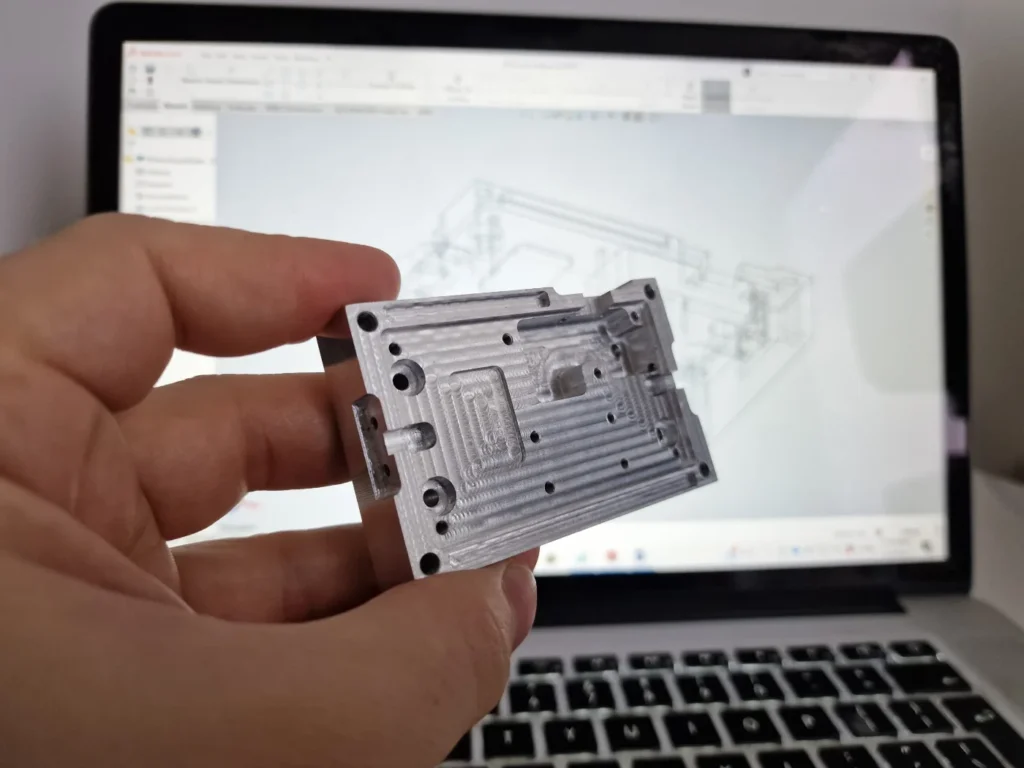
How to Design for CNC Machining: 12 DFM Rules That Cut Cost
12 practical DFM rules for CNC machined parts: tolerances, corner radii, wall thickness, stock sizes, threads, cosmetic faces and drawing datums.
12 practical DFM rules for CNC machined parts: tolerances, corner radii, wall thickness, stock sizes, threads, cosmetic faces and drawing datums.
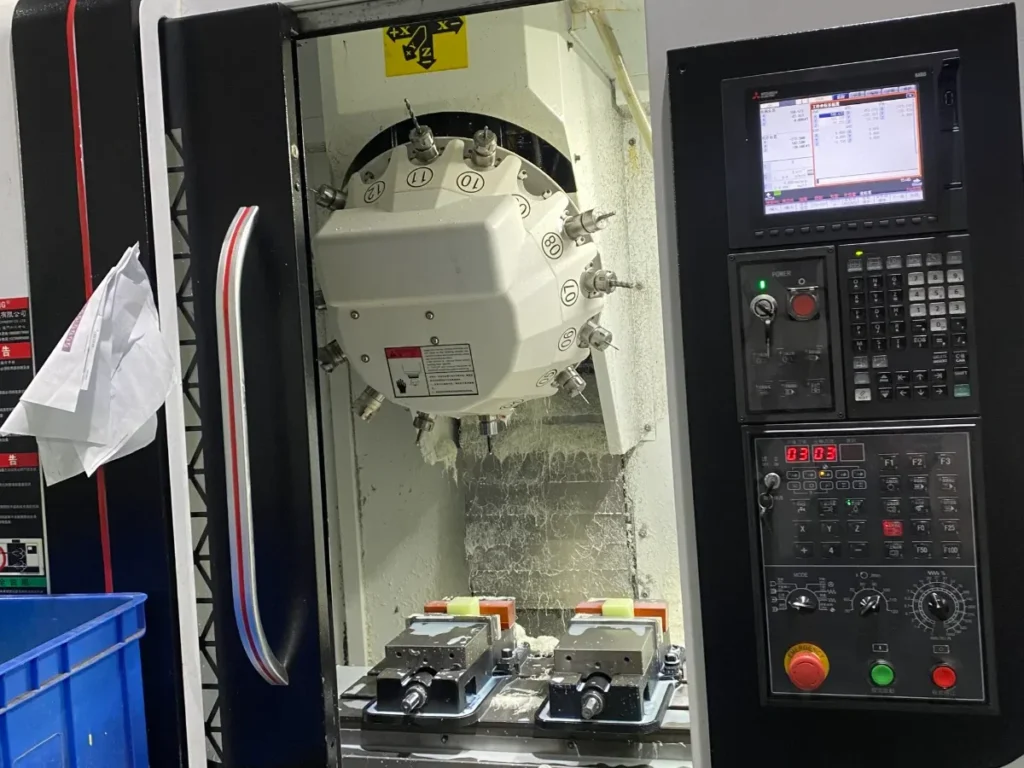
3-axis, 4-axis and 5-axis CNC compared: what each machine solves, why many “5-axis parts” are 3+2, and when 5-axis is genuinely required.
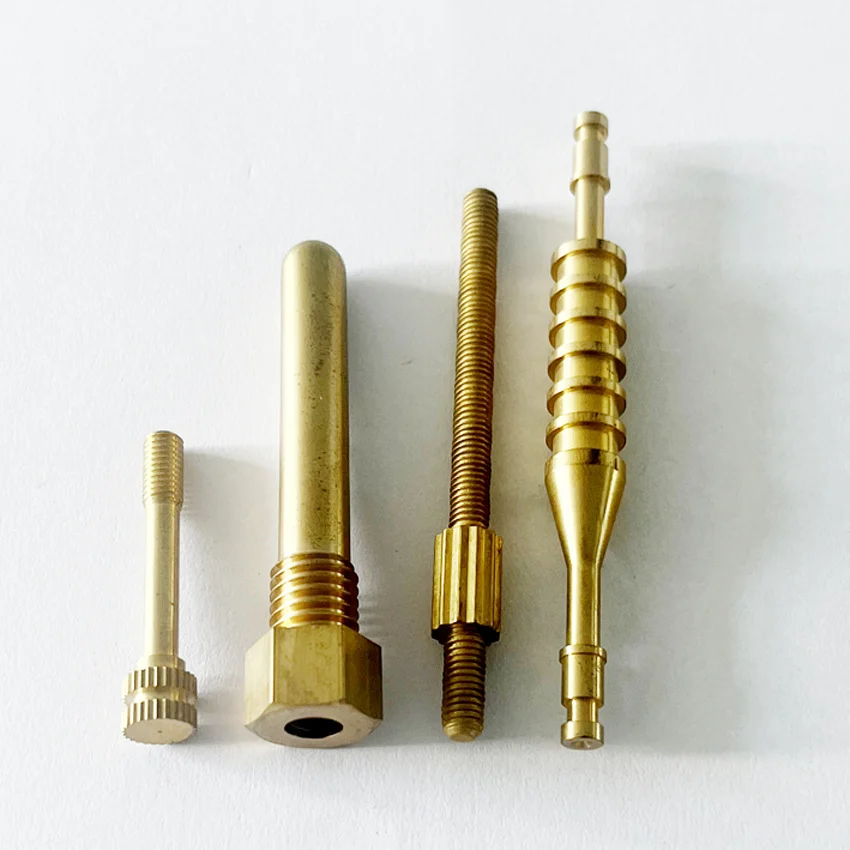
Milling vs turning for CNC parts: which process fits your geometry, why setup count drives cost, and when a part needs both. With practical examples.
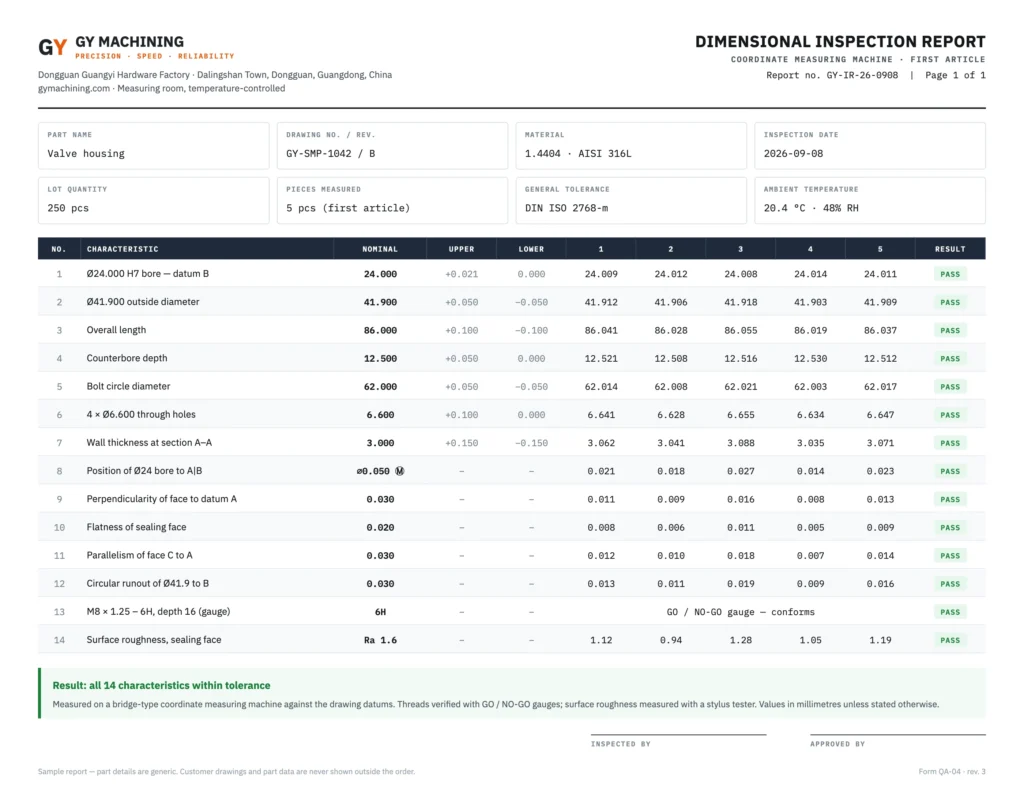
What a first article inspection report contains, how to read it in two minutes, and the questions to ask a CNC supplier before the batch is cut.
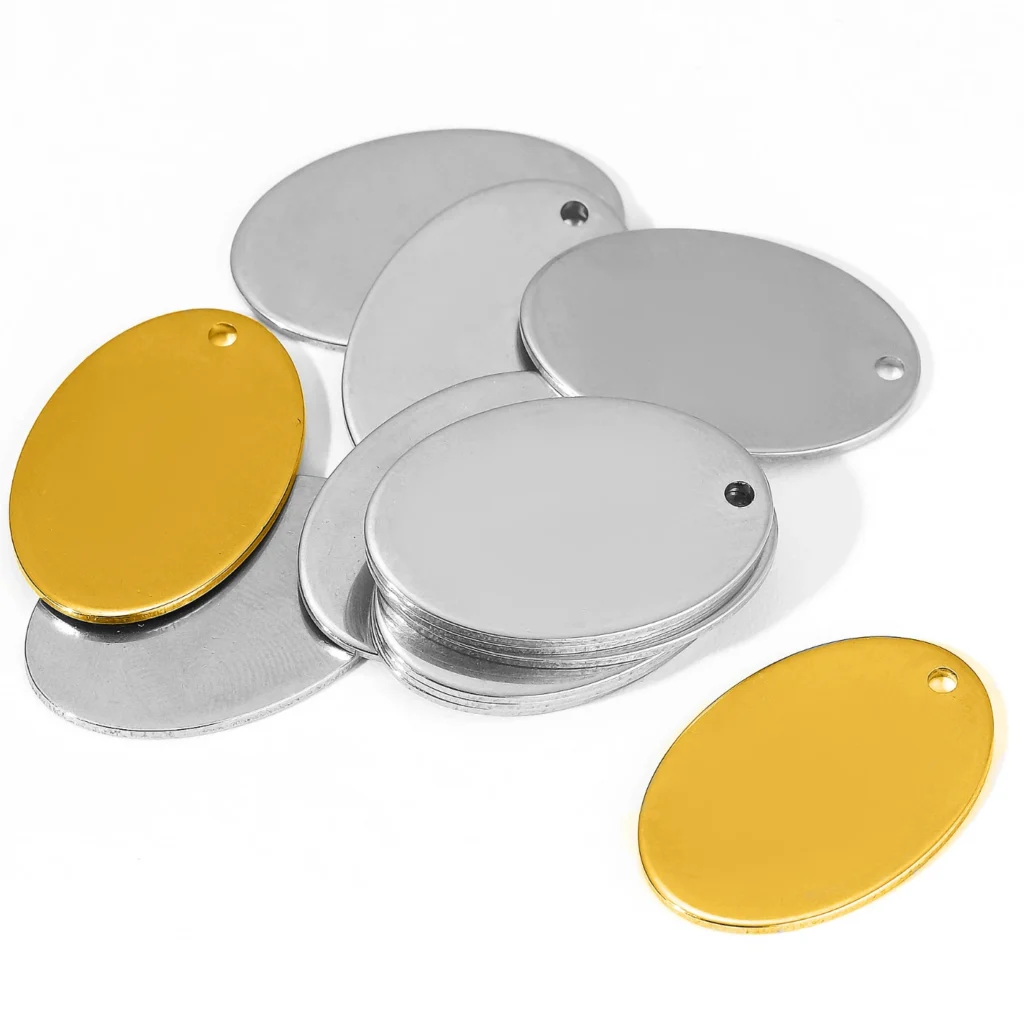
Ra and Rz explained, with a process comparison chart and practical drawing callouts for CNC machined parts.
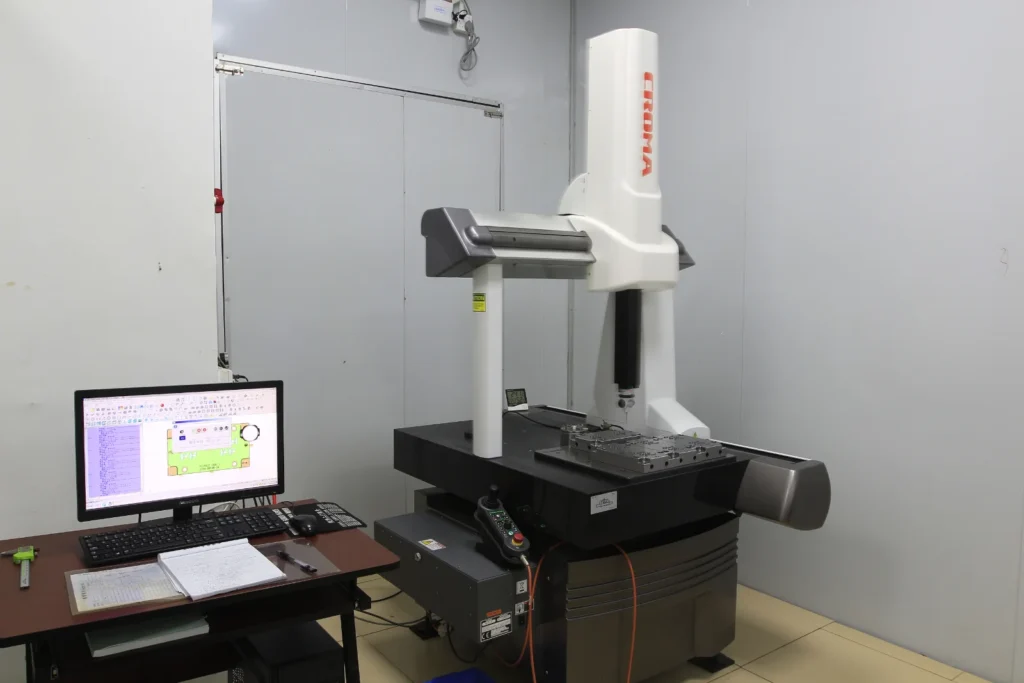
ISO 2768 and ISO 286 tolerance tables, plus the GD&T callouts that change a CNC machining route.
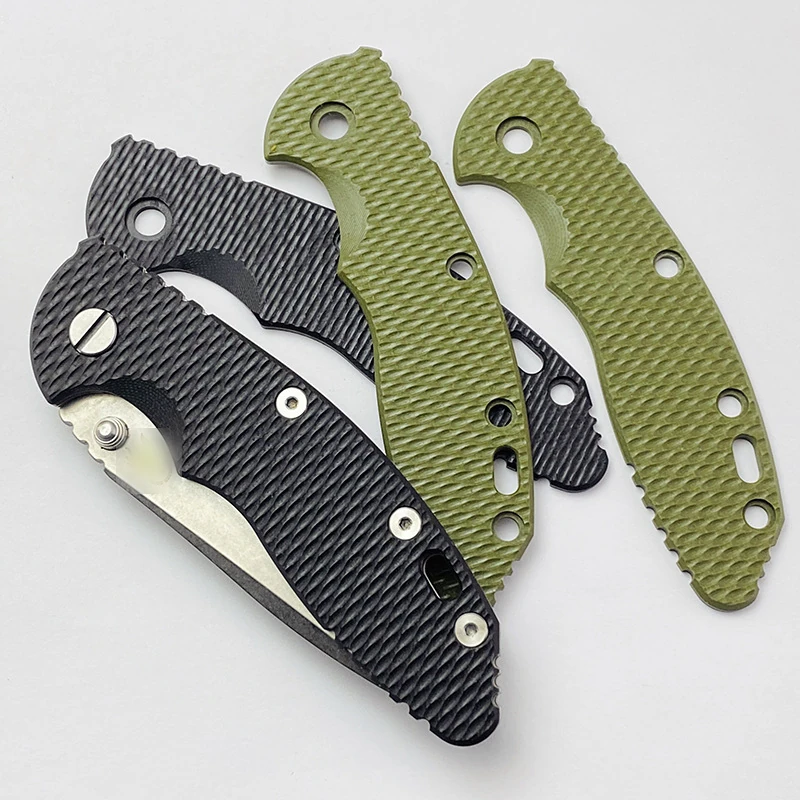
A practical guide to custom G10 knife handles: material, color, texture, fit, CNC machining, sample approval and repeat production with GY Machining.
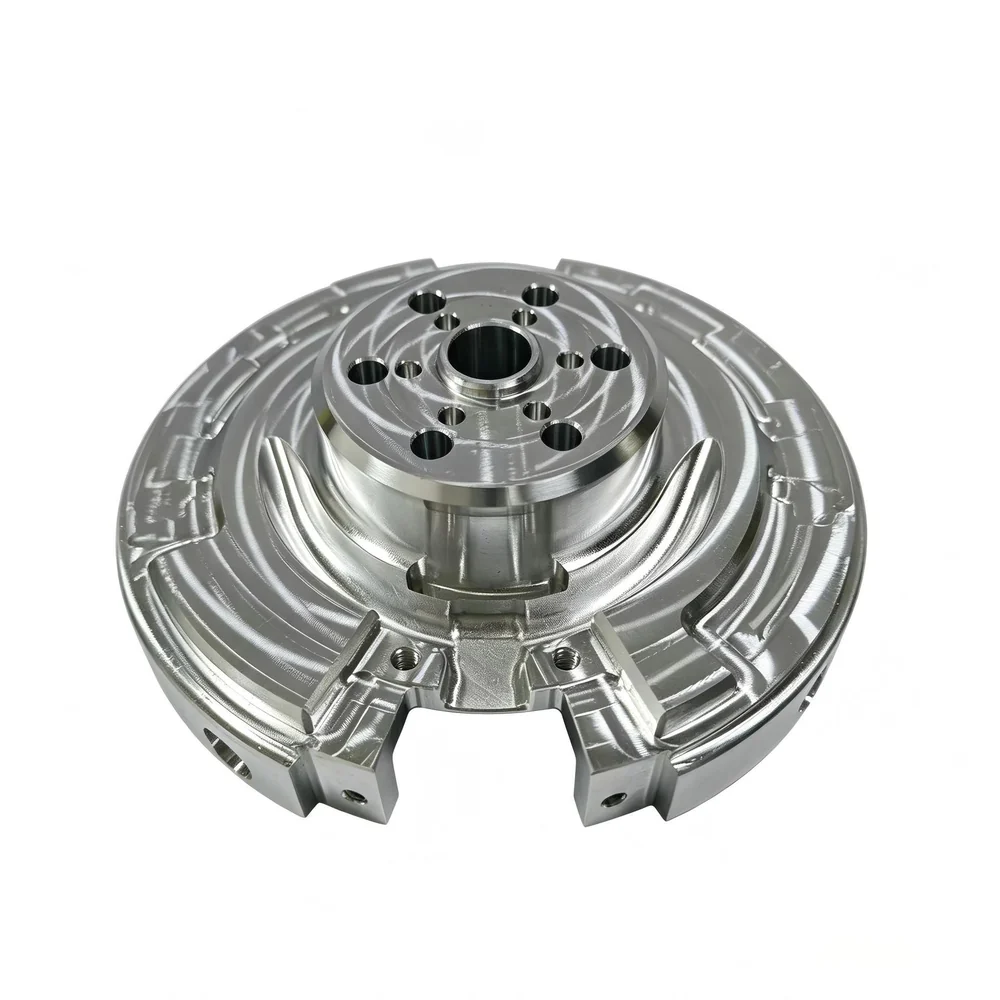
How GY Machining supports robotics teams with DFM, prototypes, fit checks, pilot batches and repeat production for custom metal and plastic components.
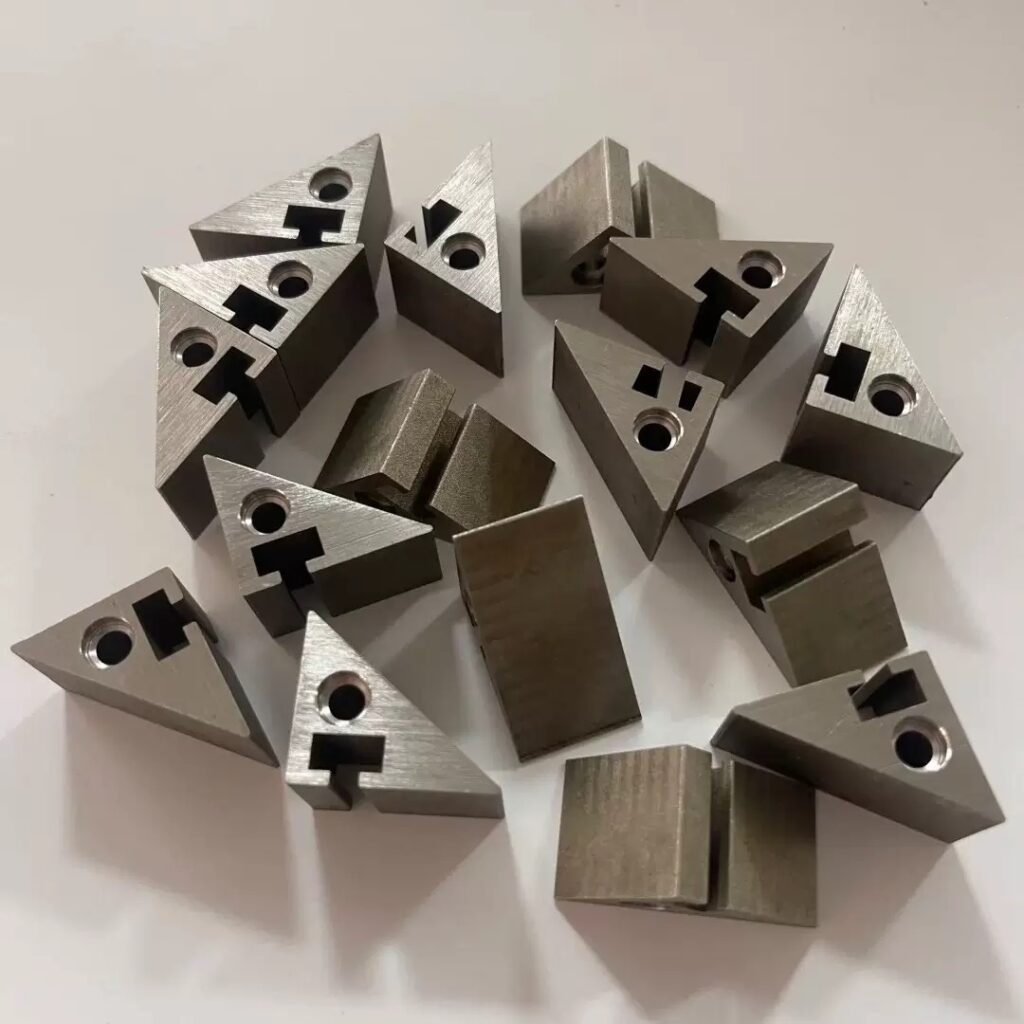
A practical guide to wire EDM and sinker EDM: through profiles, blind cavities, corner radii, tolerances, surface integrity and the design decisions that drive cost.
Thin aluminium distorts for three separate reasons, and only one of them is the cutting. What causes each, and the machining sequence that stops it.
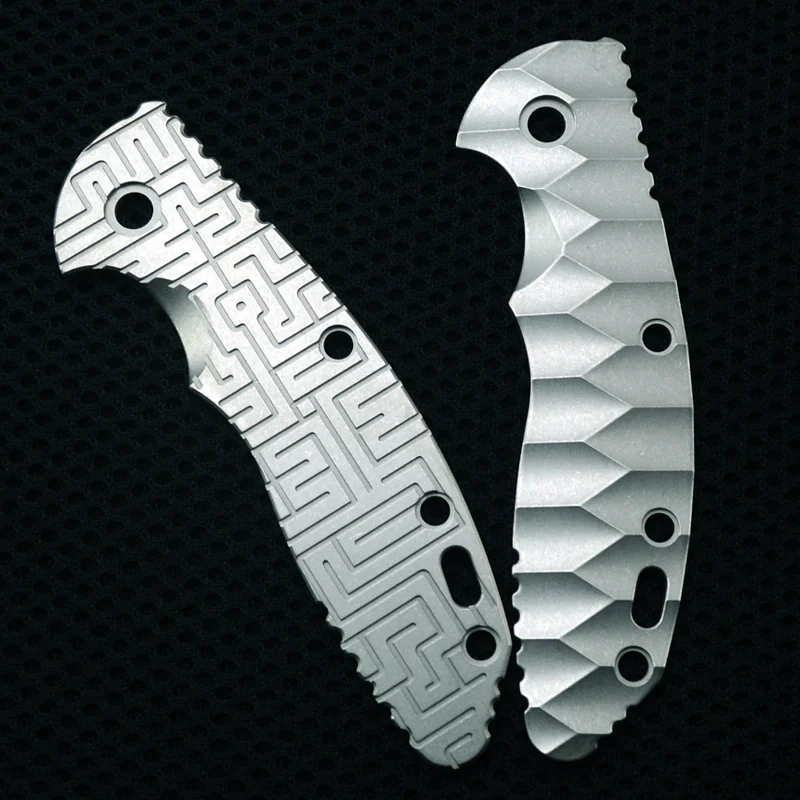
Tool marks on Ti-6Al-4V are almost never a machine problem. Why titanium marks, why stone-washing will not hide it, and the finishing parameters that fix it.
Attach a STEP file and a 2D drawing together if you can — it saves a round of questions.