
CNC Machining Copper
Copper is specified for one reason: it conducts. Electrically and thermally it beats everything else we machine, which is why bus bars, heat sinks, electrodes and RF components are made from it. It is also, for a soft metal, genuinely awkward to cut well — it smears rather than chips, and a good surface finish takes deliberate effort.
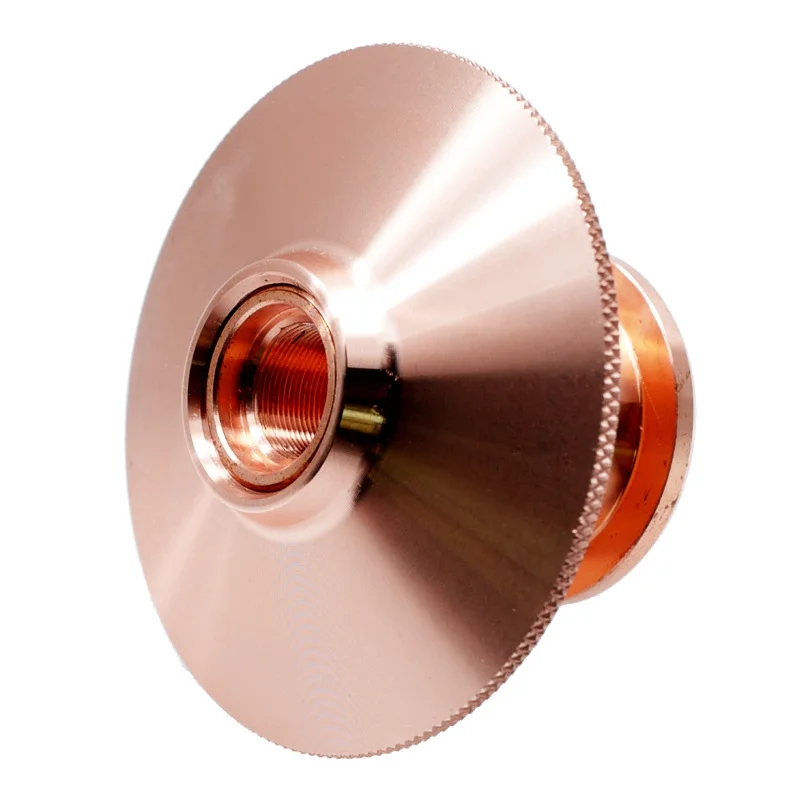
Grades we machine
C110 is the standard choice where conductivity is the point. The alloyed grades trade some conductivity for strength or machinability.
| Grade | Best for | Notes |
|---|---|---|
| C110 ETP copper | Bus bars, heat sinks, electrical terminals, EDM electrodes | The standard high-conductivity copper. Soft and gummy to machine |
| C101 oxygen-free copper | High-vacuum, RF and cryogenic components | Very high purity and conductivity; used where oxygen content matters |
| C145 tellurium copper | Parts that need conductivity and must be machined in quantity | Far better machinability than C110 at a small cost in conductivity — usually the right compromise |
| Beryllium copper | Springs, contacts, non-sparking tools | High strength and good conductivity; requires careful handling and heat treatment |
Soft does not mean easy
Copper is ductile and does not want to break into chips. It forms long stringy swarf that wraps around the tool, and it smears under a dull edge instead of shearing cleanly, which leaves a torn surface rather than a machined one. The fixes are sharp uncoated tooling with high positive rake, real chip loads rather than light passes, and plenty of coolant.
If your part needs conductivity and quantity, tellurium copper (C145) is worth knowing about: it machines several times more easily than C110 for a small loss in conductivity. On a production run that trade is usually worth making, and it is the kind of change we would raise at quotation.
Copper also oxidises quickly. A bright machined surface will dull within days in normal air, so parts that must arrive bright need lacquering, plating or sealed packing.
| At a glance | |
|---|---|
| Typical tolerance | ±0.002 mm (±0.0001 in), harder to hold on thin sections because the material is soft |
| Machinability | Poor for C110, good for C145 tellurium copper |
| Conductivity | The highest of any material here, electrically and thermally |
| Standard finishes | Nickel or tin plating, clear lacquer, tumbling |
| Certificates | EN 10204 3.1 on request |
Four notes on copper parts
Consider tellurium copper for volume
If the drawing says C110 and the part is going into production, ask whether C145 is acceptable. The conductivity difference is small; the machining difference is not.
Plan for oxidation
Bare copper dulls in days. Decide at the order whether the part is plated, lacquered or simply packed sealed — it is not something to sort out after delivery.
Keep threads and thin walls generous
Copper is soft: fine threads strip more easily and thin walls deflect. A slightly heavier section costs almost nothing and removes a failure mode.
Tell us where the current actually flows
On a copper part the finish is chosen for conductivity, not for looks, and the two answers are usually different. Mark the faces that carry current or get soldered and we will keep the coating off them or pick one that conducts.
Finishes that work on copper
Copper is normally plated or lacquered, both to stop oxidation and to protect the conductive surface.
On copper the finish is an electrical decision, not a cosmetic one
Tin where the part has to be soldered. Silver where contact resistance matters. Nickel as a barrier, usually under something else. A clear lacquer looks right and insulates, so it does not belong on a face that carries current. Mark the conducting faces on the drawing and we will keep the coating off them or pick one that conducts.
| Finish | What it does | Worth knowing |
|---|---|---|
| Tin plating | Solderable, and stops the copper oxidising | The usual choice on busbars and terminals that get soldered or bolted |
| Silver plating | Lowest contact resistance of the platings | Tarnishes in air, but the tarnish stays conductive |
| Nickel plating | Hard barrier layer | Often an underlayer. Raises contact resistance, so not for a contact face on its own |
| Clear lacquer | Holds the bright copper colour | Insulating. Decorative parts only |
| Anti-tarnish passivation | Slows the oxide without adding a coating | Where a plating thickness would spoil a fit or a contact |
| Buff polishing | Bright finish | Copper is soft — polished parts need separating in the box or they mark each other |
| Tumbled | Deburrs and evens the edges | Rounds sharp edges |
Plating and passivation are done at partner plants we have used for years. The parts come back here and are checked before they ship.
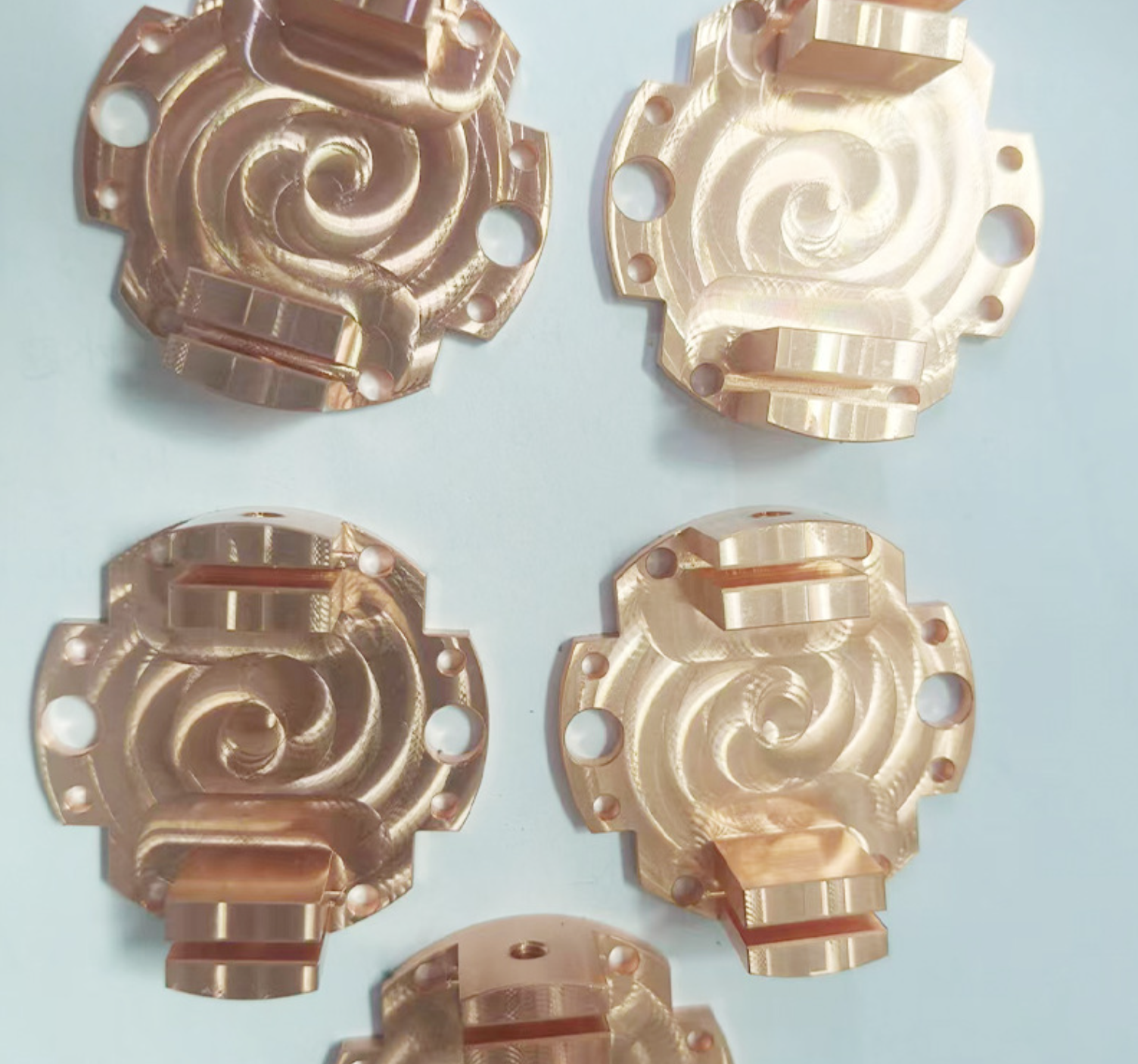
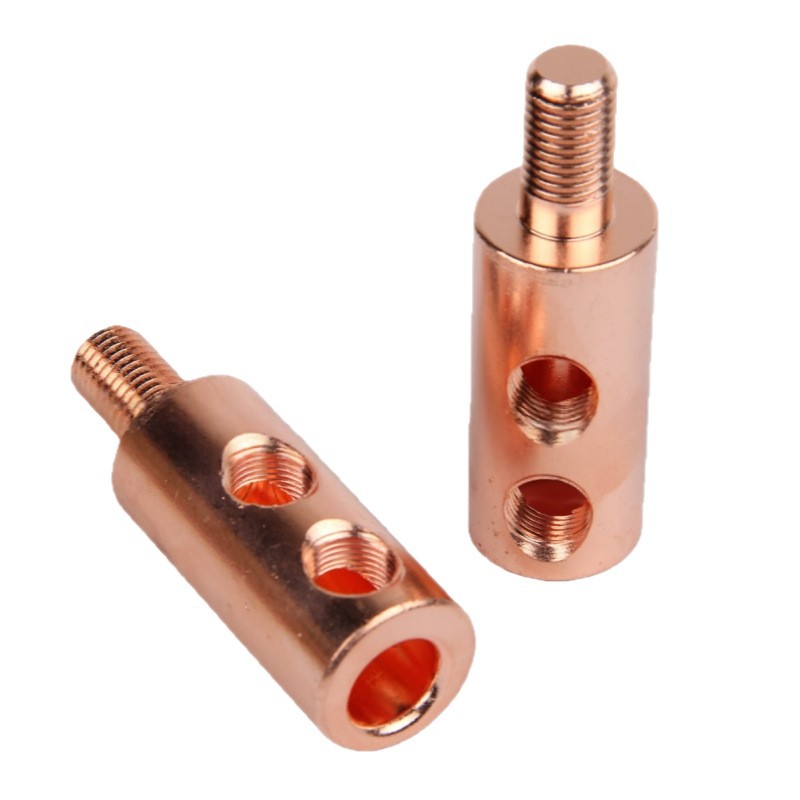
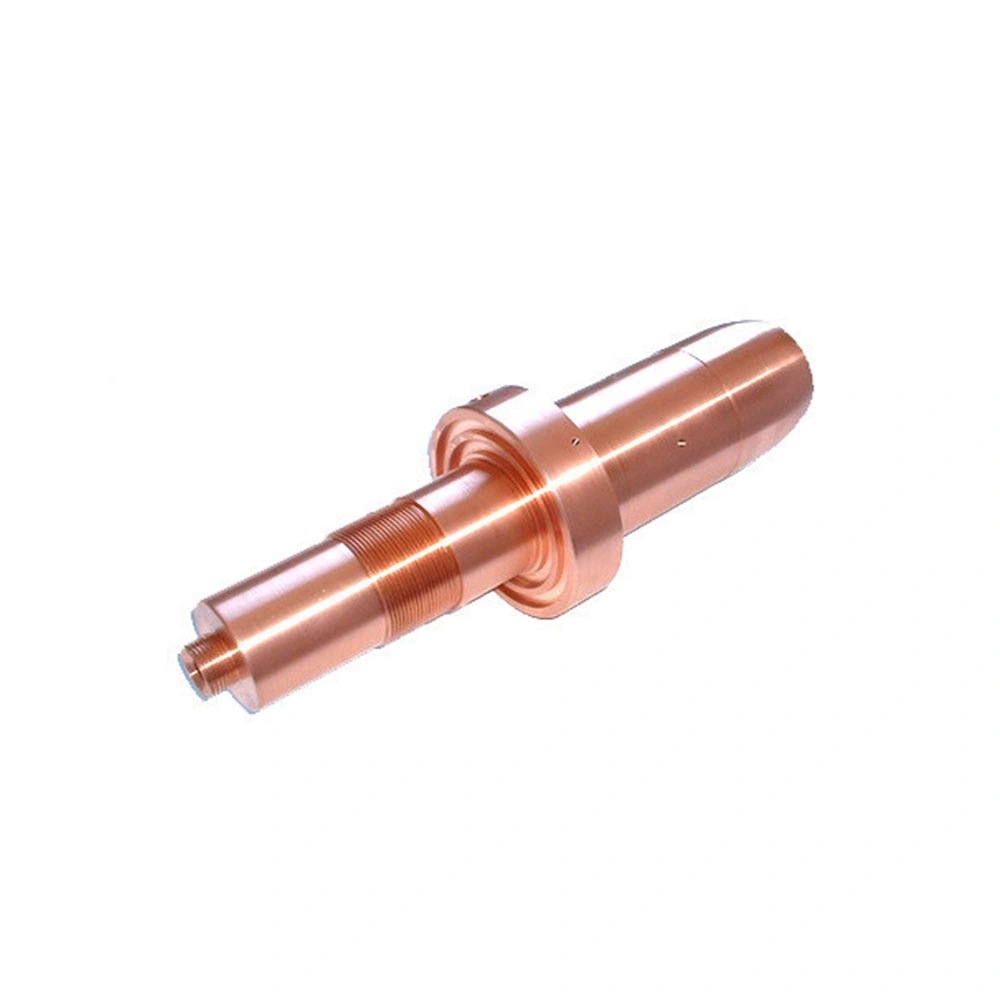
CNC machined copper parts
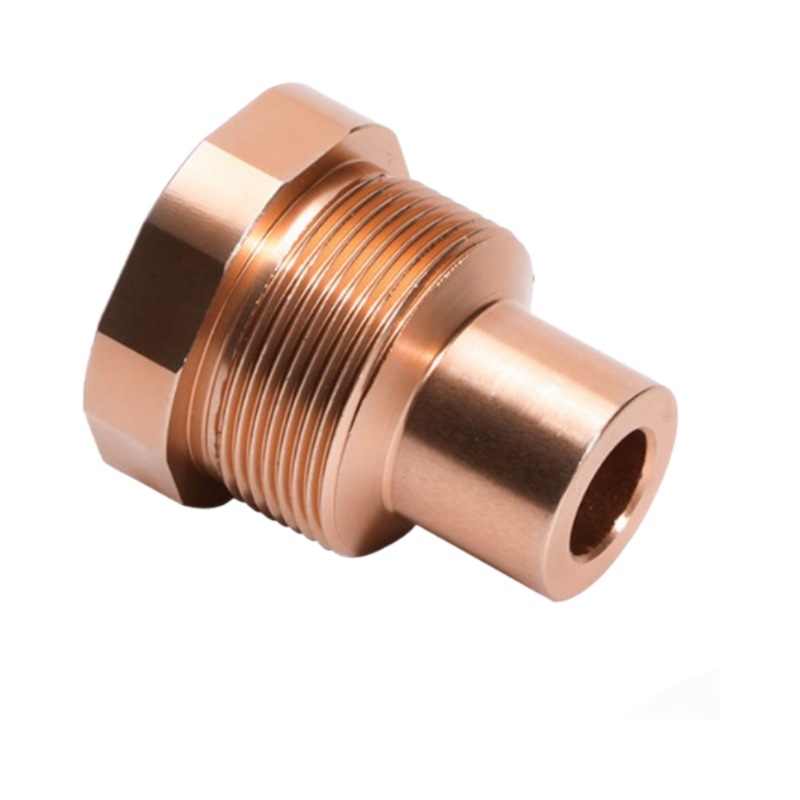
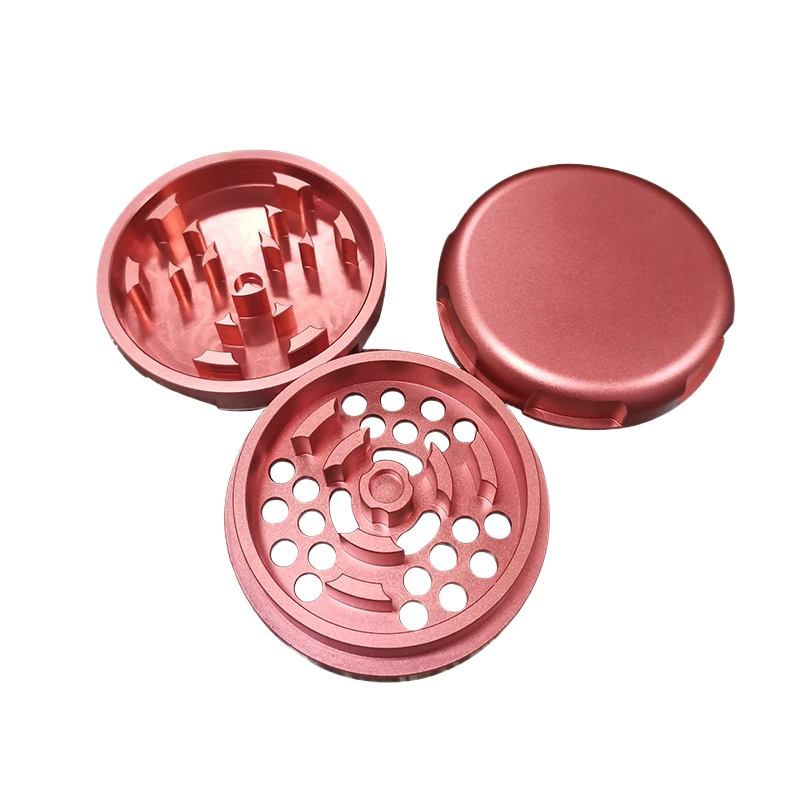
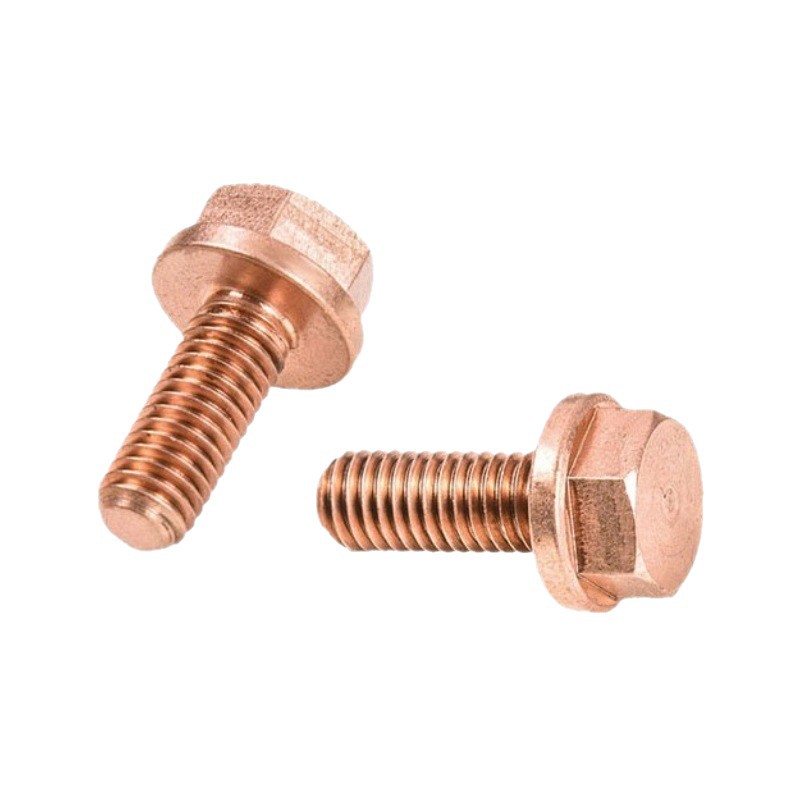
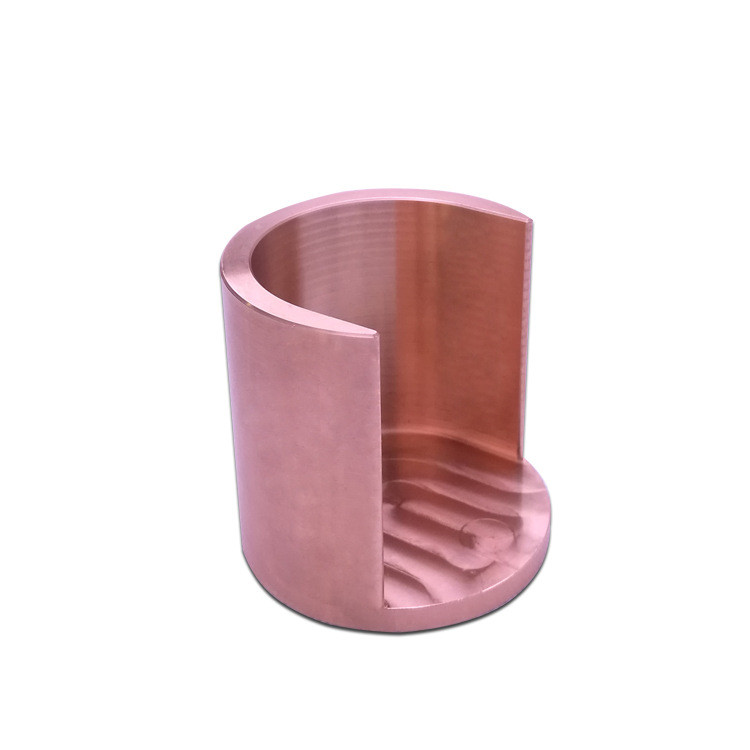
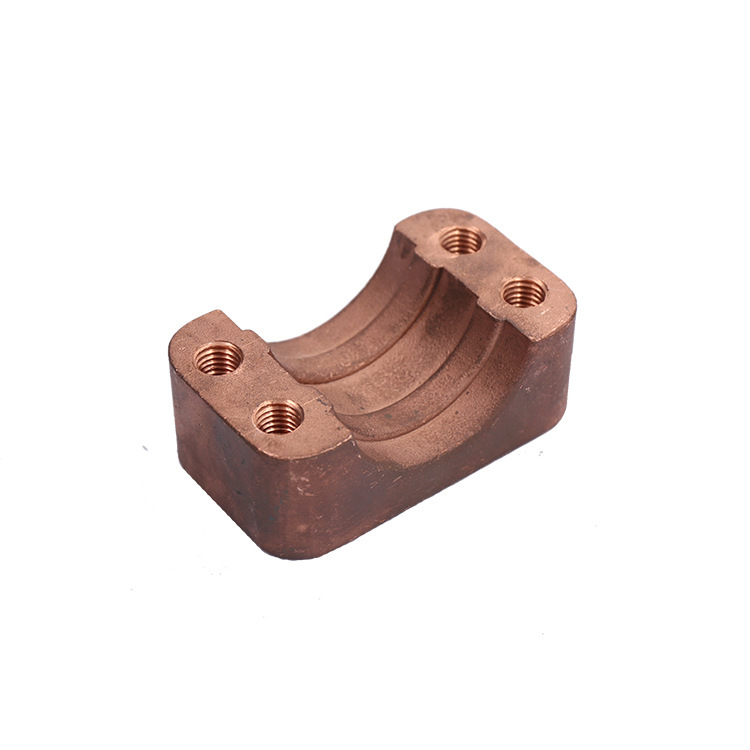
Terminals, electrodes, adapters, studs and clamp blocks — machined from solid copper, bronze and brass bar in Dongguan. Every part on this page came off our own machines.
Ready for a quote?
Send the drawing — price and lead time within 16 hours. STEP, IGES, X_T, DWG, DXF or PDF.
No minimum order.