
Wire & Sinker EDM Machining
Six sinker EDM machines in our own shop, and wire EDM — slow, medium and fast wire — at a partner plant we have worked with for years. Hardened tool steel, sharp internal corners, blind cavities and the features a cutter cannot reach. Electrodes made in-house, every first article measured on our CMM before the run continues.
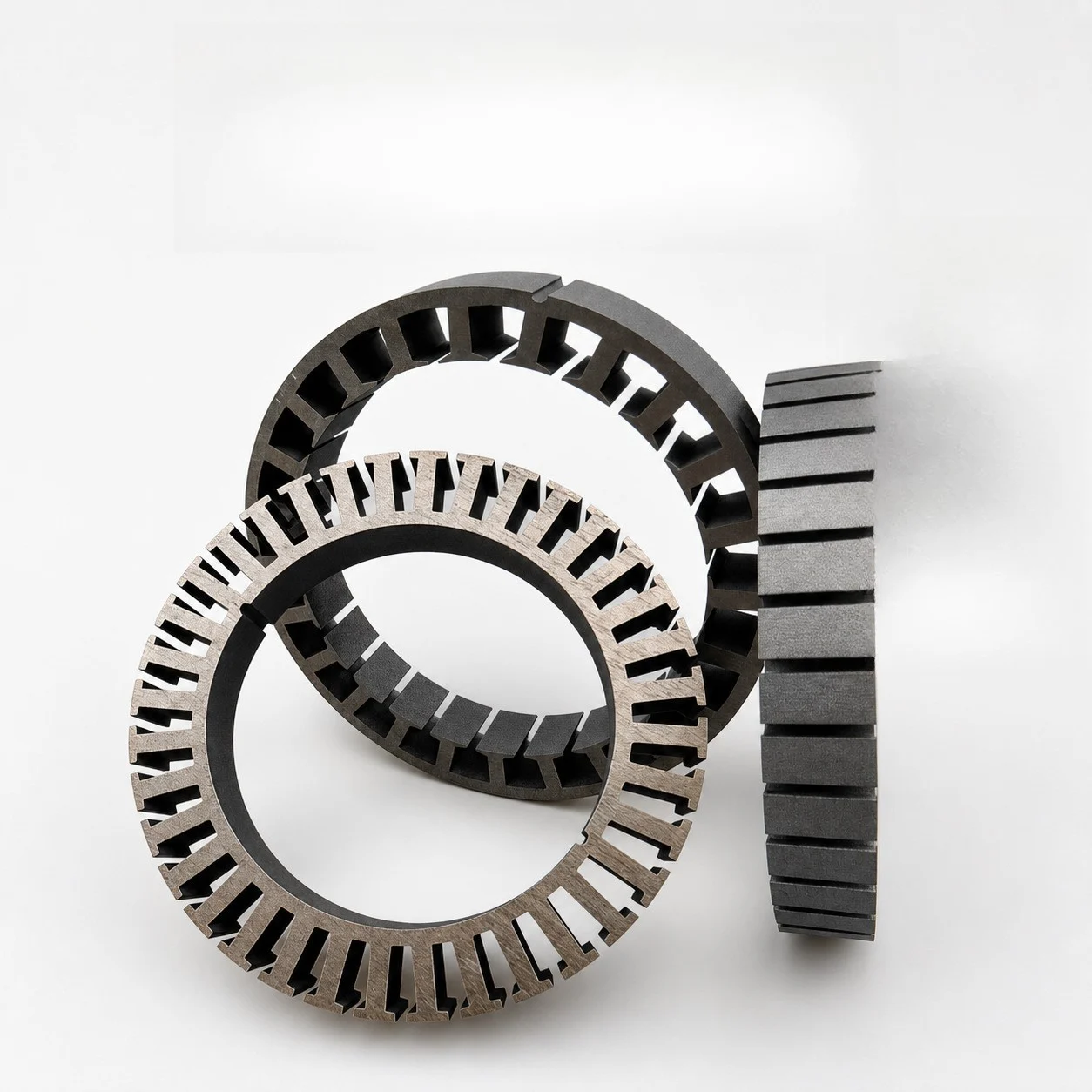
Through the part, or into it
The rule is simple. If the feature goes all the way through the part, it is wire EDM. If it has a floor — a pocket, a cavity, a deep rib — it is sinker EDM. You do not need to decide: send the drawing and our engineer picks the process. This is how the two compare.
| Wire EDM | Sinker EDM | |
|---|---|---|
| How it works | A thin wire erodes a through-profile with a spark. No cutting force, no tool pressure. | A shaped copper or graphite electrode is sunk into the part under dielectric fluid. The cavity is the negative of the electrode. |
| Best for | Punches, dies, gears, thin profiles, sharp internal corners in plate, hardened parts | Blind cavities, square internal corners, deep ribs and slots, mould cores, engraving in hardened steel |
| Machines | 7 at our partner plant: 2 slow-wire, 2 medium-wire, 3 fast-wire | 6, in our own shop |
| Max workpiece | 400 × 300 × 200 mm | 500 × 350 × 250 mm |
| Achievable tolerance | ±0.002 mm on slow-wire with skim cuts; medium and fast wire hold less — see the wire-type table below | ±0.002 mm |
| Internal corner | Radius from 0.1 mm | Square — no radius at all |
| Surface finish | Ra 0.4 – 3.2 µm depending on wire type and number of cuts | Ra 0.4 – 3.2 µm, set to the drawing |
| Depth / taper | Taper cutting up to 15° | Cavities up to 150 mm deep |
| Consumable | Brass wire on slow-wire machines; molybdenum wire on medium and fast wire | Copper and graphite electrodes, designed and milled in-house |
| Material hardness | No limit — any conductive material, cut or sunk after heat treatment so nothing moves afterwards | |
Cutting with a wire, not a cutter
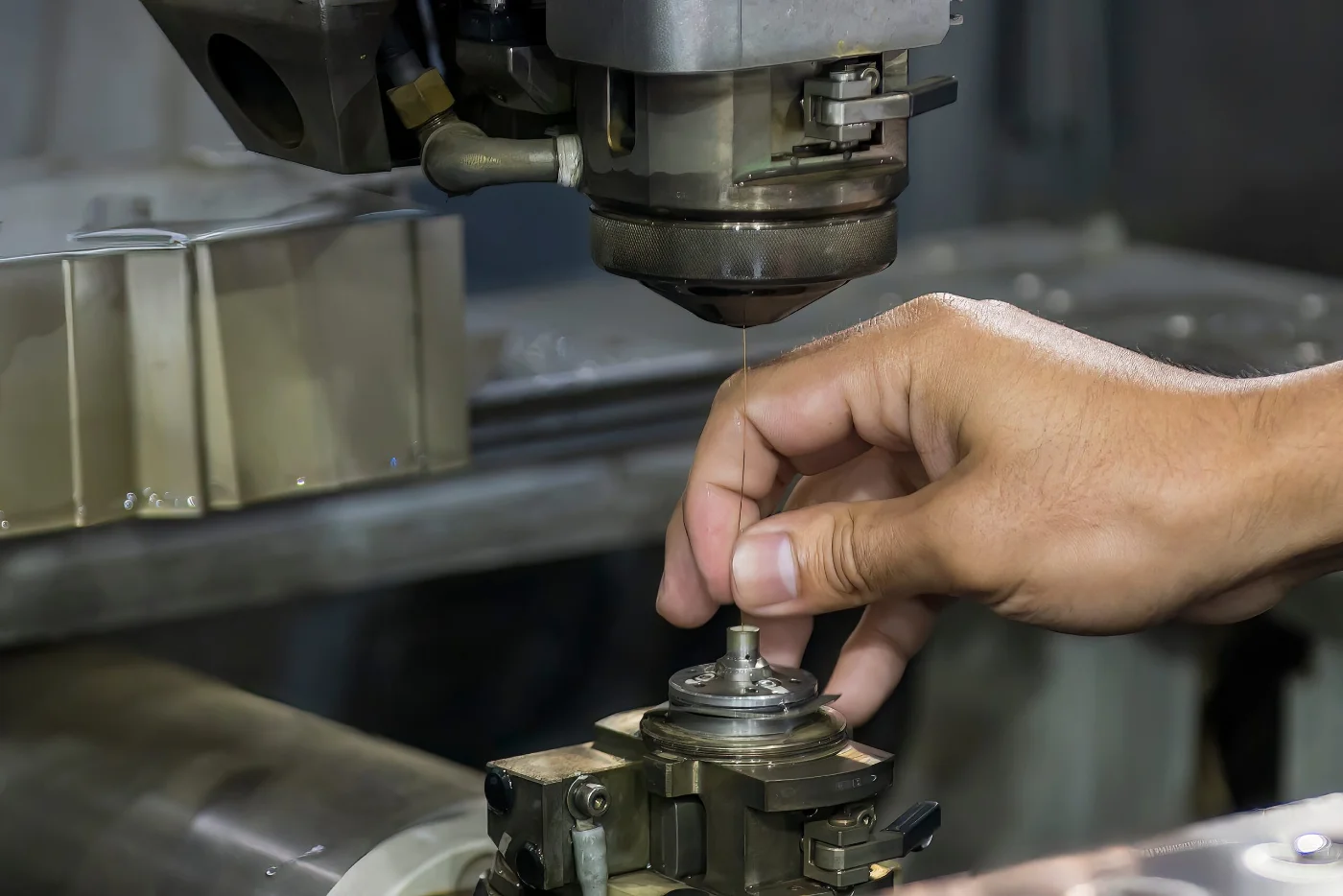
Wire EDM erodes material with a thin wire and an electrical spark, so there is no cutting force and no tool pressure on the part. Hardness does not matter — tool steel at 60 HRC cuts the same way as annealed stock. That makes it the right process for parts that have already been heat treated, for internal corners smaller than any end mill, and for thin, delicate profiles that would deflect under a milling cutter.
Wire EDM is not done under our roof. It is done at a partner plant we have used for years, on seven machines across the three wire-EDM types. We program, fixture and inspect; they cut. You deal with one supplier and one invoice, and the finished part is measured on our CMM before it ships.
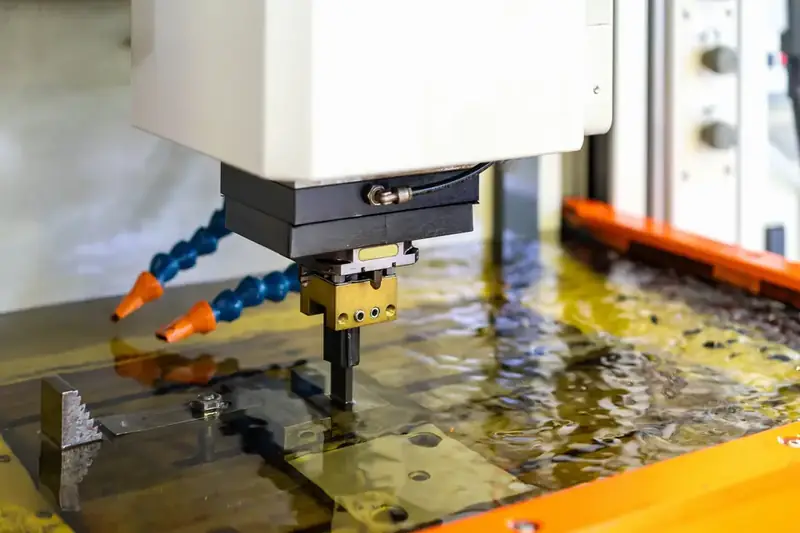
Three kinds of wire EDM — and why the price differs
“Wire EDM” covers three different machine types. Anyone who buys wire-cut parts should know which one is quoting, because the wire, the number of cuts and the achievable accuracy are not the same — and neither is the price.
| Slow-wire EDM | Medium-wire EDM | Fast-wire EDM | |
|---|---|---|---|
| Machines at our partner | 2 | 2 | 3 |
| Wire | Brass wire, fed once and discarded | Molybdenum wire, reused | Molybdenum wire, reused |
| Cuts | Main cut plus several skim cuts | Main cut plus one to three skim cuts | Single cut |
| Accuracy and finish | Finest — this is where the ±0.002 mm figure comes from | Between the two | Coarsest; visible cut lines |
| Cost per part | Highest | Middle | Lowest |
| We use it for | Punches, dies, gauges, tight fits, small radii, fine finish | General precision parts, fixtures, most production work | Blanks, roughing before finishing, non-critical profiles, cost-driven jobs |
Tell us the tolerance and the finish you actually need. We choose the wire type from that, and it is often the single biggest lever on the price of a wire-cut part.
What wire EDM is used for
Hardened punches and dies
Tool steel, D2, SKD11 and carbide cut after heat treatment, so nothing moves afterwards.
Sharp internal corners
Square pockets, keyways and slots with a corner radius no end mill can produce.
Thin profiles and lamination stacks
Fine features in thin plate that would deflect or burr under a cutter.
Gears, ratchets and cams
Profiles cut straight from plate, with the tooth form held to the drawing.
Extrusion and blanking dies
Land and relief cut in one setup, with taper where the drawing calls for it.
Rework and salvage
Opening a bore, adding a slot or removing a broken tap in a finished part.
Burning a shape, not cutting it
Sinker EDM — also called die sinking or ram EDM — pushes a shaped copper or graphite electrode into the workpiece under a dielectric fluid. The spark erodes the exact negative of the electrode. Because nothing rotates and nothing touches, we can produce a square internal corner with no radius at all, sink a cavity into fully hardened steel, and reach into places where no cutter has clearance. Electrodes are designed and milled here, on the same machining centres that cut your part, so lead time does not depend on anyone else.
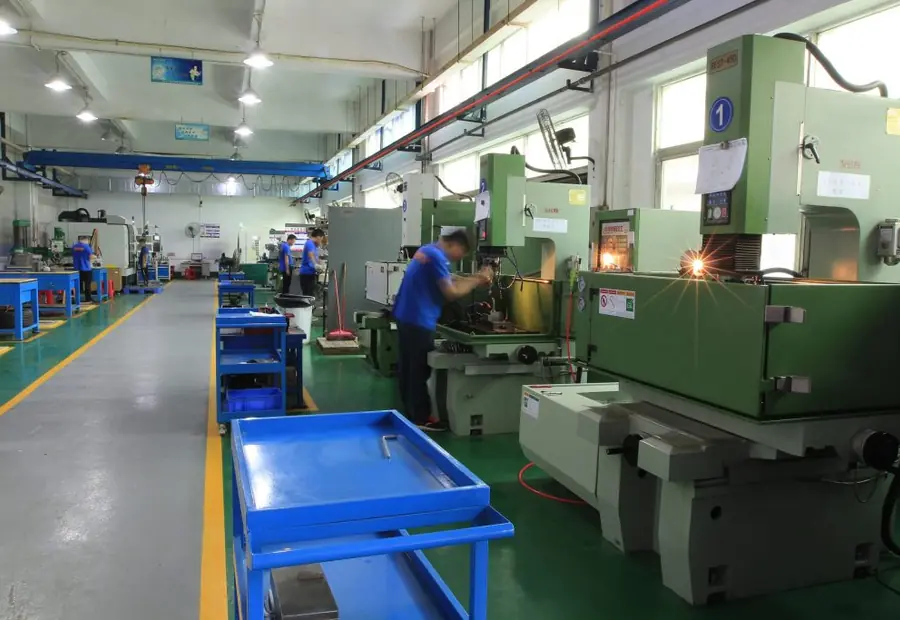
What customers use our sinker EDM for
Blind cavities
Pockets with a closed bottom, where a wire has no way in and a cutter cannot reach the corner.
Square internal corners
Keyways, hex and square broach forms, and splines with no corner radius.
Injection mould cores and cavities
Detail sunk into hardened tool steel after heat treatment.
Deep ribs and slots
Narrow features deeper than any end mill of that diameter can cut without chatter.
Text, logos and serial marks
Engraved into hardened surfaces where laser marking will not survive the process.
Broken tap and stud removal
Eroding out a seized tool without damaging the thread around it.
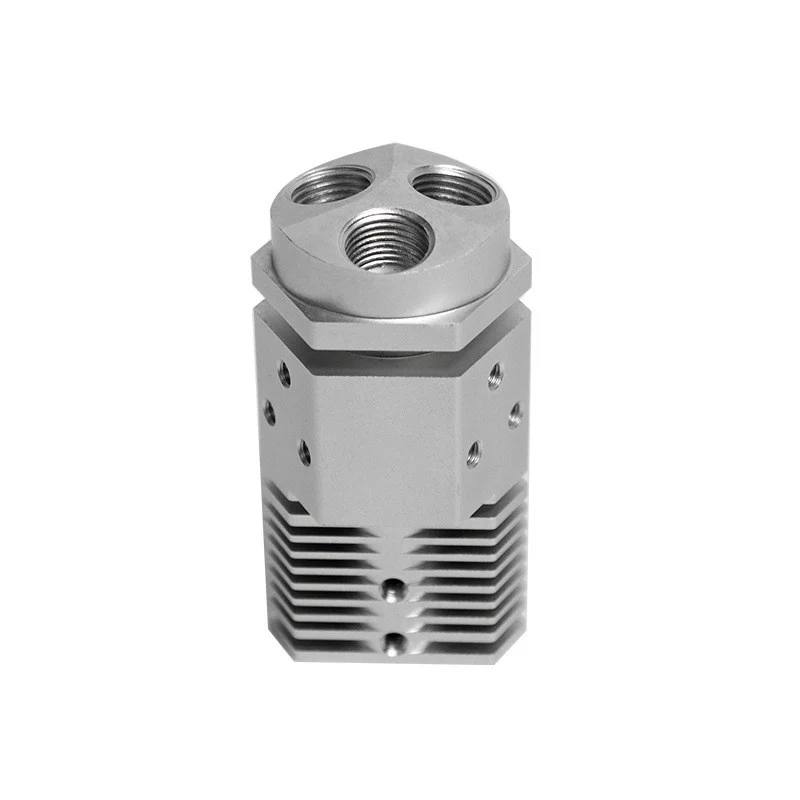
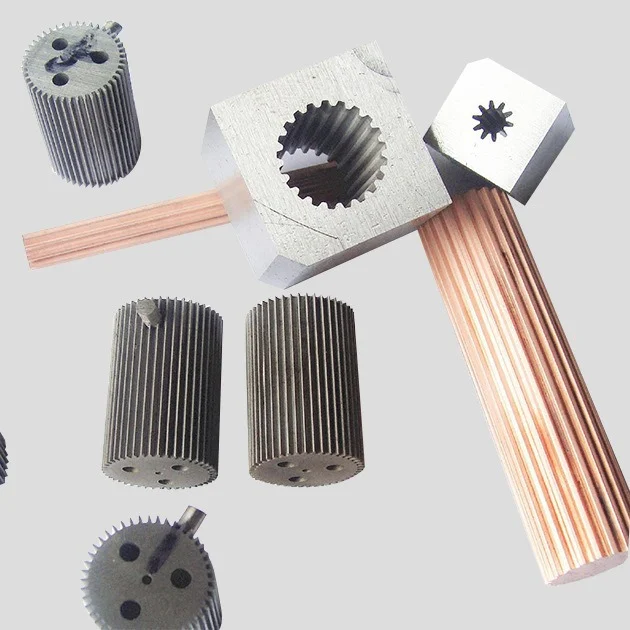
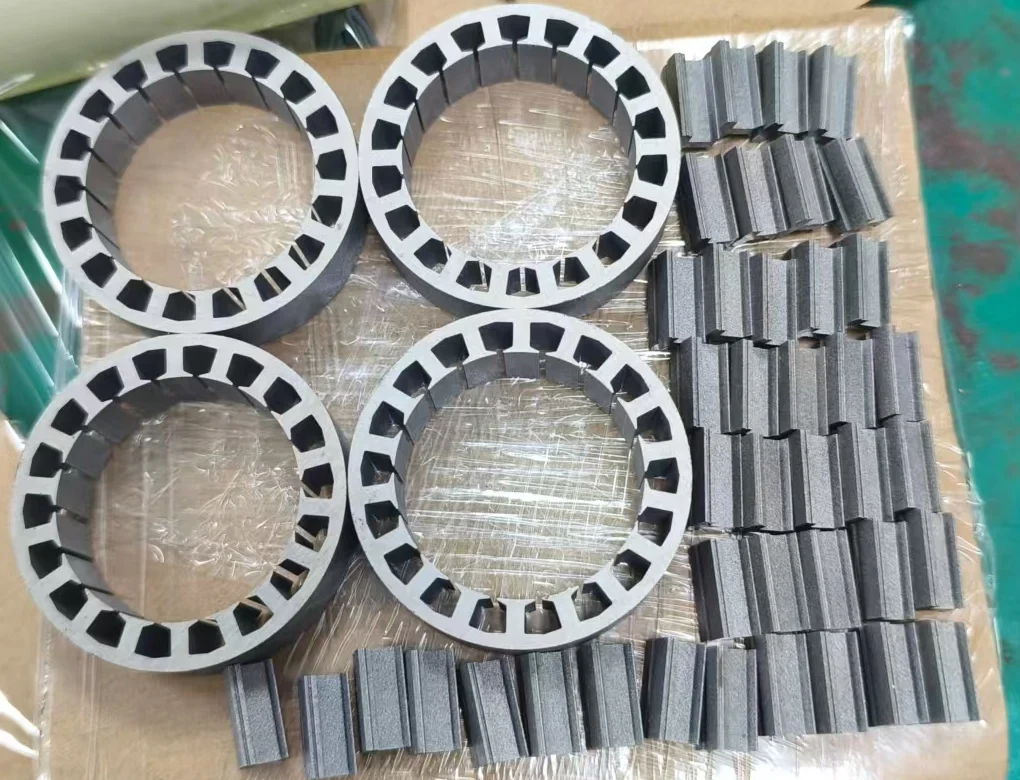
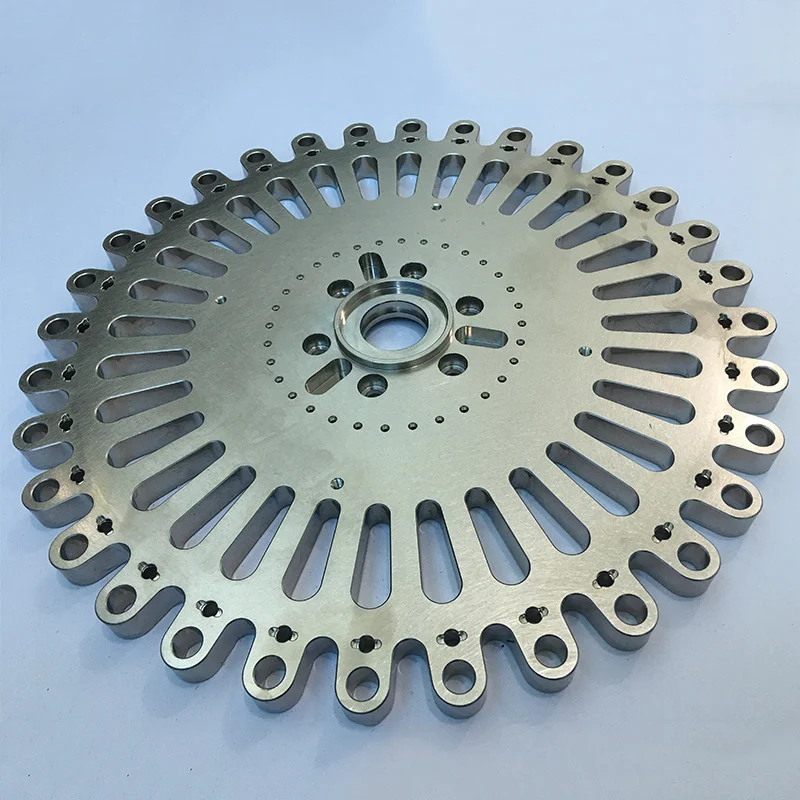
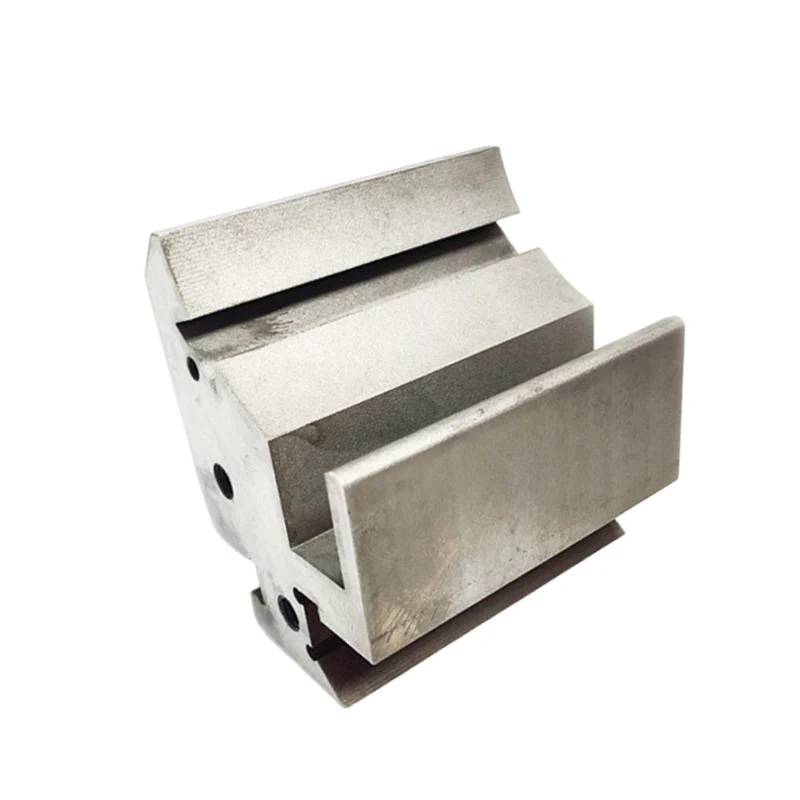
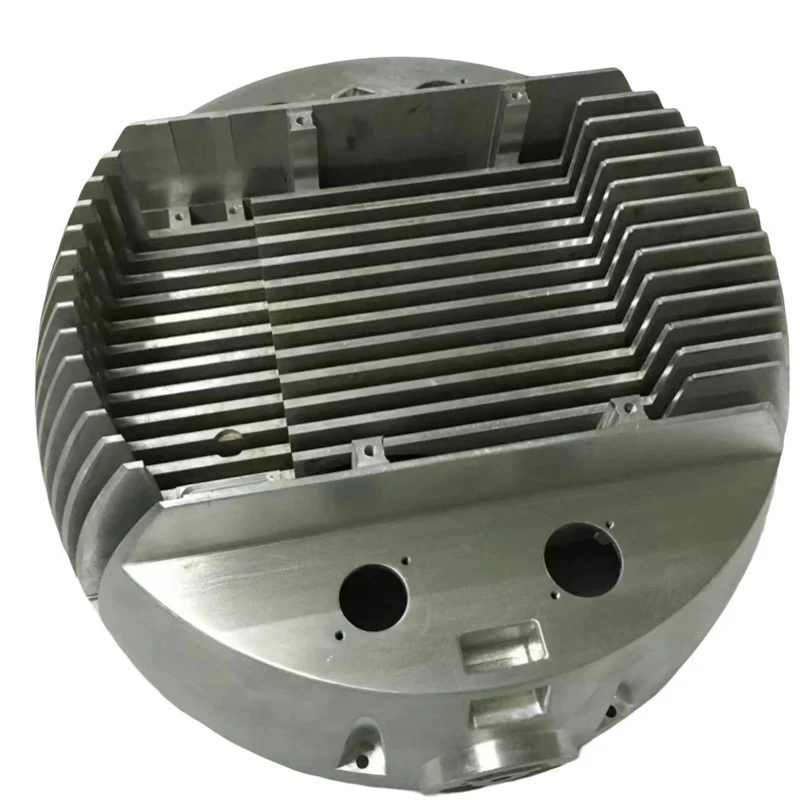
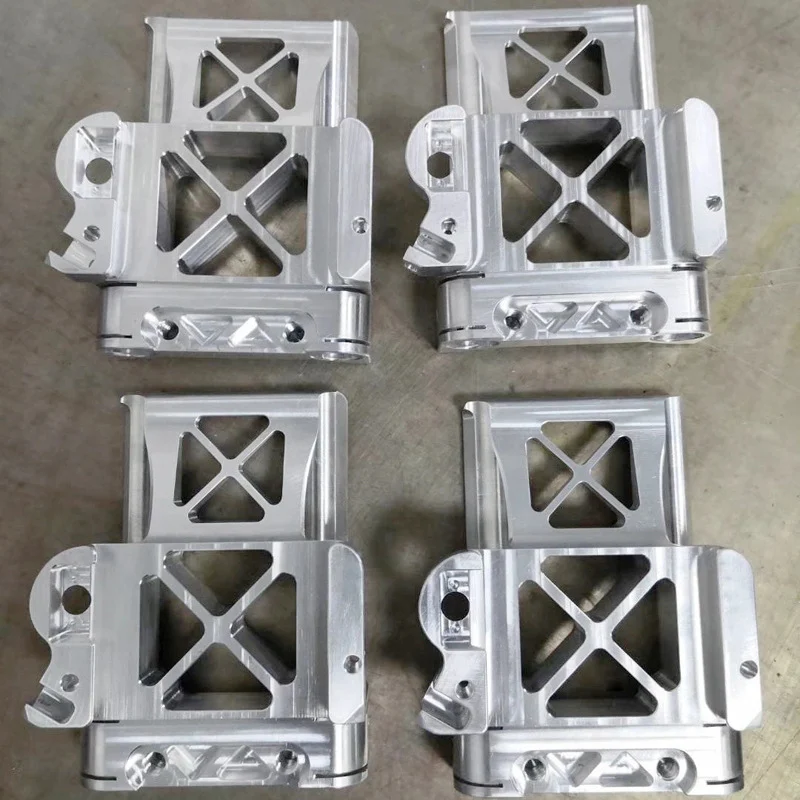
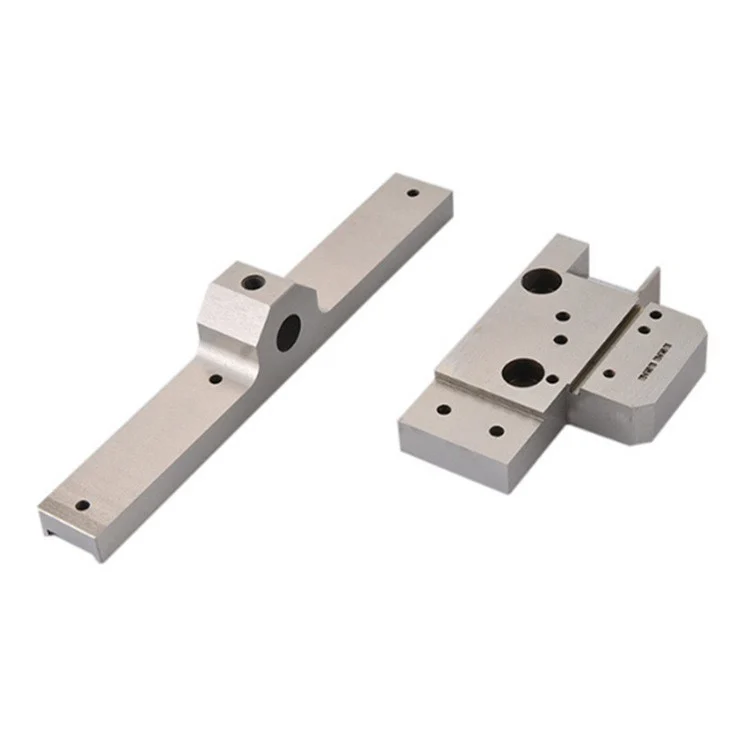
Parts that went through EDM
Sample parts from our own floor — never a customer’s job.
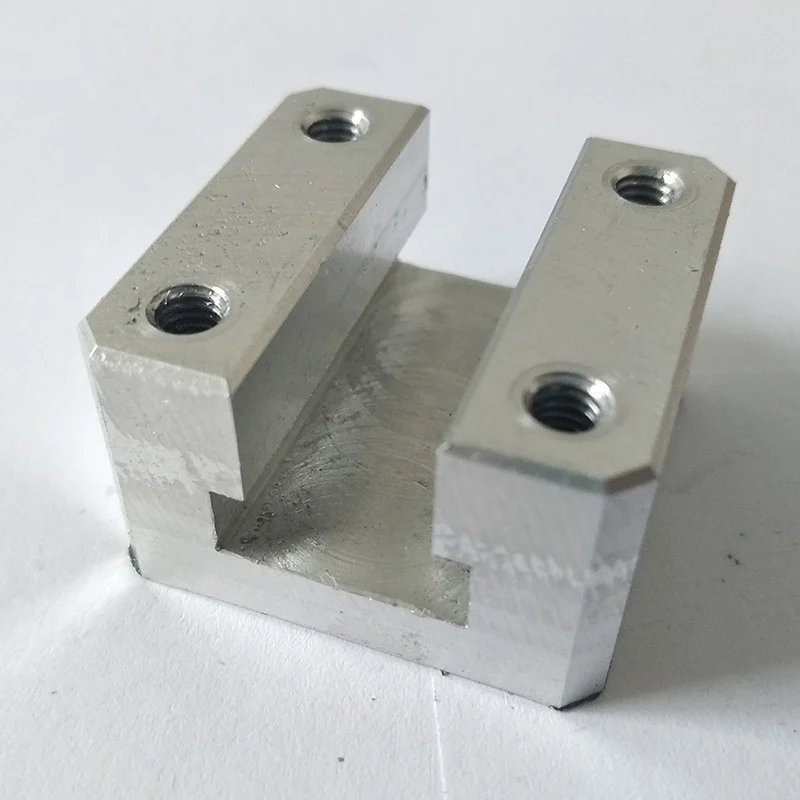
Materials we cut and sink
Any electrically conductive material, hardened or annealed. Tool steels are the everyday work; stainless, titanium, copper alloys and carbide are routine.
Before you send the drawing
Is wire EDM done in your own shop?
Wire EDM or sinker EDM — which do I need?
How tight a tolerance can wire EDM actually hold?
Can you cut a part that is already hardened?
Do I need a start hole for wire EDM?
Do I need to supply the electrode for sinker EDM?
How square can an internal corner really be?
What about the recast layer and surface finish?
Ready for a quote?
Send the drawing — price and lead time within 16 hours. STEP, IGES, X_T, DWG, DXF or PDF.
No minimum order.