
CNC Machining for Medical Device Components
Instrument housings, manifold blocks, fixtures and PEEK or POM components, with a dimensional report on every batch. We are not ISO 13485 certified and we tell you before you ask.
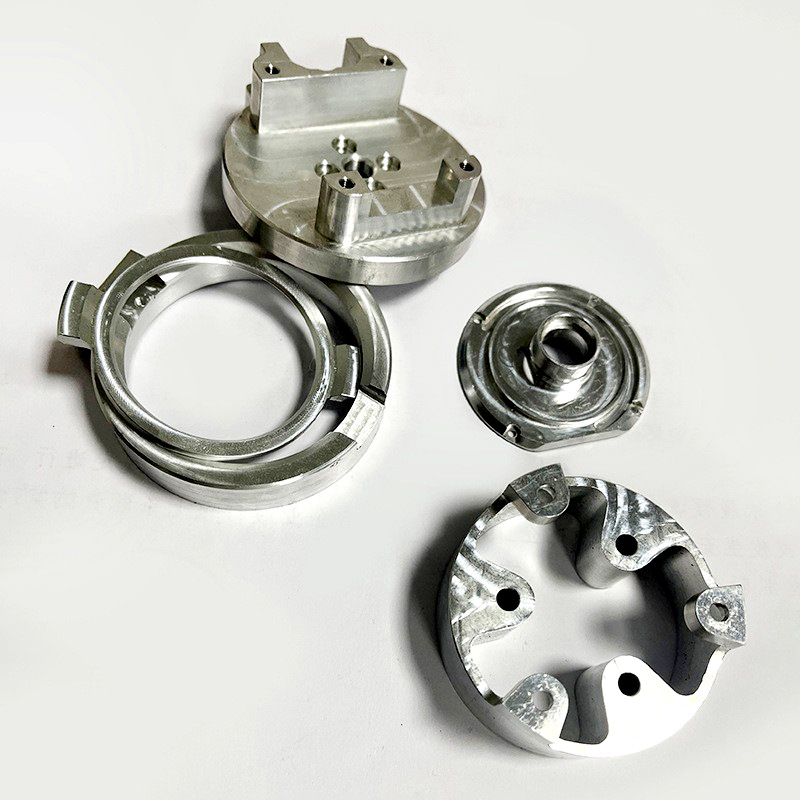
Problems buyers bring us in this sector
Medical buyers ask the same three things in almost every first email. Here are our honest answers, so you can decide in hour one whether we fit.
“Our quality system needs an ISO 13485 supplier”
We are not certified and we say so in the first reply, not at audit. For instrument hardware, lab equipment and development parts, many buyers approve a supplier on measured results and a sample order; if your process cannot, we would rather you know now than after a purchase order.
“We need traceability on the material”
EN 10204 3.1 mill certificate traceable to the batch we cut from, on request. Ask for it in the RFQ so it is in the price and the certificate travels with the parts.
“Plastic parts get contaminated by other jobs”
PEEK, POM and PTFE are machined with dedicated tooling and cleaned fixtures, and bagged individually after deburring. If you need a specific cleaning step or packaging, put it in the RFQ and we will price it in.
What we machine for medical customers
Our medical work is instrument hardware, laboratory equipment and development parts rather than implants or sterile-packed devices.
Instrument housings
Milled aluminium and stainless housings for benchtop and handheld instruments.
Manifold blocks
Fluidic manifolds with cross-drilled passages, O-ring grooves and threaded ports.
Laboratory fixtures
Sample holders, carriers, trays and locating nests in stainless and engineering plastics.
PEEK and POM components
Chemically resistant parts where metal cannot be used, machined without contamination from other jobs.
Surgical instrument prototypes
Handles, jaws and development hardware in 17-4 PH and 316L for evaluation, not for clinical use.
Enclosure hardware
Panels, brackets and mounts, anodised or passivated as the drawing requires.
What these parts are usually made from
316L and 17-4 PH for anything that will be cleaned or autoclaved, PEEK and POM where the part meets fluid or must not conduct.
What we watch on a medical drawing
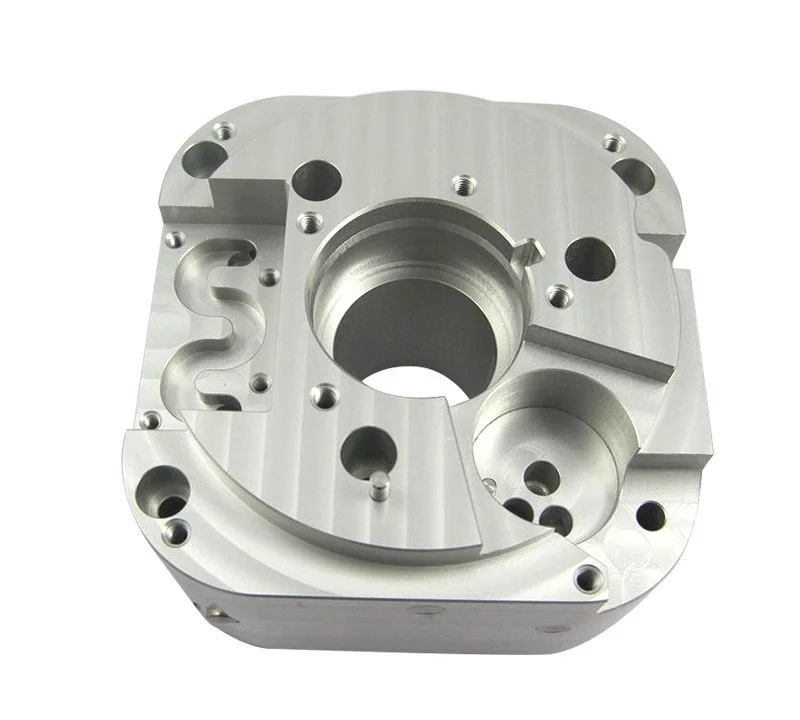
Surface finish, traceability and documentation
On medical hardware the three things buyers check are the surface finish on wetted or cleaned faces, the material certificate, and whether the dimensional report actually carries measured values. We can supply all three; what we cannot supply is a certified quality system.
- Surface finish, as-machinedRa 1.6 µm
- Surface finish, polishedRa 0.4 µm and below
- Achievable, milled±0.002 mm on critical features
- FitsISO 286 IT6 – IT8
- Material certificatesEN 10204 3.1 on request
- CertificationNot ISO 13485 — stated up front
What buyers in this industry ask
Are you ISO 13485 certified?
Can you keep our parts separate from other jobs?
Do you machine implants?
How we make them
CNC Milling
Housings, plates and brackets on 3- and 4-axis centres. CNC milling →
CNC Turning
Shafts, bushings and fittings on twelve lathes. CNC turning →
Inspection
First article on the CMM before the run continues. Quality →
Ready for a quote?
Send the drawing — price and lead time within 16 hours. STEP, IGES, X_T, DWG, DXF or PDF.
No minimum order.