
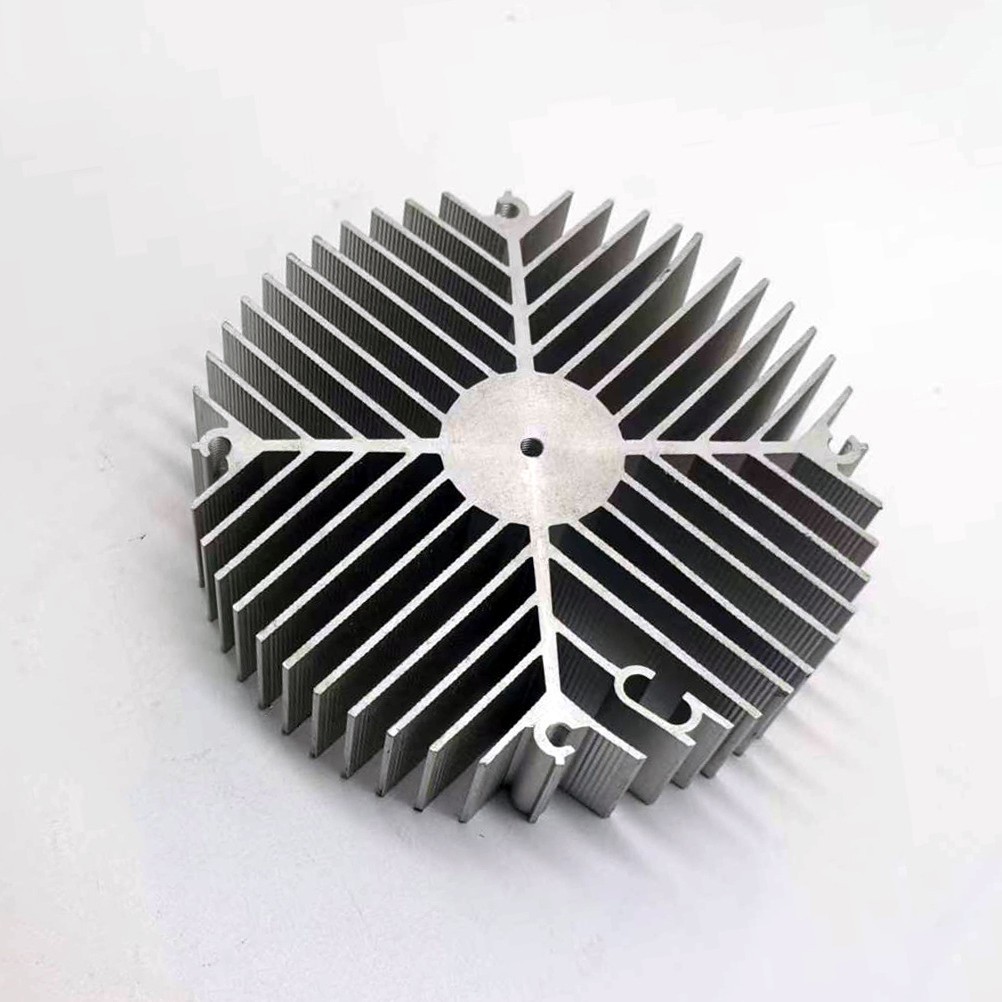
High-Volume Telecom CNC Machining China: RF Cavities and Filter Housings
High-volume telecom CNC machining in China: RF cavities, filter housings, heat sinks, waveguide flanges, flatness, silver plating and supplier checks.
Blog
Practical write-ups on machining problems, materials and finishes from the GY Machining shop floor in Dongguan.
High-volume telecom CNC machining in China: RF cavities, filter housings, heat sinks, waveguide flanges, flatness, silver plating and supplier checks.
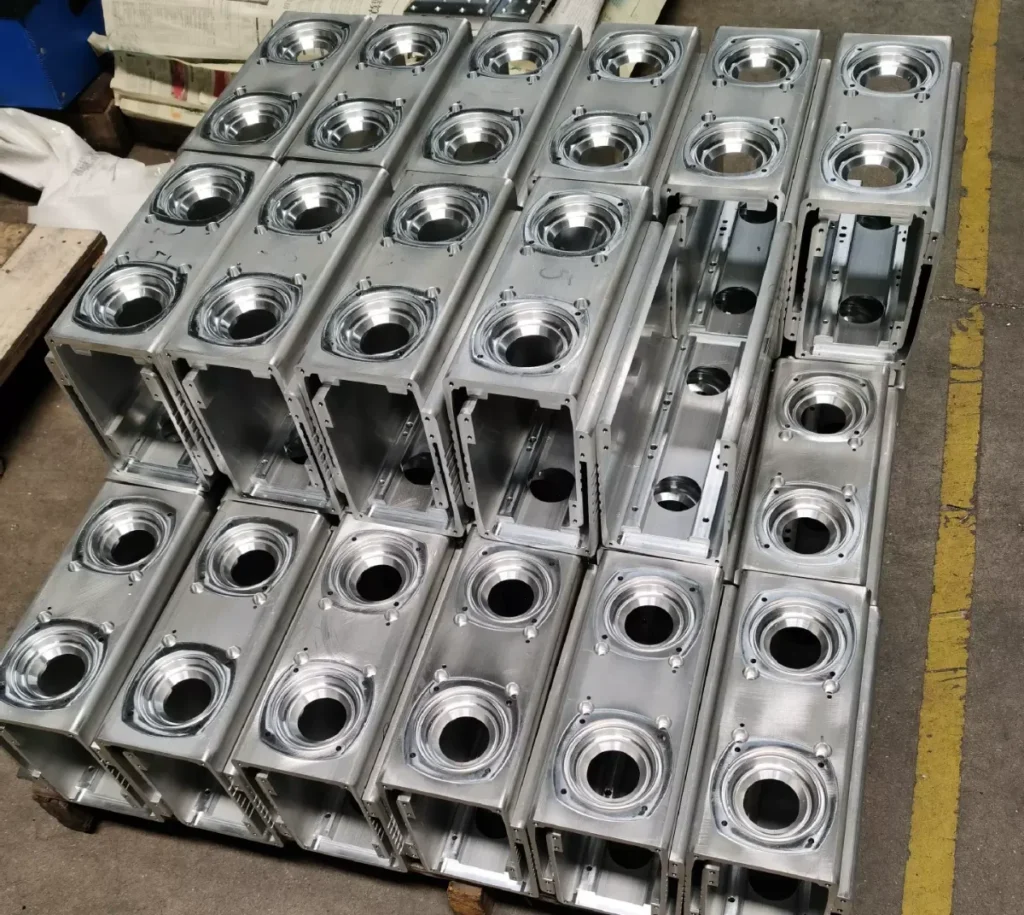
High-volume aluminium CNC machining in China: 6061 vs 7075, plate choice, fixtures, cycle time, anodising, inspection and volume pricing.
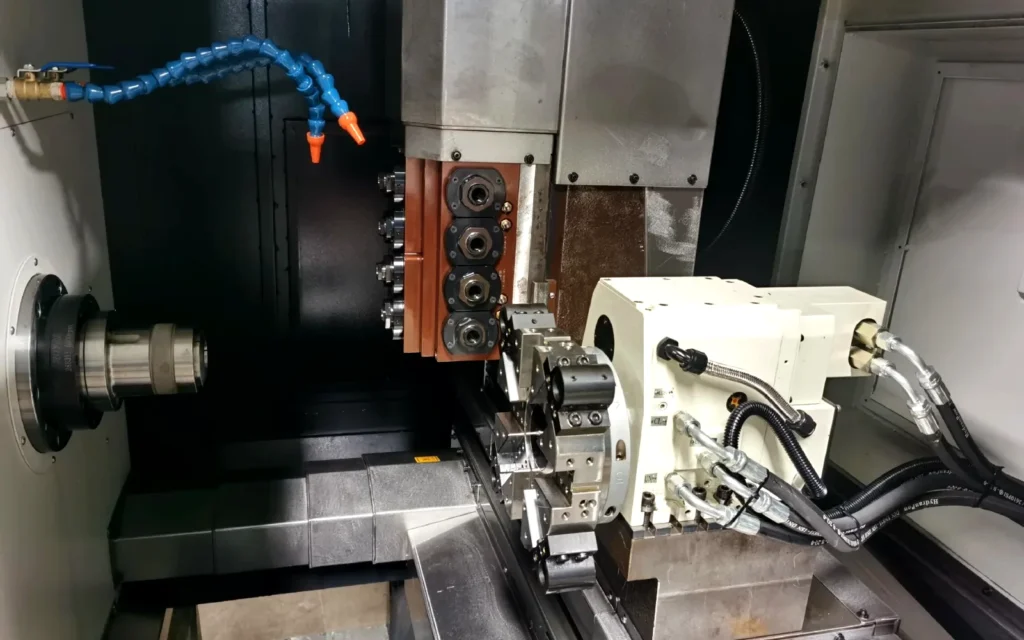
How we decide between a Swiss-type lathe, a chucking lathe and a cam-type automatic for small turned parts, and what that decision does to your price.
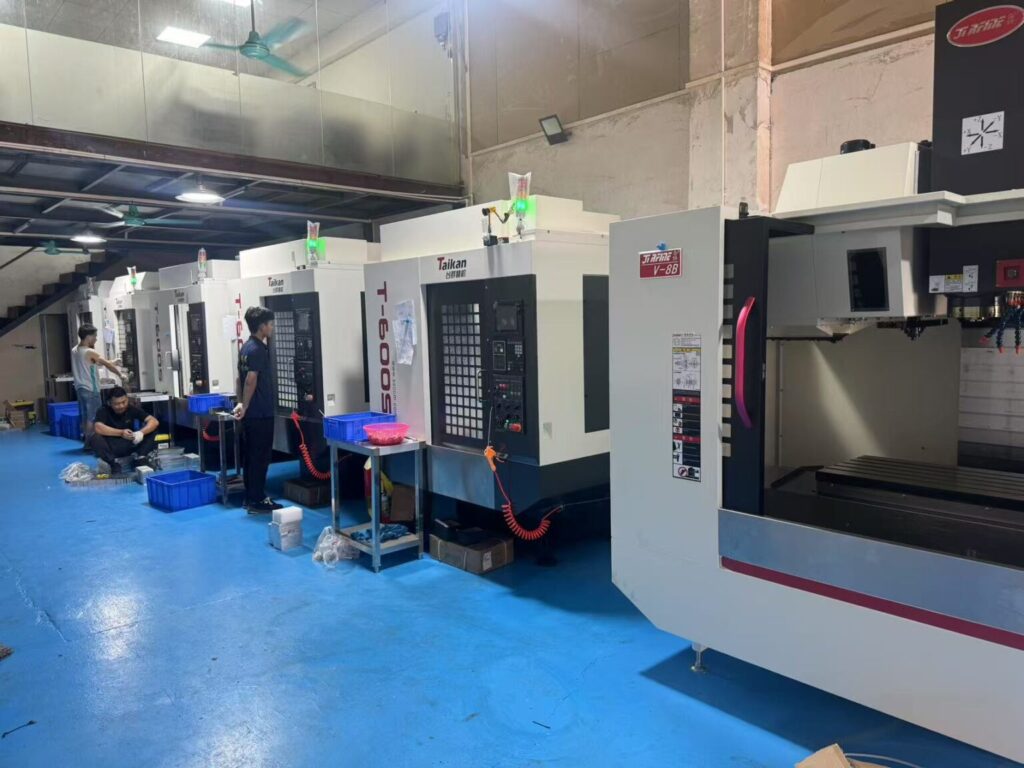
How to shortlist Chinese CNC machining manufacturers: factory vs trader, capability matrix, certifications, weighted scorecard and 20 audit questions.
How CNC unit price falls from 50 to 5,000 parts: setup amortisation, cycle time, material yield, finishing and the levers that actually move the price.
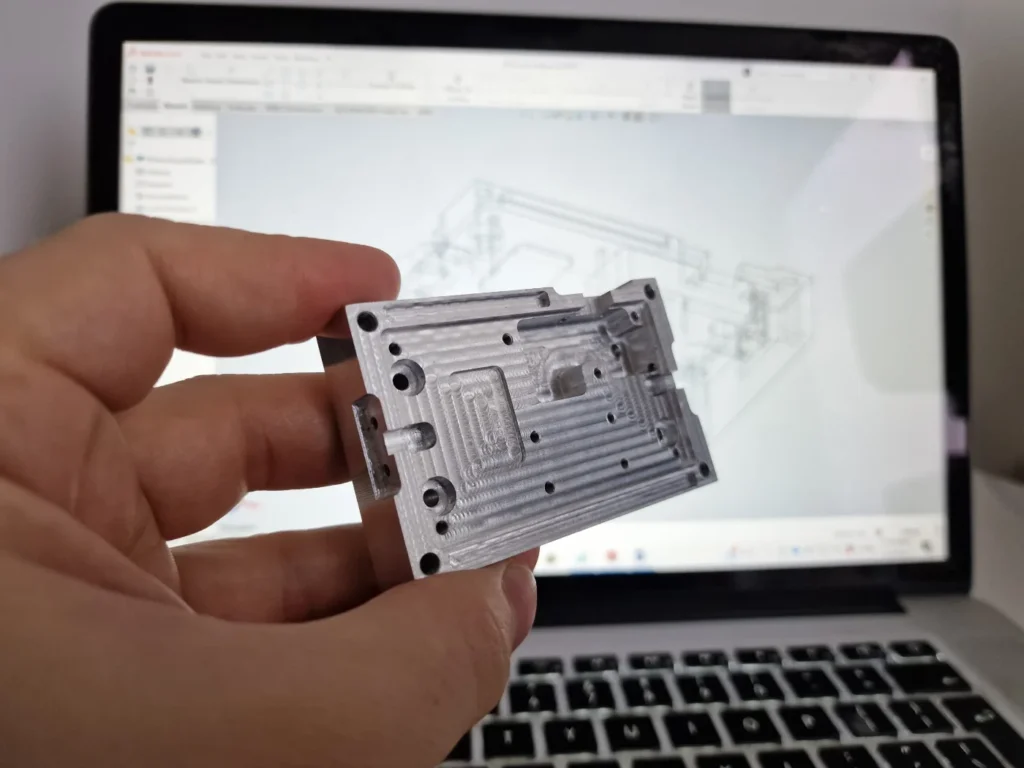
12 practical DFM rules for CNC machined parts: tolerances, corner radii, wall thickness, stock sizes, threads, cosmetic faces and drawing datums.
Table of Contents What “16-hour quote” actually means The calendar, stage by stage Lead time by process What moves the
High-volume CNC machining in China: how unit price falls at 1,000–100,000 parts, capacity planning, fixtures, inspection and supplier checks.
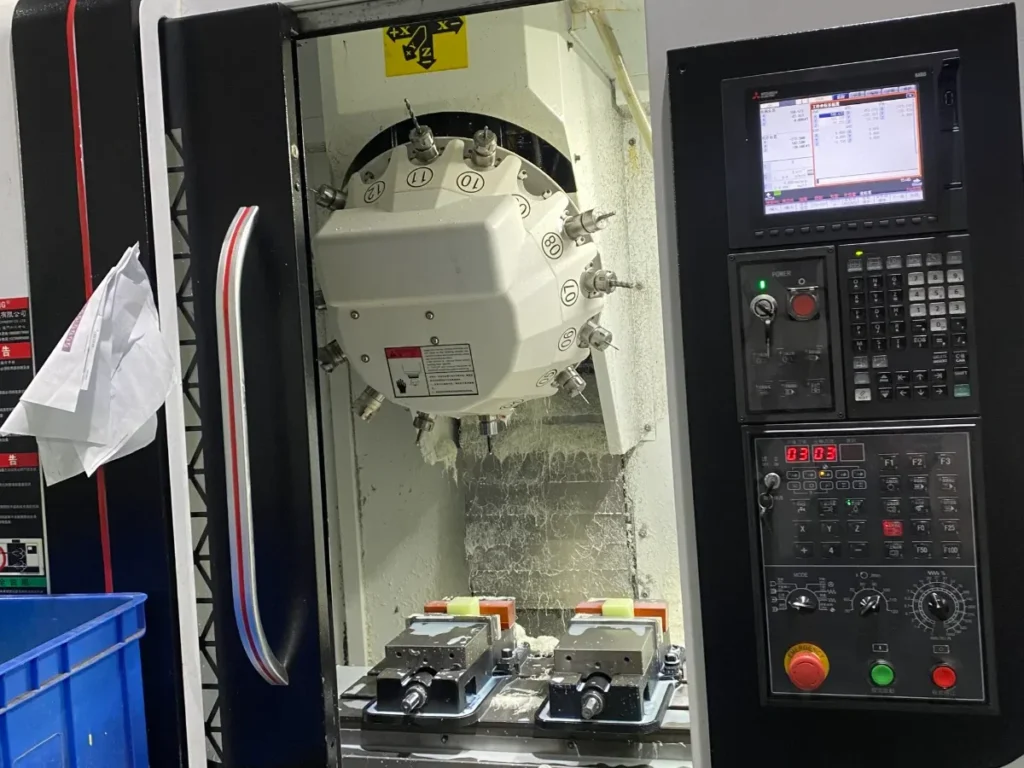
3-axis, 4-axis and 5-axis CNC compared: what each machine solves, why many “5-axis parts” are 3+2, and when 5-axis is genuinely required.
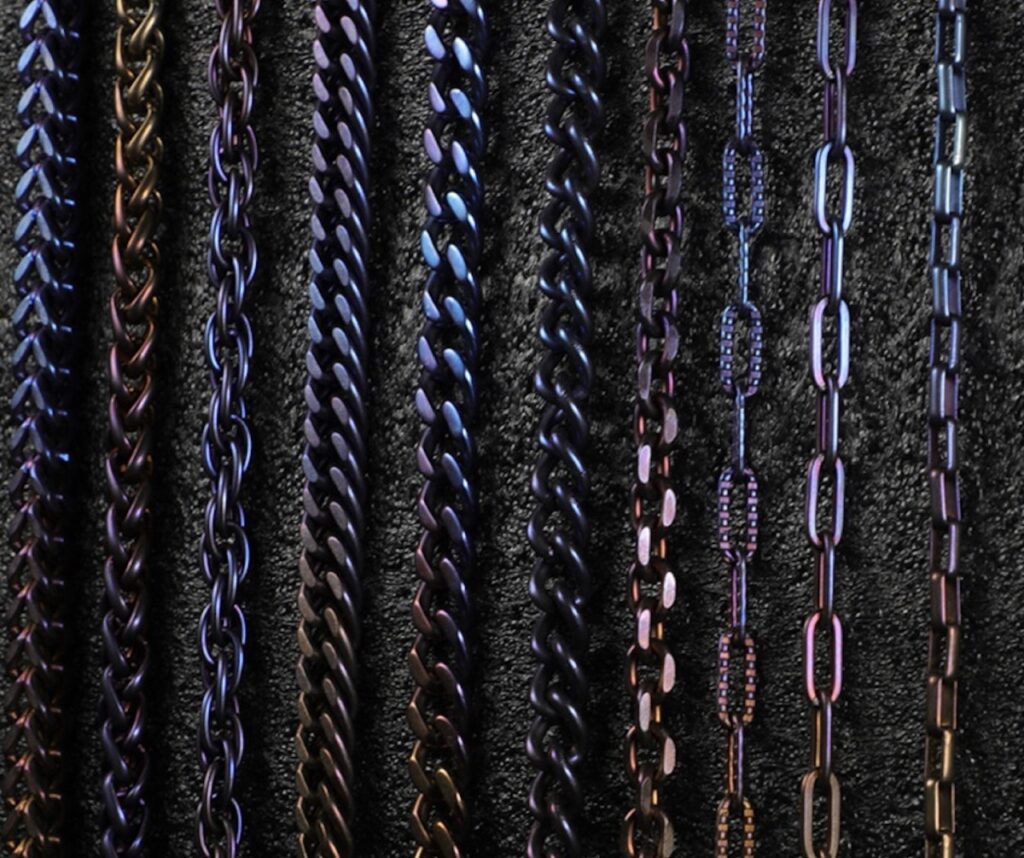
Pure titanium chains explained: cable, curb, box, snake, wheat, paperclip and mariner styles, Grade 1/2, anodised colours, sizing and custom supply.
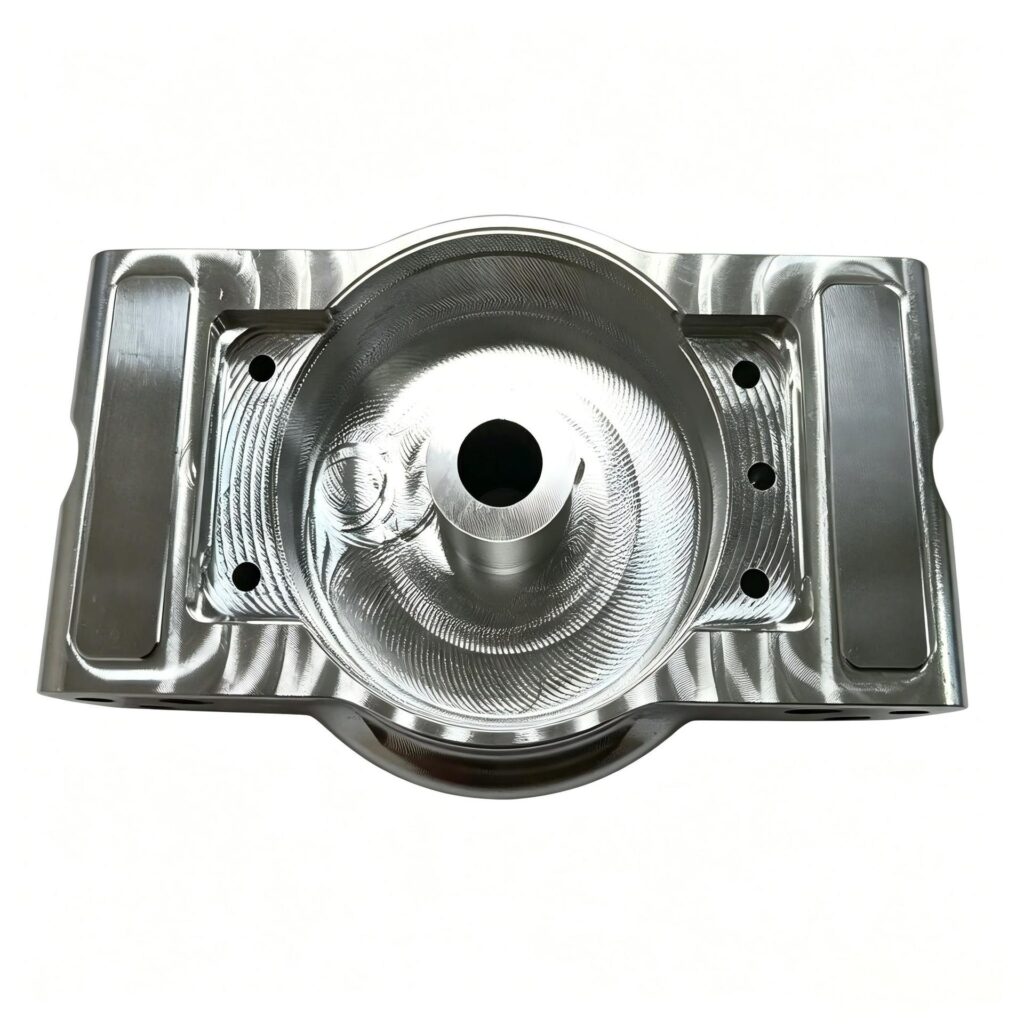
How custom CNC parts from China move from drawing to delivery: RFQ pack, DFM, first article, production, inspection and shipping.
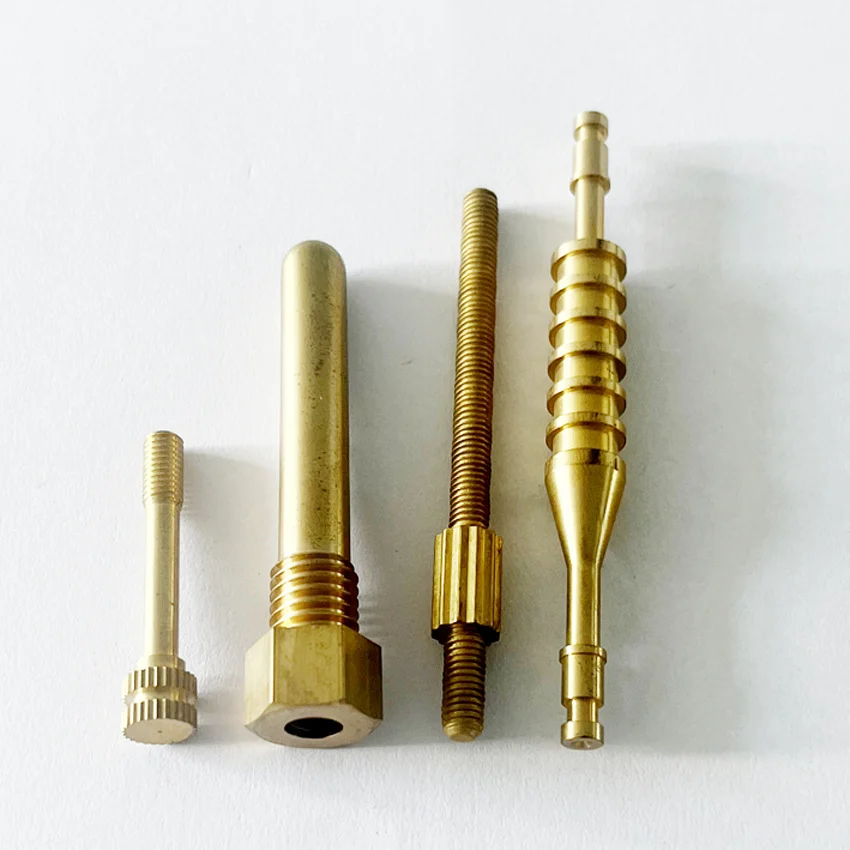
Milling vs turning for CNC parts: which process fits your geometry, why setup count drives cost, and when a part needs both. With practical examples.
Attach a STEP file and a 2D drawing together if you can — it saves a round of questions.