
CNC Machining PPS
PPS sits in the gap between acetal and PEEK: it holds up at around 200 °C, resists most chemicals, barely absorbs moisture and stays dimensionally stable — at a fraction of what PEEK costs. When a drawing calls for PEEK and the service temperature is 180 °C rather than 250 °C, PPS is usually the conversation worth having.
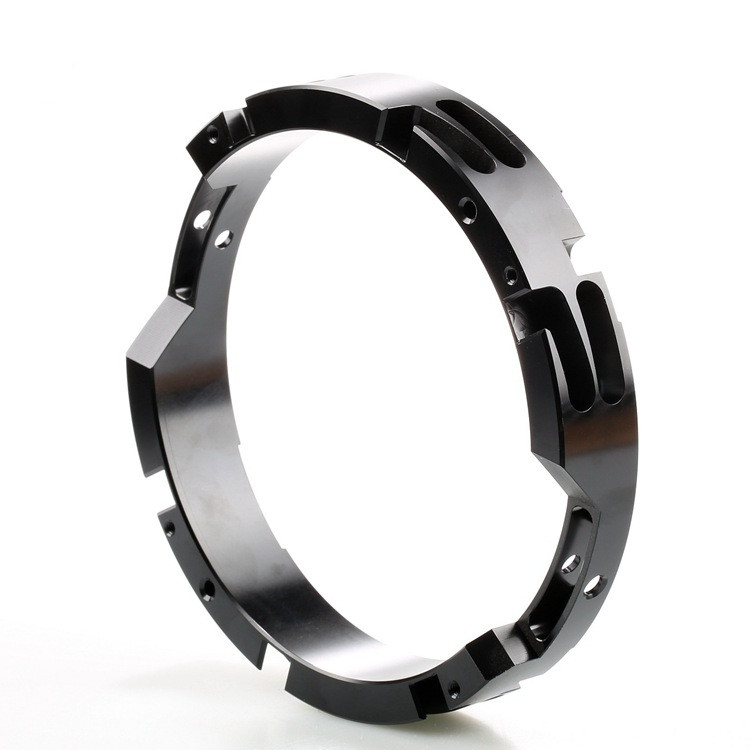
Grades we machine
Unfilled PPS is brittle, so most machined PPS work is in a filled grade.
| Grade | Best for | Notes |
|---|---|---|
| 40% glass-filled | The standard machining grade — pump parts, valve components, electrical parts | Stiff and stable; abrasive to tooling |
| Glass and mineral filled | Highest stiffness and lowest expansion | Even more abrasive; excellent dimensional stability |
| Unfilled PPS | Thin sections and electrical parts | Brittle; chips and cracks at edges if handled roughly |
| Bearing grades | Sliding parts at temperature | PTFE or carbon added for low friction |
Stable, chemically tough, and hard on cutters
PPS is dimensionally the best-behaved plastic we machine. It absorbs almost no moisture, it has low thermal expansion for a polymer and it does not creep the way PTFE does, so a PPS part measured today is the same part next month.
What it costs you is tooling. The glass and mineral fillers that give it that stability are abrasive, and cutters wear noticeably faster than in unfilled plastics. Sharp tooling and generous radii matter.
It is also more brittle than PEEK. Sharp internal corners, thin unsupported features and heavy clamping all invite chipping, so the design should treat it more like a ceramic than like nylon.
| At a glance | |
|---|---|
| Service temperature | Around 200 °C continuous |
| Moisture absorption | Very low |
| Chemical resistance | Excellent below about 200 °C |
| Weakness | Brittle, especially unfilled; abrasive fillers wear tooling |
| Typical parts | Pump and valve components, electrical insulators, hot fluid handling parts |
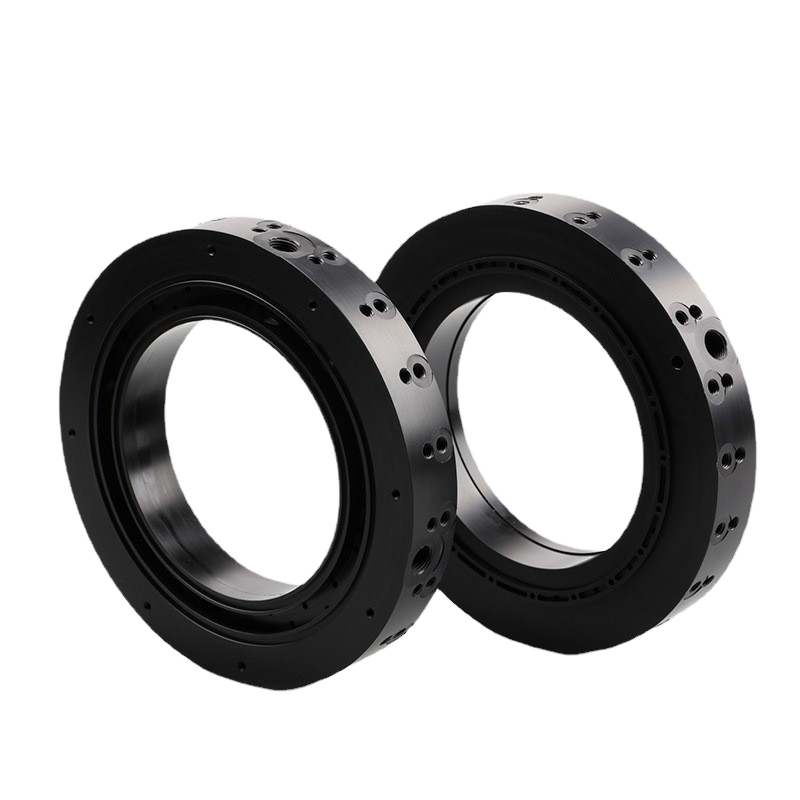
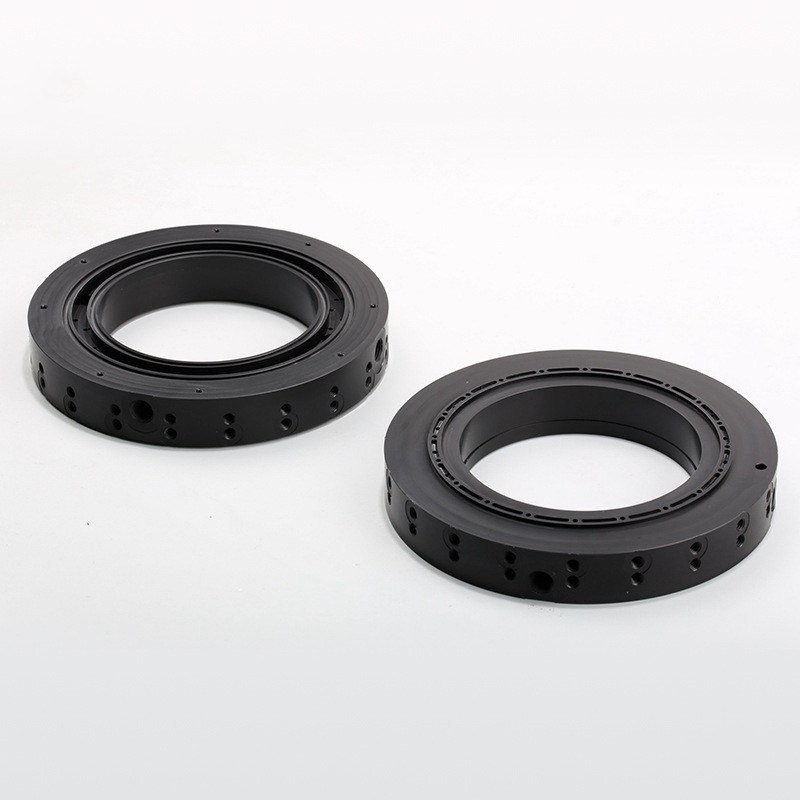
CNC machined PPS parts
Pump and valve components, insulators, bearings and chemical-handling parts — machined from PPS rod and plate. Glass-filled grades cut well but wear tooling, which is why filled and unfilled are not quoted at the same rate.

Four notes on PPS
Ask whether PEEK is really needed
If your service temperature has headroom below 200 °C, PPS often does the same job for much less money. Send the temperature and we will say honestly which one the part needs.
Radius the internal corners
PPS chips. A corner radius costs nothing at the machine and removes the most common failure in handling and assembly.
Expect a filled grade
Unfilled PPS is fragile in machined form. Unless the application needs the purity, glass-filled is the practical choice.
Glass-filled PPS is abrasive, and that shows in the price
Forty per cent glass is hard on carbide. It is no problem for the part, but it is a real cost on a long run, so quantity moves the price per piece more than it does on unfilled plastics.
Ready for a quote?
Send the drawing — price and lead time within 16 hours. STEP, IGES, X_T, DWG, DXF or PDF.
No minimum order.