
CNC Machining PTFE
PTFE is chosen for two properties nothing else matches: it is chemically inert against almost everything, and it has the lowest friction of any solid we machine. It is also soft, it creeps under load, and it moves more with temperature than any other plastic here — which makes tight tolerances a conversation rather than a given.
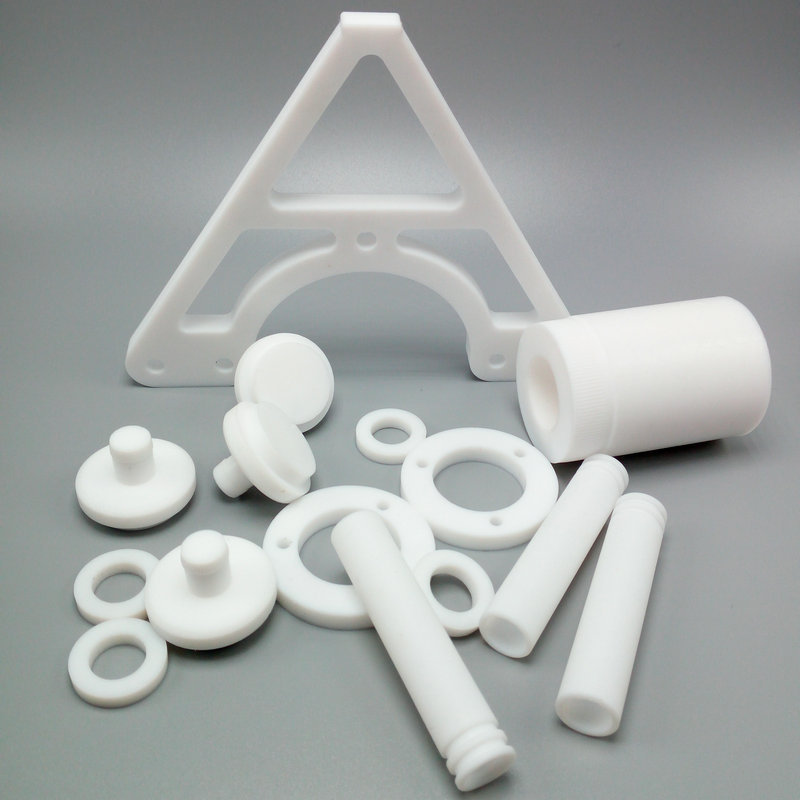
Grades we machine
Filled PTFE exists because unfilled PTFE deforms. If the part carries any load at all, a filled grade is usually the right starting point.
| Grade | Best for | Notes |
|---|---|---|
| Virgin PTFE | Chemical inertness, food and medical contact, electrical insulation | The purest grade; softest and most prone to creep |
| Glass-filled (15–25%) | Seals and bearings under load | Much better creep resistance and wear, slightly less chemically inert |
| Carbon-filled | Wear parts, better thermal conductivity | Good load capacity; electrically conductive |
| Bronze-filled | Heavy load bearing surfaces | Highest load capacity of the common fills; not for aggressive chemicals |
| Graphite-filled | Dry running surfaces | Lowest friction under load |
Soft, slippery and constantly moving
PTFE cuts easily — too easily. It is soft enough that cutting pressure pushes it out of the way, so a dimension measured under the tool is not the dimension you get once the part relaxes. Sharp tooling, light clamping and generous support are what make a PTFE part come out right.
It also has a very high coefficient of thermal expansion, several times that of most plastics and an order of magnitude beyond metals. A PTFE part measured warm and used cold is a different size. For any tight fit, we measure at a stable room temperature and we will tell you if the tolerance you have asked for is achievable at your service temperature.
Creep is the third issue. Under sustained load, unfilled PTFE deforms permanently. If the part is clamped, bolted or pressurised, a filled grade is almost always the correct choice.
| At a glance | |
|---|---|
| Service temperature | Around 250 °C, and usable at cryogenic temperatures |
| Friction | Among the lowest of any solid material |
| Chemical resistance | Inert to almost everything |
| Weaknesses | Soft, creeps under load, high thermal expansion |
| Typical parts | Seals, gaskets, valve seats, insulators, chemical-handling components, slide plates |
CNC machined PTFE parts
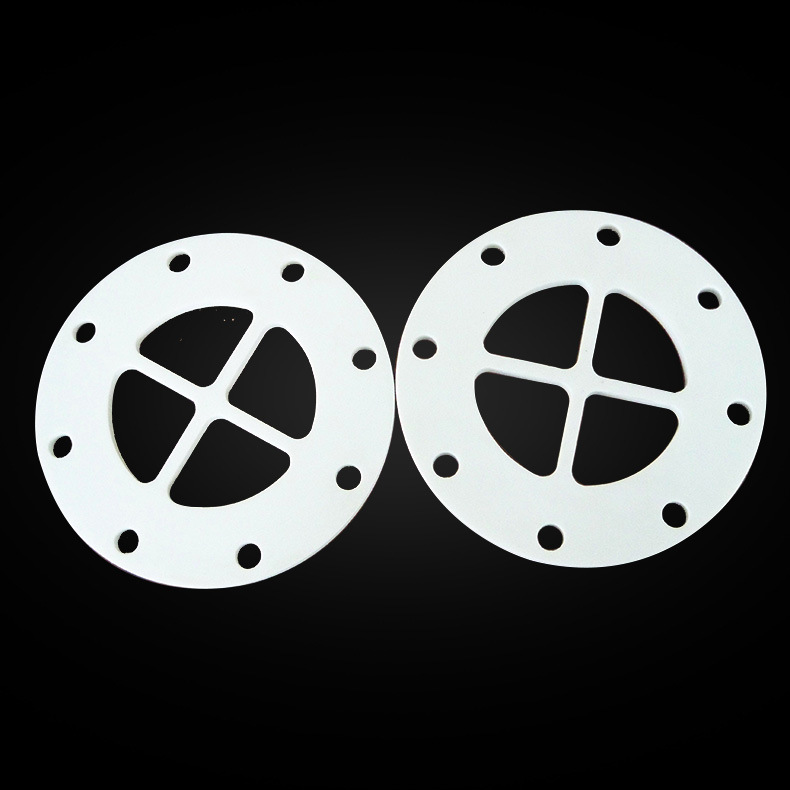
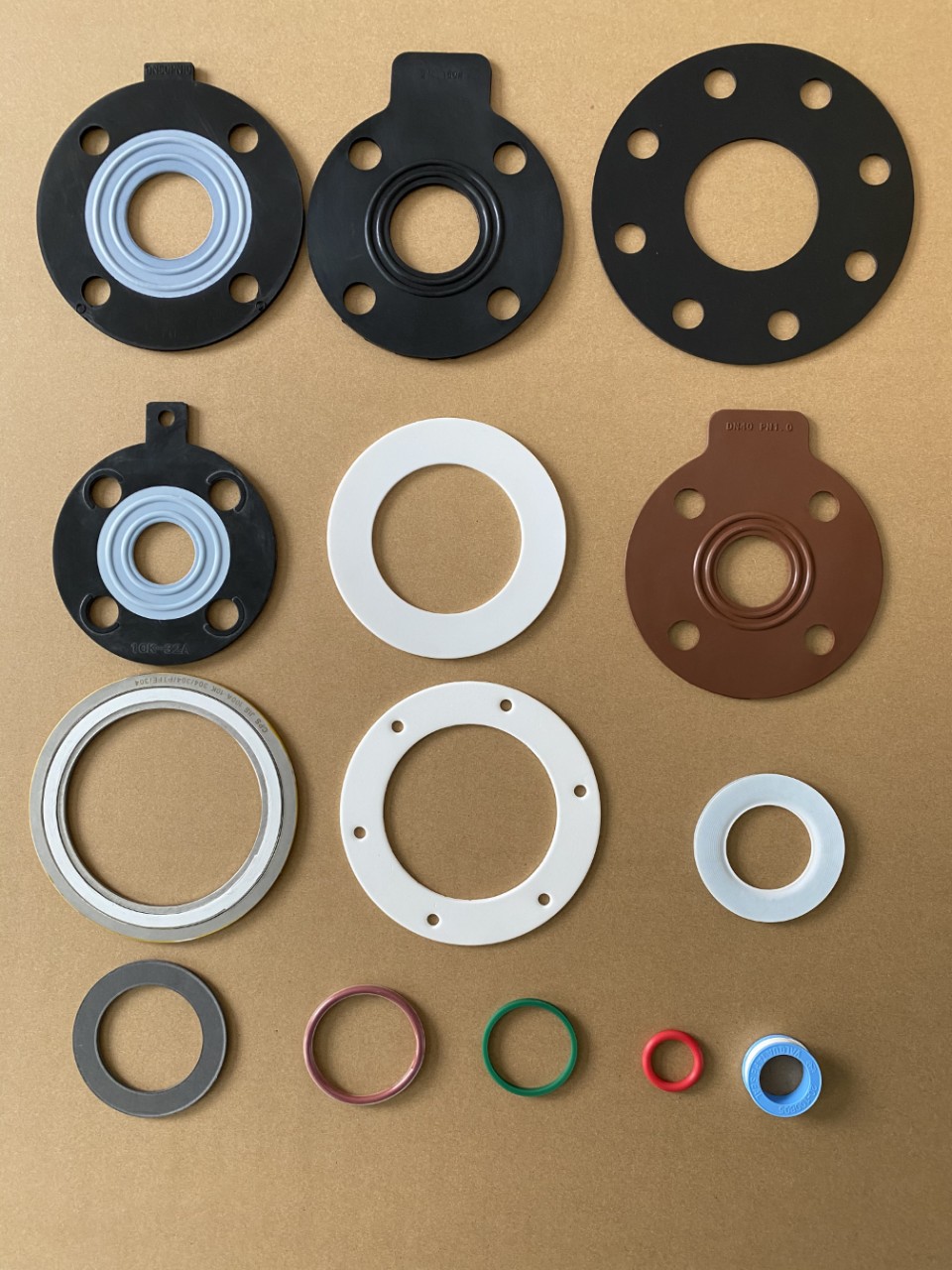
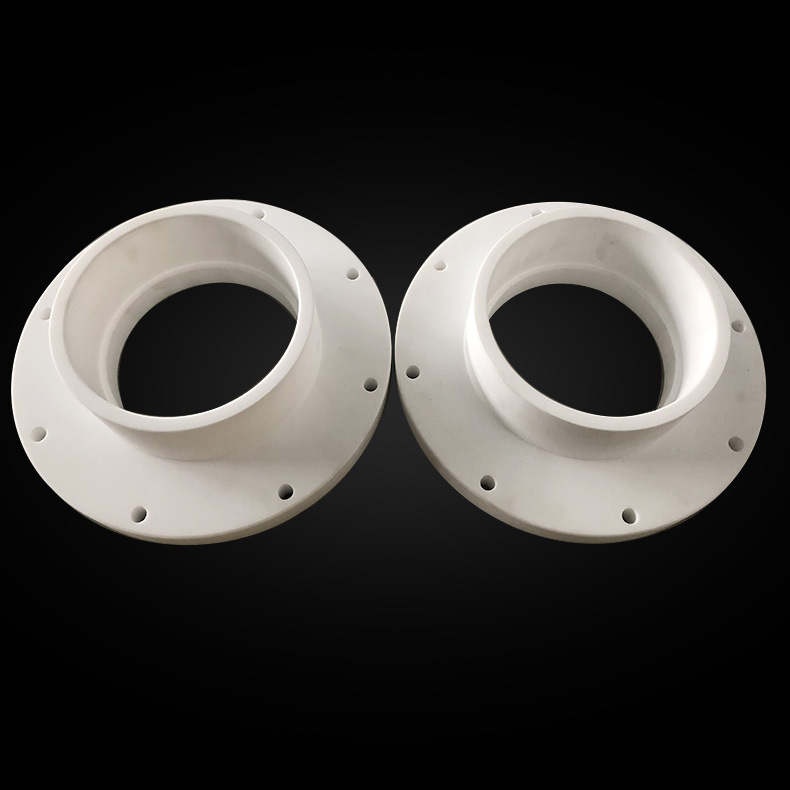
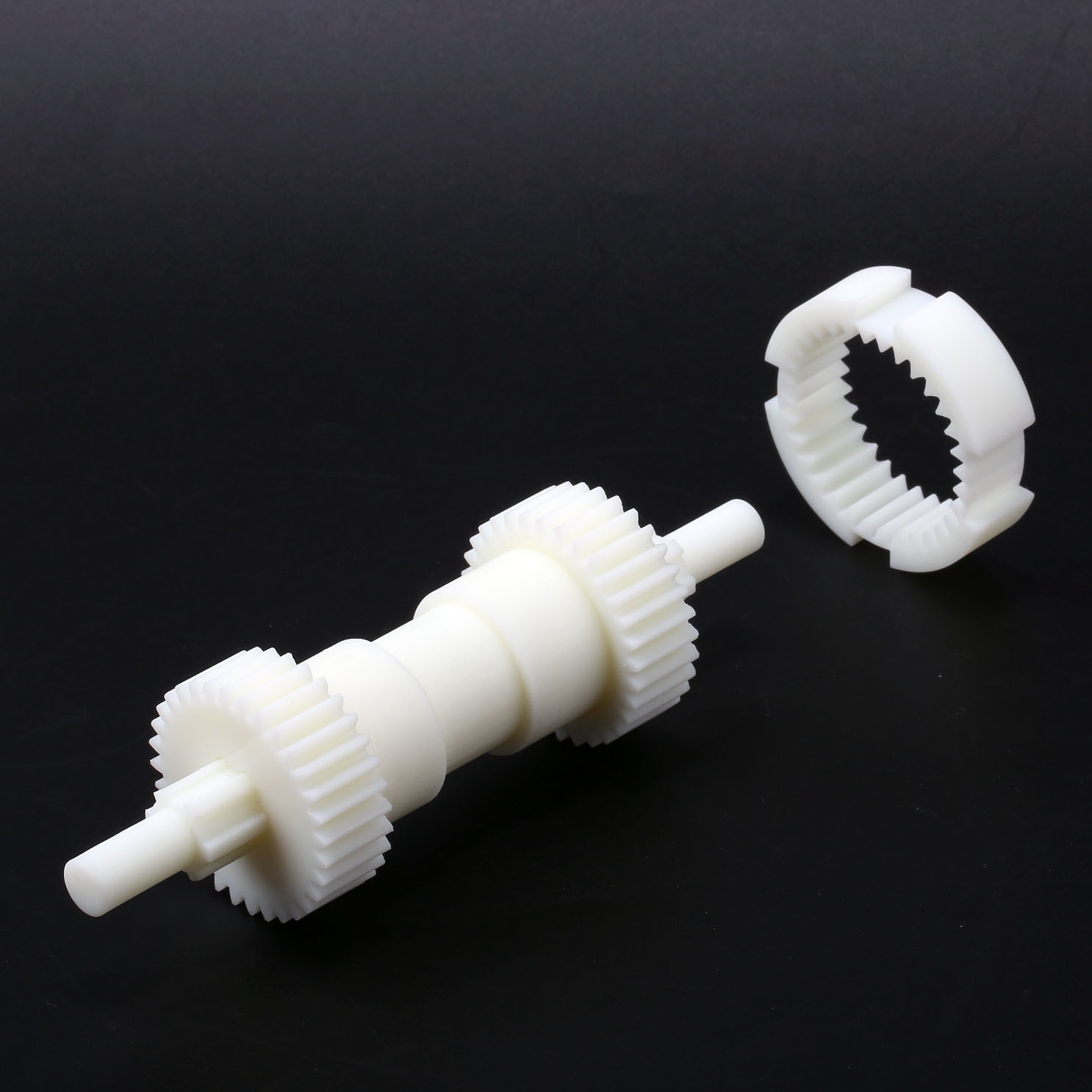
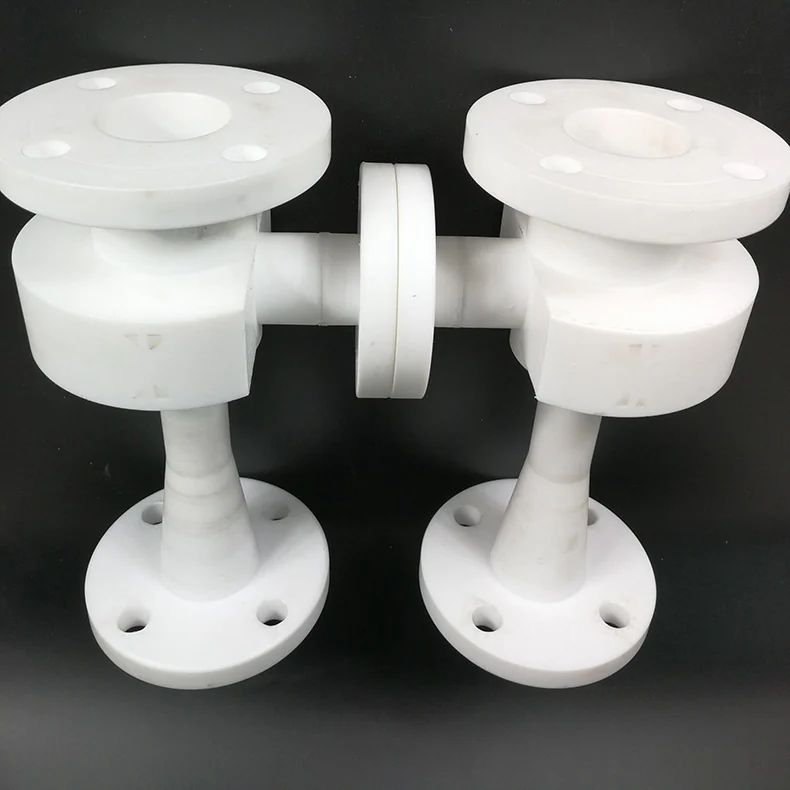
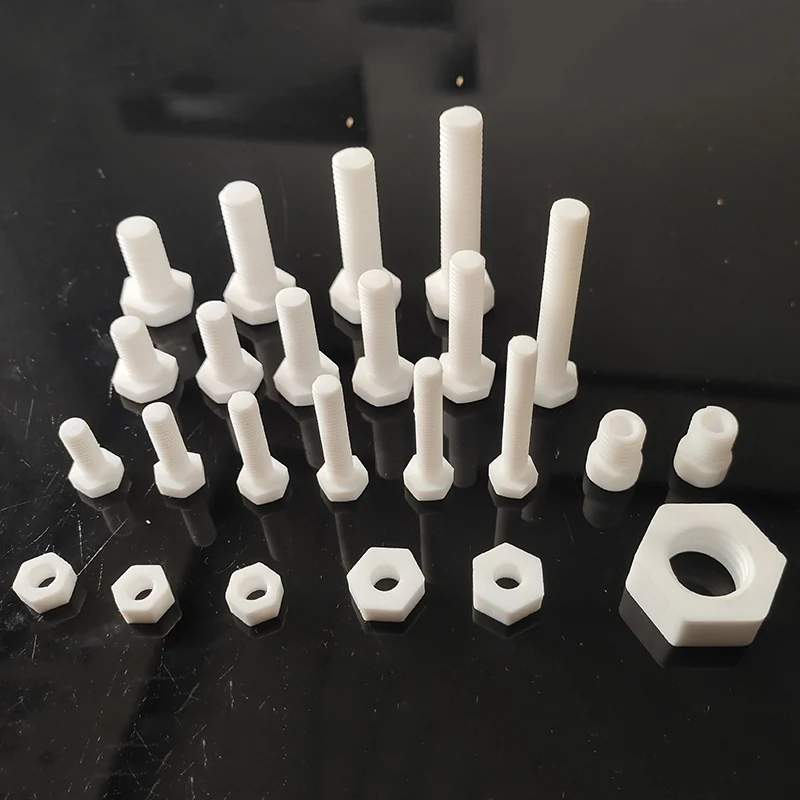
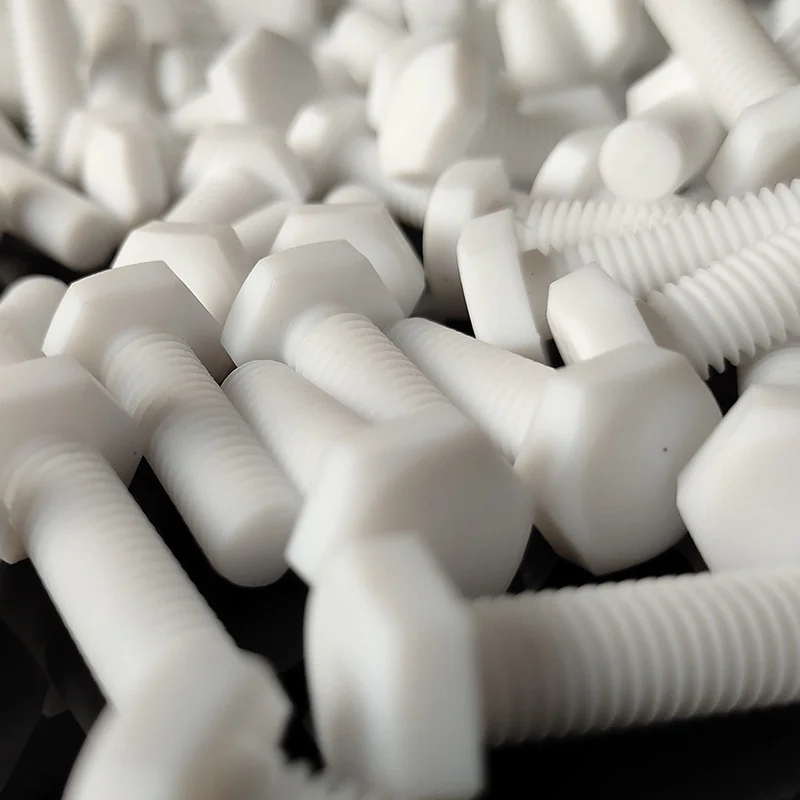
Seals, gaskets, seats, insulators and lined components — turned and milled from PTFE. It is soft and moves under clamping and heat, so the tolerance we can actually hold depends on the feature, not on the block in the title bar.

Four notes before you order PTFE
Say whether the part is loaded
If it is clamped, bolted or under pressure, tell us. Unfilled PTFE will creep and a filled grade will not. This is the single most common PTFE design mistake.
Give the service temperature for any fit
PTFE moves a lot with temperature. A tolerance that works at 20 °C may not describe the part at 150 °C, and we would rather discuss that than hold a number that stops being true.
Keep tolerances realistic
PTFE will not hold what acetal holds. Mark the functional dimensions and let the rest sit wide — it is cheaper and more honest.
Tell us if it should be filled
Virgin PTFE wears quickly under load. Glass, bronze or carbon fill changes the wear life completely for a little more money — but it also changes the chemistry, so say what the part touches.
Ready for a quote?
Send the drawing — price and lead time within 16 hours. STEP, IGES, X_T, DWG, DXF or PDF.
No minimum order.