
Custom parts
A custom CNC part is not a catalogue item with a logo. It is a drawing, a material, a tolerance, a finish and a quantity that only make sense together. The gap between a good China order and a bad one is usually the quality of the RFQ and the first article, not the machine.
Short version: send a STEP file, a dimensioned drawing with a revision, the material and temper, the quantity now and annually, the critical tolerances, the finish and the inspection requirement. Agree the first article before the batch. Compare landed cost, not part price.
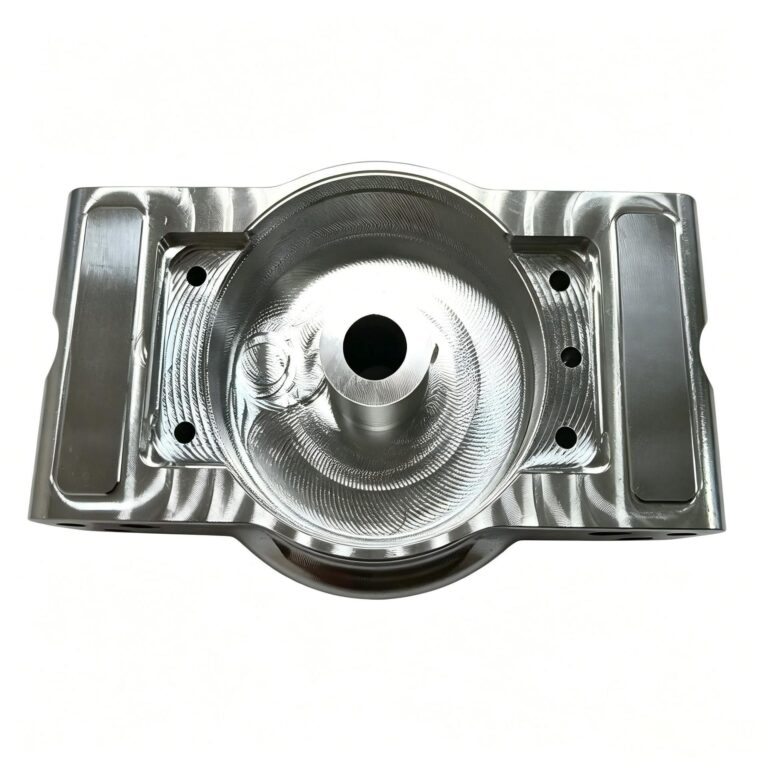
Quick answer: what you need to order custom CNC parts from China
- Geometry: a STEP model and a 2D drawing with the revision. One without the other leaves gaps.
- Material: grade and temper, not just “aluminium” or “stainless”.
- Quantity: the first order and the annual volume. The price changes at both ends.
- Tolerance: the critical features and datums. General tolerance is not a fit specification.
- Finish: process, colour and gloss. A physical sample if the part is cosmetic.
- Inspection: FAI, CMM report, material certificate, finish certificate.
- Shipping: destination and Incoterm. Ask for DDP if you want a landed comparison.
With that pack, a good shop can quote in about 16 hours and tell you what is expensive before you commit. Without it, the quote is a guess and the first article is where the surprises appear.
What “custom” actually means
“Custom” can mean a one-off prototype, a family of parts with a shared housing, or a production run with a colour-matched anodised finish. The process is the same, but the risk sits in different places.
Prototype: the design is still moving. Setup and programming dominate the price. The goal is a part that proves the function, not the lowest piece price.
Pilot batch: the design is nearly fixed. The goal is to prove the process: fixture, programme, finish, inspection. Keep the fixture and programme with the part record; the production batch should run the same way.
Production: the drawing is fixed and the volume is known. The leverage moves to material yield, cycle time, setup count and finishing. A small design change can save more than a price negotiation.
The RFQ pack: what to send
- STEP file of the current revision. Name it with the part number and revision.
- 2D drawing with the revision, datums, critical dimensions and tolerance block.
- Material and temper, plus any certificate requirement.
- Quantity now and annual volume. If the annual volume is uncertain, say so.
- Critical features: the bore, the flatness, the position, the thread class. Mark what the function needs.
- Finish: anodising type and colour, plating, powder coating, bead blasting, passivation. Send a sample if cosmetic.
- Inspection: FAI, CMM, material cert, finish cert, AQL or sample size.
- Anodising note: if the part will be coated, say so; the pre-finish size may need adjusting.
- Destination and Incoterm: EXW, FOB, DAP or DDP. Ask for a landed cost if you are comparing with local.
- IP restrictions: NDA, approved subcontractors, no photography, no use in a portfolio.
- Target date: the date you need the parts, not the date you would like them.
How the quote is built
A quote is a set of assumptions. Ask for the assumptions and you can compare two suppliers fairly.
| Quote line | What it covers | What to ask |
|---|---|---|
| Material | Stock size, grade, temper, yield allowance | Is the certificate included? Is the stock size standard? |
| Machining | Cycle time, number of setups, machine type | Which machine? How many setups? |
| Setup | Programming, fixture, first-off | Is setup separate or amortised? |
| Finishing | Anodising, plating, powder, masking | In-house or partner? Minimum charge? |
| Inspection | FAI, CMM, certificates, packing | What is included in the base price? |
| Freight | Air/sea, duty, clearance, delivery | EXW, DDP, or something in between? |
The lowest quote is often the one with the most exclusions. A quote that separates setup, finishing and inspection is easier to trust than a single number with no assumptions.
DFM changes that usually cut cost
DFM is not a list of rules; it is a conversation about what the part must do. These changes show up again and again in quotes.
1. Remove a setup. Move a feature to a face that is already open. One less setup can remove 15–30% of the machining cost.
2. Relax a tolerance that nobody uses. A ±0.05 mm callout on a non-functional face adds inspection time and scrap risk. Keep the tight tolerance on the bearing bore and the mating face.
3. Use a standard cutter radius. A pocket with a 3 mm inside radius may need a small cutter and a slow finish pass. A 6 mm radius can use a stronger tool.
4. Avoid deep, narrow pockets. Depth-to-width above 4:1 needs a long, thin cutter, slower feeds and more chatter risk. If the pocket is not functional, make it wider or shallower.
5. Start from a standard stock size. A custom plate size adds material cost and lead time. If the part can fit a standard bar or plate, say so.
6. Decide the finish before machining. Anodising, plating and powder coating change the fit. If the bore is critical, machine it for the post-finish size or mask it.
7. Design for the fixture. A flat pad or a clamping boss can make the part stable in the vice. A part with no parallel faces is a fixture project, not a cheap machining job.
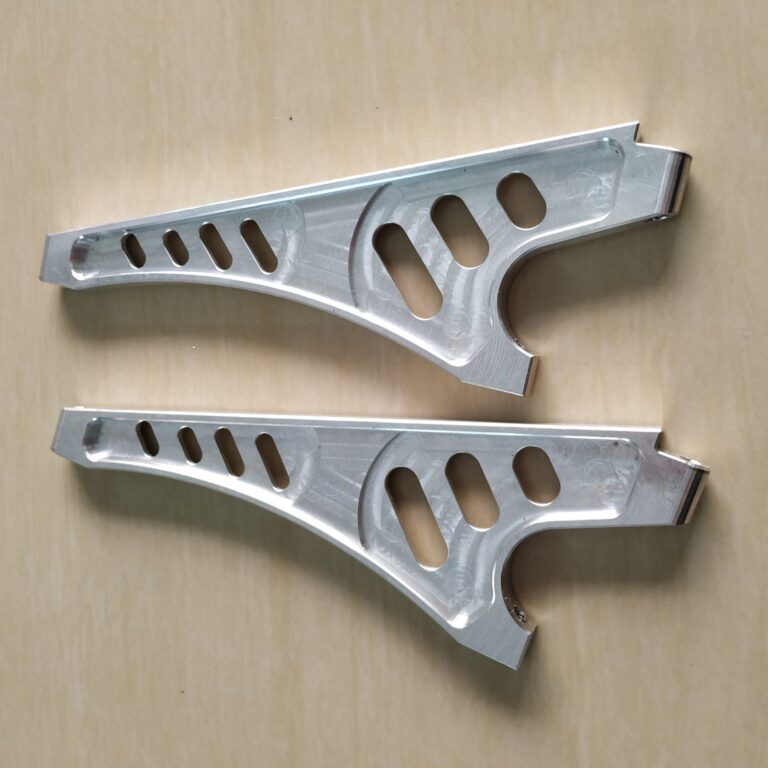
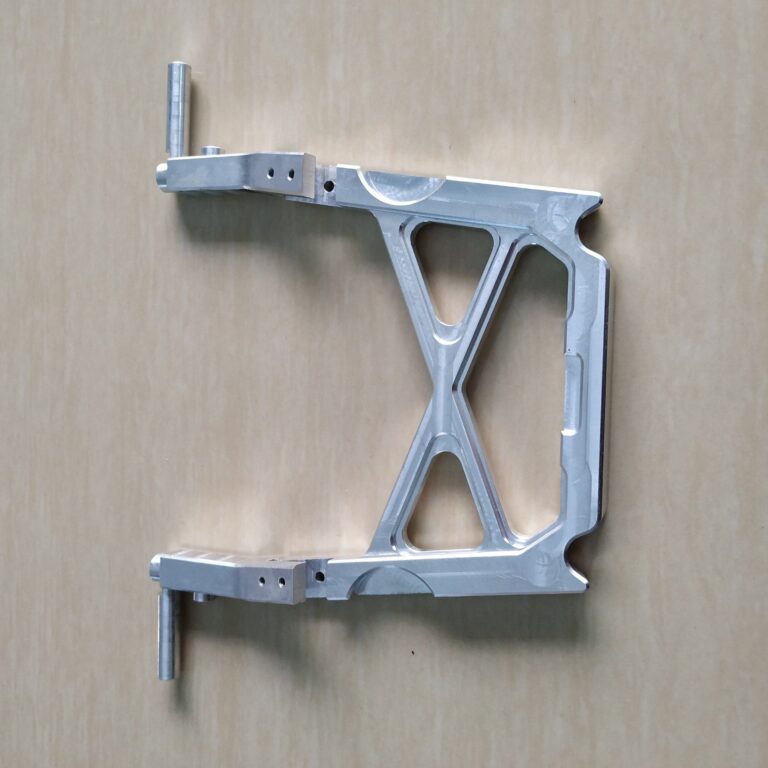
First article and approval
The first article is the first part made with the production process: same material, same fixture, same programme, same finish. It is not a hand-finished sample.
A useful first-article report includes:
- Every dimension on the drawing, with nominal, tolerance, actual and instrument.
- CMM data for the critical features, with the datum scheme stated.
- Material certificate with the heat/lot number.
- Finish certificate or thickness measurement.
- Photos of the part, the packaging and any visual defects.
Approve the report in writing before the batch runs. If a dimension is out but the part still functions, decide whether to accept a deviation or change the drawing. Do not let the supplier “fix it in the next batch” without a written deviation.
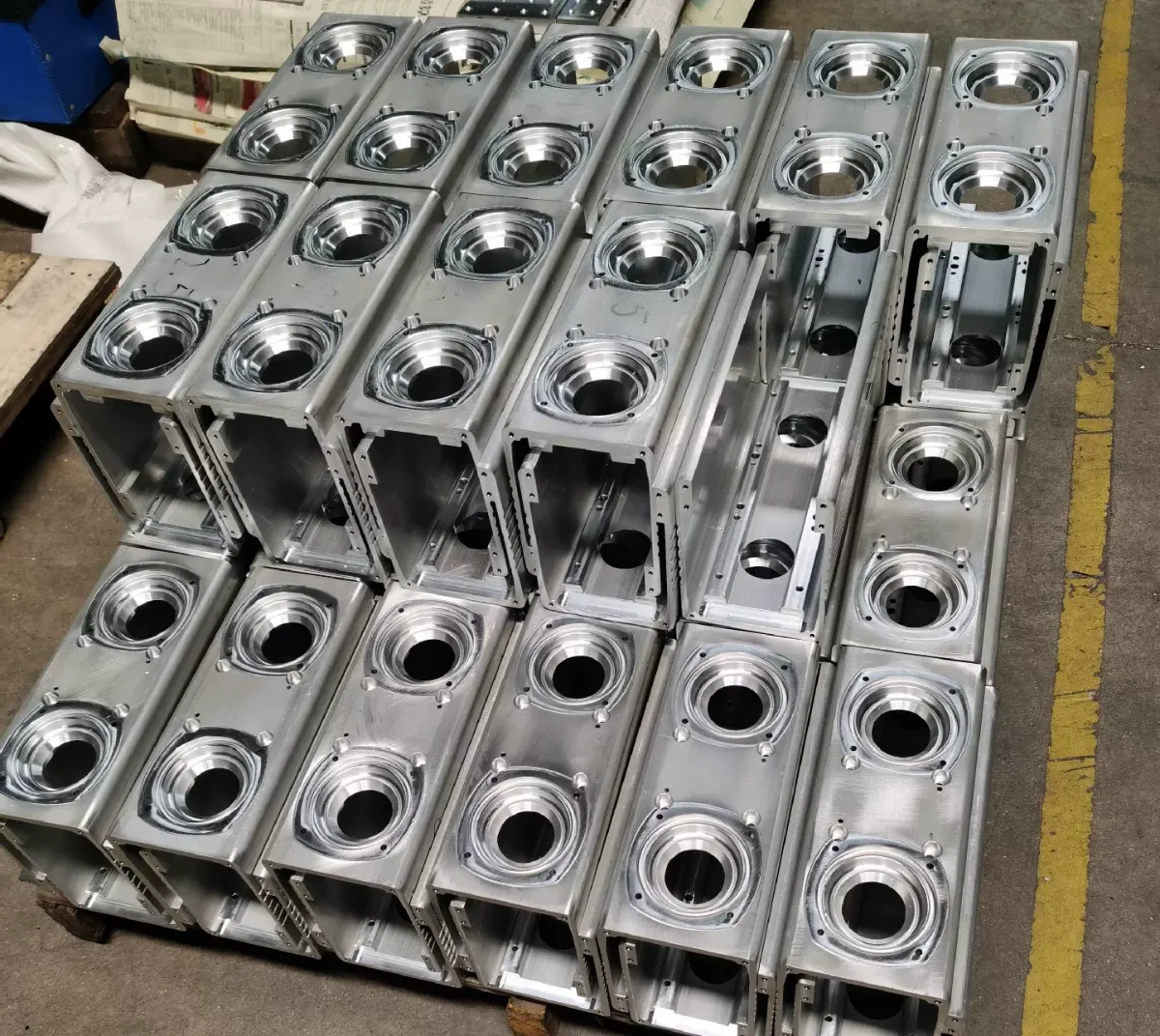
Production and inspection
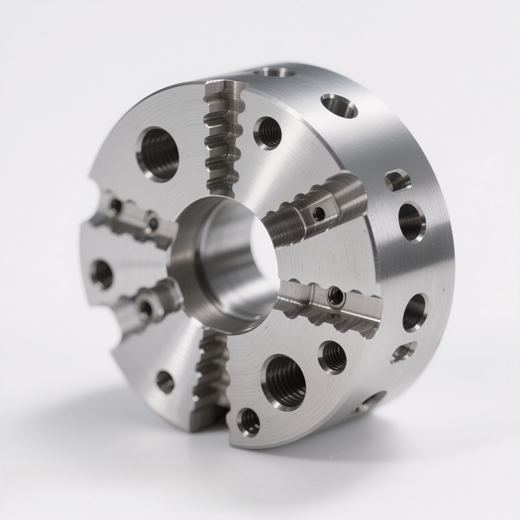
Once the first article is approved, the batch should run on the same process. The things that change are usually human: a new operator, a different cutter, a shortcut in the finishing step. Ask how the supplier controls the process, not just the final inspection.
In-process sampling. Check the critical features at the start, middle and end of the run. A batch that is good at the start and drifting at the end is a process problem.
Final inspection. A sample of the batch measured against the drawing, plus a visual check for burrs, tool marks, finish defects and damage.
Packing. Parts should be protected between operations and in the carton. For cosmetic parts, ask for a protective film or individual bags. For heavy parts, ask for a pallet and edge protection.
Photos before shipment. A photo of the finished batch, the label and the packaging is a cheap way to catch a problem before the freight forwarder arrives.
Shipping and documents
The part is not delivered until it clears customs and reaches your door. Agree the Incoterm before the PO.
- EXW: you arrange export clearance and freight. The lowest part price, the most work for you.
- FOB: the supplier clears export and delivers to the port; you pay the main freight.
- DAP: the supplier delivers to your address; you pay import duty and clearance.
- DDP: the supplier arranges carriage and pays duty. The closest thing to a landed cost.
Documents that should travel with the parts: commercial invoice, packing list, bill of lading or airway bill, certificate of origin if needed, material and finish certificates, and the inspection report. Send copies by email as well; customs usually reads the email first.
Air freight is 3–6 days and expensive per kilo; sea freight is 25–35 days and cheaper for bulky parts. If the first article is urgent, air-freight the sample and sea-freight the batch.
Common mistakes on custom CNC orders
- Sending a PDF without a STEP. The supplier cannot see the third view and guesses the geometry.
- No revision control. Two versions of the drawing in one email thread is a recipe for the wrong part.
- General tolerance on a bearing fit. The fit needs a specific tolerance and a datum.
- Approving a finish from a photo. Anodising colour changes with light and surface finish.
- Skipping the first article. A batch made before approval is a batch at risk.
- Comparing part price only. Freight, duty, inspection and your time are part of the landed cost.
- No NDA. The drawing can travel further than you think.
What GY does
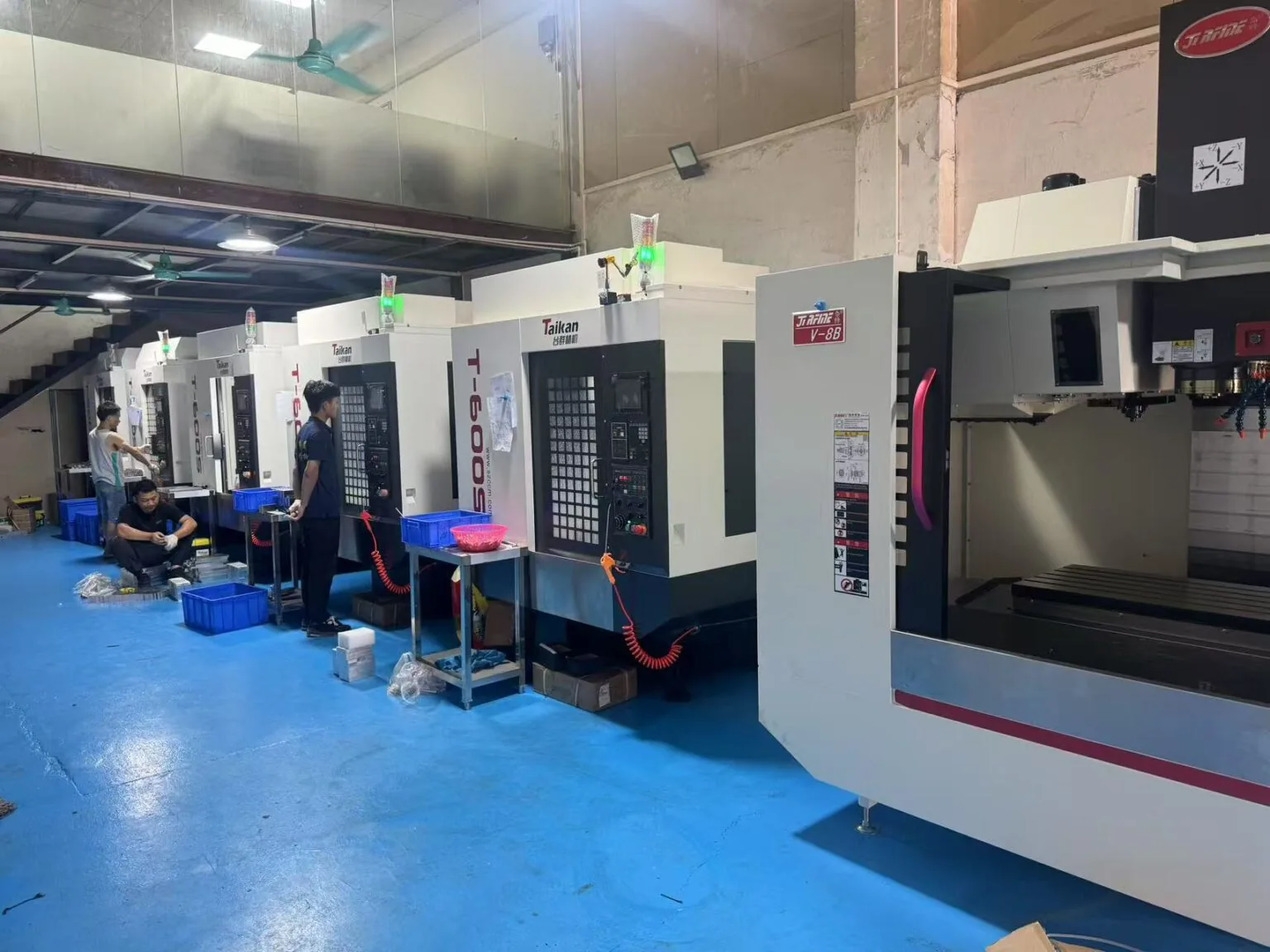
We machine custom parts in Dongguan: 3-axis and 4-axis milling, CNC turning, Swiss-type turning and sinker EDM, with wire EDM through a long-term partner. We quote in about 16 hours, have no MOQ, and send a DFM note with the price.
We are not ISO 9001 certified. We do not have 5-axis, a cleanroom, ISO 13485 or IATF 16949, and we do not claim PPAP. If your part needs those, we will say so before you send a PO.
If you want a supplier who will tell you what is expensive, what is ambiguous and what it cannot do, send the drawing. We will come back with a price and a DFM note, usually within 16 hours.
FAQ
What files do you need for a custom CNC quote?
A STEP model and a 2D drawing with the revision, material and temper, quantity now and annually, critical tolerances, finish and inspection requirement. If the part is cosmetic, send a physical finish sample.
What is the minimum order for custom CNC parts?
There is no MOQ at GY. We machine one part or 10,000. For a single part, programming and setup dominate the price; for a batch, material and cycle time dominate.
How long does a custom CNC part take?
A quote is usually about 16 hours. Simple parts can be machined in 5–10 working days; complex parts with several setups can take 15–25 working days. Add finishing, inspection, packing and shipping.
Can you match a specific anodised colour?
We can work to a physical sample or a defined voltage and finish. Anodising colour depends on alloy, surface finish and bath; a photo is not a colour reference. Approve a coupon in the shipping finish.
Do you provide first article inspection reports?
Yes. We can provide a dimensional report, CMM data for critical features, material certificate, finish certificate and photos. Agree the report format and sample size before the batch.
Can you ship DDP?
Yes, through a freight forwarder. DDP includes carriage and import duty, so compare it with your local landed cost, not the ex-works price.