
High-volume machining
A high-volume CNC order is not a prototype order with a bigger quantity. The price, the fixture, the inspection plan, the material supply and the capacity reservation all change. This guide is for buyers moving from 1,000 to 100,000 parts a year, and for the purchasing team comparing a China supplier with a local one.
Who this is for: OEMs and contract manufacturers sourcing 3-axis/4-axis machined parts at 1,000â100,000 pieces per year, where the drawing is stable and the supplier must hold price, quality and delivery across repeat orders.
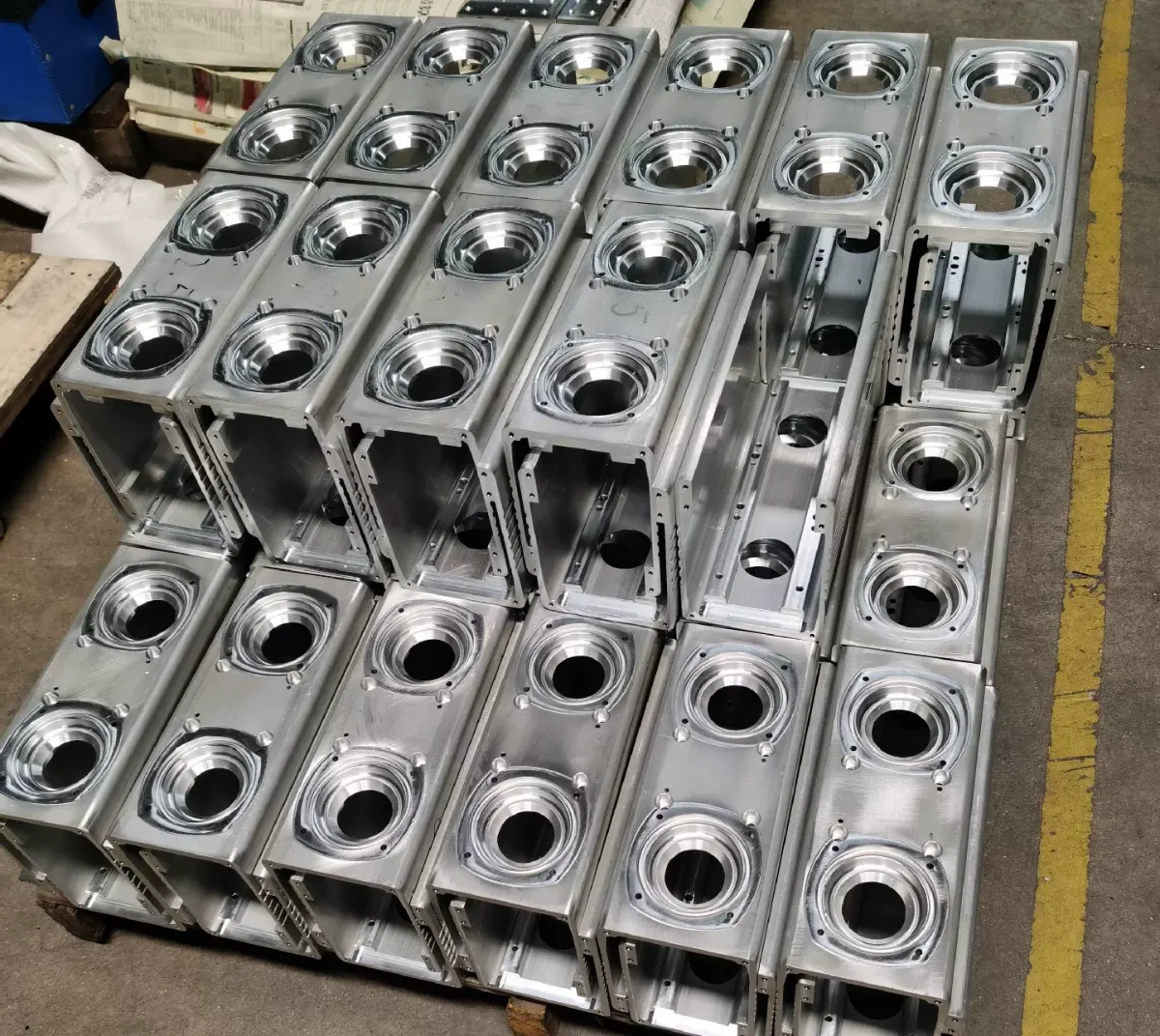
Quick answer: what changes at high volume
- Price: setup is spread over the batch, so the unit price can fall sharply from 10 to 1,000 pieces. From 1,000 to 10,000, the gains come from cycle time, fixtures and material yield, not from negotiating the hourly rate.
- Capacity: the supplier must have the machines, fixtures and people to hold the schedule, not just one machine that can make the part.
- Quality: first article, in-process checks and final sampling replace âinspect every partâ. The inspection plan is agreed before production.
- Supply: material, finishing and packaging must scale with the batch. A partner anodiser can become the bottleneck.
- Contract: forecast, capacity hold, price review, scrap/rework policy and second-source plan belong in the agreement.
- Certification: if your customer requires ISO 9001, IATF or PPAP, check it before the RFQ. GY is not ISO 9001 certified and does not claim PPAP; we say that early.
What counts as high volume?
âHigh volumeâ is relative to the part. A 20 kg housing at 2,000 pieces a year is high volume; a 2 g pin at 200,000 pieces is also high volume. What matters is the ratio of setup and fixture cost to the annual quantity, and whether the supplier can repeat the process month after month.
| Stage | Typical annual quantity | What drives the price | What the buyer should ask for |
|---|---|---|---|
| Prototype | 1â50 | Programming and setup | Speed, DFM feedback, one good part |
| Low volume | 50â1,000 | Setup spread, material, cycle time | Repeatable process, first article |
| Production | 1,000â10,000 | Fixtures, cycle time, yield, finishing | Capacity, inspection plan, price roadmap |
| High volume | 10,000â100,000+ | Dedicated fixture, material contract, uptime | Capacity reservation, second source, annual cost-down |
At 1,000 pieces, a supplier can still run the part on a general-purpose machine and absorb the setup. At 10,000, the fixture and programme become an asset; at 100,000, the material supply, finishing capacity and machine uptime decide whether the price holds.
How unit price falls with volume
The cost curve is not a straight line. Setup falls quickly, then material and cycle time dominate. A supplier who quotes 10,000 pieces at the same rate as 100 pieces is either not quoting seriously or is hiding the setup in the unit price.
| Quantity | Setup share of unit price | What dominates | What can still be improved |
|---|---|---|---|
| 10 | 40â60% | Programming, fixture, first-off | Design for fewer setups |
| 100 | 15â25% | Setup + material + cycle time | Fixture, stock size, tolerance |
| 1,000 | 3â8% | Material, cycle time, finishing | Cycle time, yield, rack density |
| 10,000 | under 2% | Material contract, uptime, yield | VA/VE, automation, packaging |
These percentages are planning ranges, not a quote. The point is the shape: at low volume, the setup is the price; at high volume, the process is the price. A 10% cycle-time reduction at 10,000 pieces is worth more than a 10% discount on the setup.
The seven levers that actually move a volume price
- Cycle time. Fewer tools, fewer passes, a fixture that lets the machine cut instead of wait. This is the biggest lever after setup is amortised.
- Fixture design. A multi-part fixture or a pallet can cut load/unload time and keep the operator at the machine. At volume, the fixture is part of the process, not a one-off cost.
- Material yield. Standard stock sizes, nesting, and a mill order instead of cut-to-size can reduce scrap and lead time.
- Tolerance. A ±0.05 mm callout on every face adds inspection and scrap. Keep tight tolerance on the features that function.
- Finishing. Anodising and plating are priced by rack, batch and handling. Rack density and batch size can matter more than the chain of processes.
- Inspection. At volume, agree sampling and in-process checks. 100% CMM inspection is rarely necessary and can double the unit cost.
- Freight and packaging. At 10,000 pieces, the carton, pallet and freight mode are part of the landed cost. A slightly higher part price with better packing can be cheaper landed.
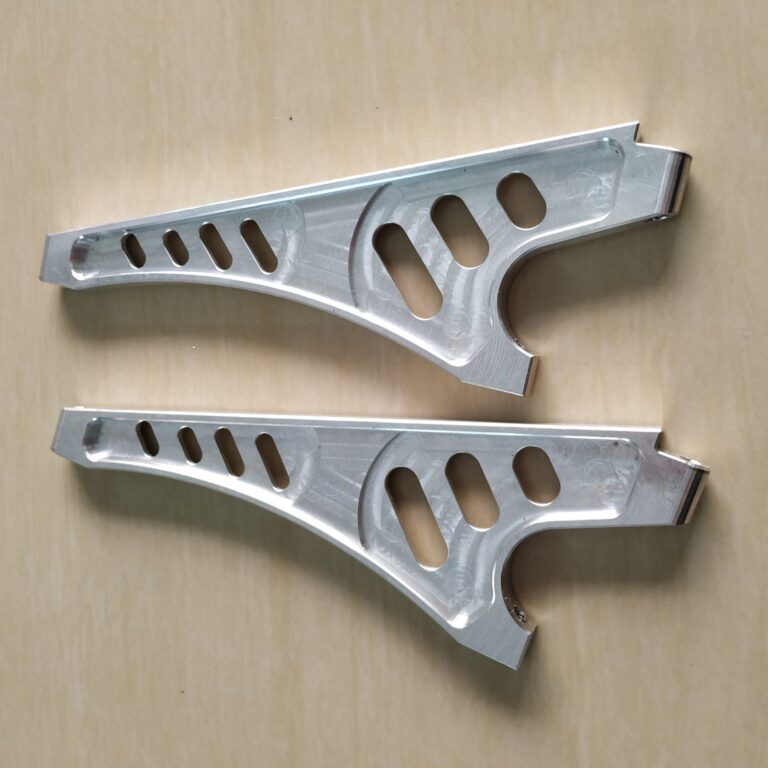
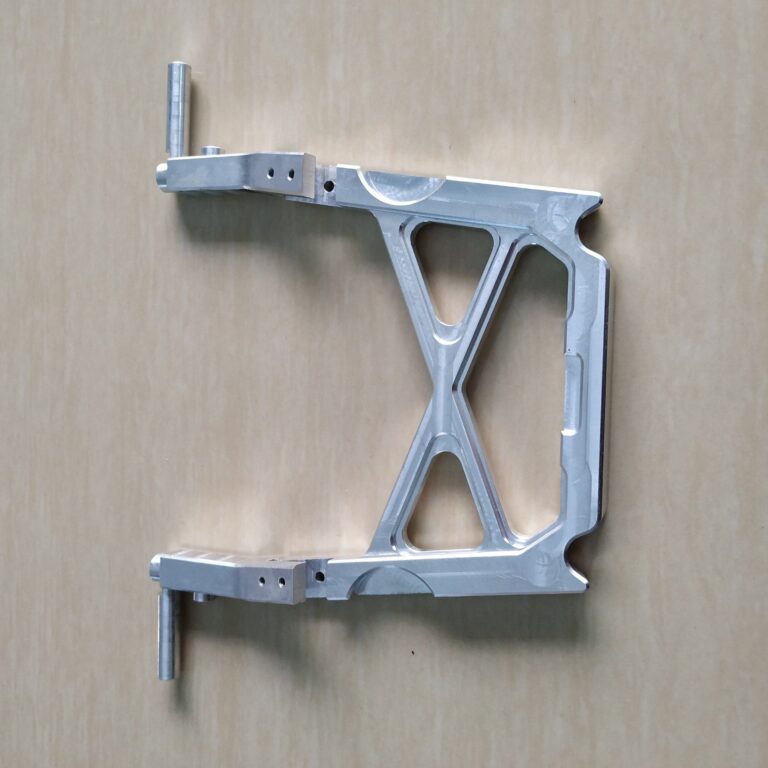
A worked cost model: 1,000 vs 10,000 vs 50,000
Numbers make the volume discussion concrete. The table below is an illustrative 6061-T6 aluminium housing, 1.2 kg blank, two setups, black anodised, with a first article and a final sample inspection. It is not a quote; it shows which cost lines move with volume.
| Cost line | 1,000 pcs | 10,000 pcs | 50,000 pcs | Why it moves |
|---|---|---|---|---|
| Material | 6.50 | 5.80 | 4.90 | Mill order, standard stock, better yield |
| Machining | 12.00 | 9.50 | 7.80 | Fixture, cycle time, tool life, learning |
| Setup | 2.50 | 0.40 | 0.10 | Spread over the batch |
| Anodising | 2.80 | 2.20 | 1.90 | Rack density, batch size |
| Inspection + packing | 1.70 | 0.80 | 0.55 | Sampling instead of 100%, better packing |
| Ex-works total | 25.50 | 18.70 | 15.25 | Before freight, duty and your time |
The drop from 1,000 to 10,000 is mostly setup and process maturity. The drop from 10,000 to 50,000 is mostly material, cycle time and finishing density. That is why a supplier who only negotiates the hourly rate leaves most of the volume saving on the table.
Two more examples, to show how the mix changes by part type. A silver-plated telecom cavity at 5,000 pieces is dominated by material, cavity machining and plating; the setup is almost irrelevant. A cosmetic consumer enclosure at 50,000 pieces is dominated by the anodising batch, cosmetic yield and packaging; a small scratch rate can erase the machining saving. The cost model has to be built per part family, not copied from a template.
Capacity planning: machines, fixtures and finishing
Capacity is not a single number. It is the combination of machines, fixtures, programmers, inspectors and finishing partners that can deliver your monthly schedule without pushing every other job aside.
At GY, the machine base is 32 CNC machining centres (19 four-axis), 18 lathes (10 Swiss-type) and 6 sinker EDM machines, with wire EDM through a long-term partner. That is enough to run a family of parts across several machines, but the right question is not âhow many machines do you have?â It is âwhich machines, fixtures and shifts will run my part, and what happens when one is down?â
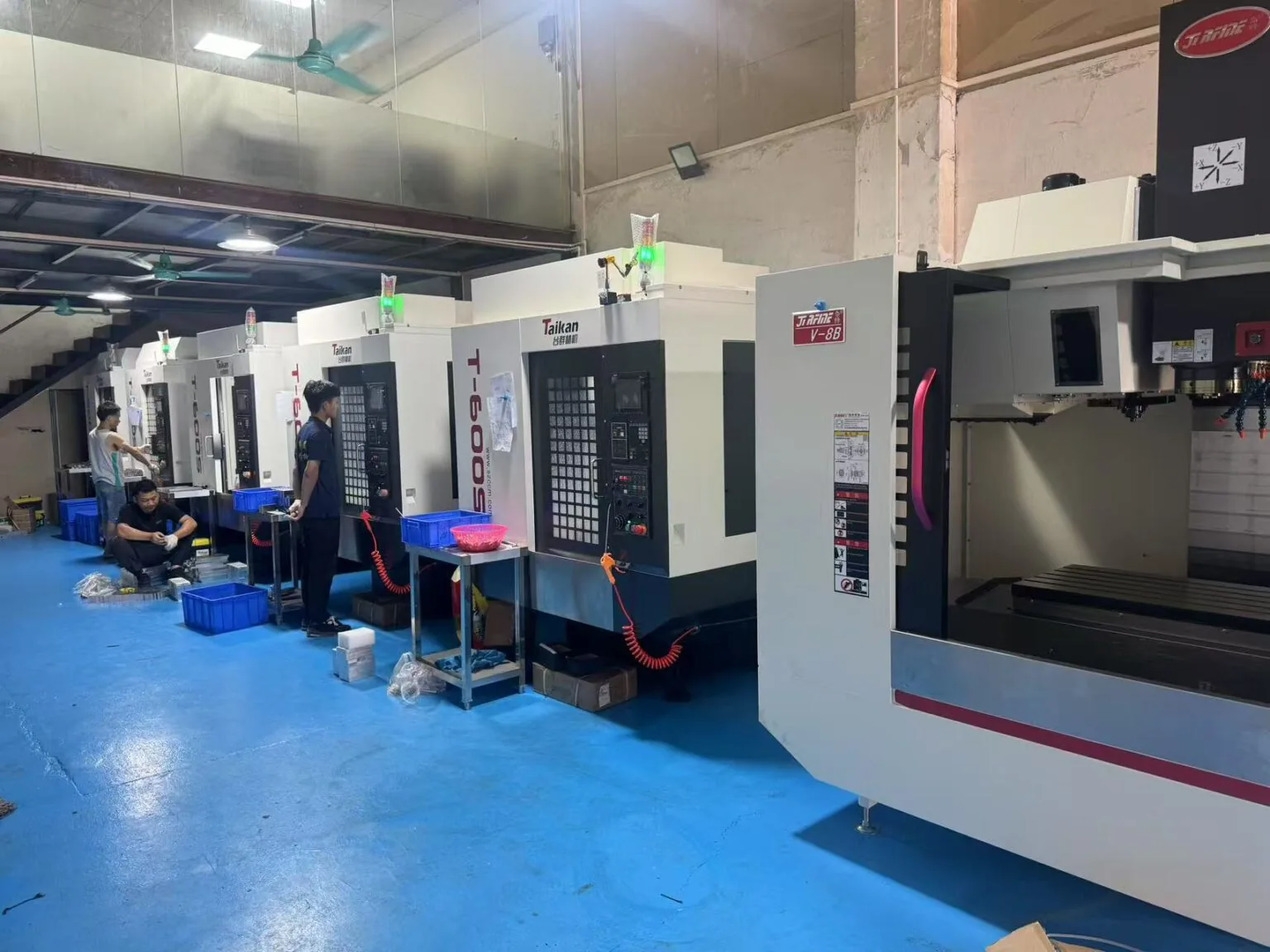
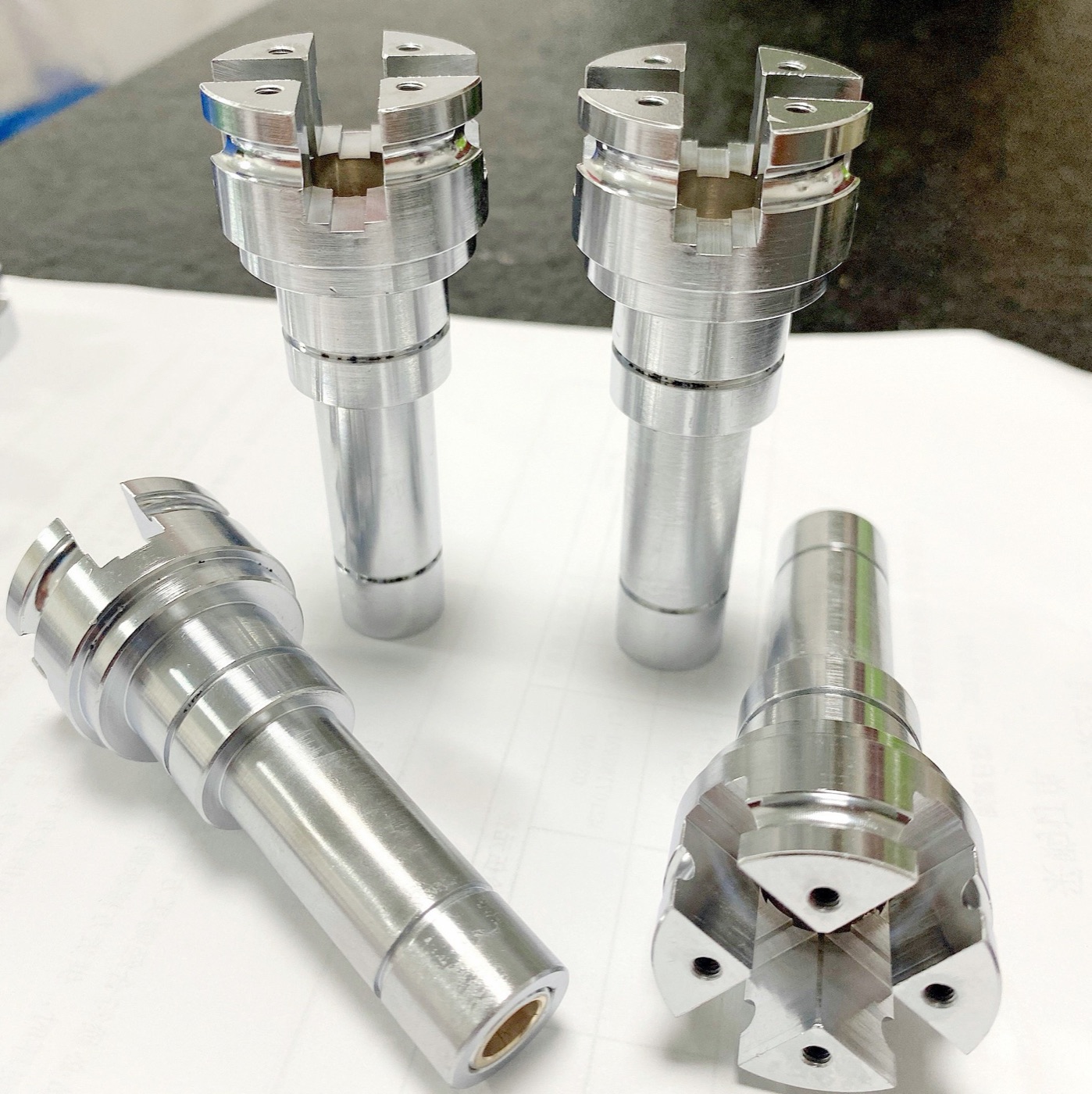
Fixtures. A volume job needs a fixture that is quick to load, repeatable and safe. Ask whether the fixture is dedicated, who owns it, and what happens if you move the part to a second source. A supplier who will not discuss fixture ownership is a supplier who has not done volume work.
Programming and documents. The programme, setup sheet, tool list and inspection plan should be kept with the part record. When the operator changes or the batch repeats six months later, the process should not depend on one personâs memory.
Finishing capacity. Anodising, plating and powder coating are often at partner plants. At volume, the finishing line can be the bottleneck, especially before a holiday. Ask for the rack size, batch size and lead time, not just the finish price.
Material. A mill order or a standard stock size can reduce cost and lead time. If the part uses 7075, titanium or a special plastic, confirm the mill lead time before you promise a delivery date.
Capacity math you can check before you commit
âWe can make 10,000 piecesâ is not a capacity plan. Ask for the cycle time, the number of parts per cycle, the machine hours and the uptime assumption. Then do the arithmetic yourself.
| Cycle time per part | Machine hours for 10,000 pcs | Machines for a 12-week run* | What it means |
|---|---|---|---|
| 3 min | 500 h | 1 | One machine can carry the order |
| 5 min | 833 h | 2 | One machine plus buffer, or two machines |
| 10 min | 1,667 h | 3 | Needs a dedicated cell or a longer window |
| 20 min | 3,333 h | 5 | Capacity becomes the project constraint |
*Assumes 16 hours/day, 5 days/week, 12 weeks, and 75% uptime. One machine gives about 720 productive hours in that window. If the part runs two per fixture, divide the cycle time per part accordingly; if the cycle time is 10 minutes for two parts, it is 5 minutes per part.
This is the conversation to have before you promise a launch date. If the arithmetic says five machines for 12 weeks, the supplier either needs a longer window, a second source or a different process. A supplier who says âno problemâ without showing the math is guessing.
Fixtures, programming and tool life
At volume, the fixture is part of the price. A cheap fixture that takes 30 seconds longer to load costs 83 hours at 10,000 pieces; a good fixture that costs more upfront can pay for itself in the first batch.
- Dedicated vs shared. A dedicated fixture holds the datum, reduces load time and protects the part. A shared fixture is cheaper but may not repeat as well at volume.
- Multi-part fixture. Two, four or more parts per cycle can cut the machine time per part and improve consistency, if the fixture is rigid and the chips clear.
- Quick-change and pallets. If the part family has variants, a pallet or quick-change system reduces changeover and keeps the machine cutting.
- Probing and datum control. In-machine probing can check the fixture and the first part without removing it; it is not a substitute for a CMM, but it catches setup drift early.
- Program and setup sheet. The programme, tool list, offsets and inspection plan should be kept with the part record. A process that depends on one programmerâs memory is a risk at volume.
- Tool life. At 10,000 pieces, a cutter that lasts 20% longer is a real saving. Ask how tool life is monitored and when the cutter is changed.
Ask who owns the fixture. If you pay for it, you should own it, and it should be able to move to a second source. If the supplier owns it, the price should reflect the amortisation and the fixture should be dedicated to your part, not shared with a competitor.
Material strategy at volume
Material is often the largest single line at high volume, and it is the line buyers negotiate least. A mill order, a standard stock size or a different temper can change the price and the lead time.
- Standard stock vs mill order. A standard plate or bar size avoids a mill lead time; a mill order can be cheaper per kilo at 20,000+ pieces, but it ties up cash and needs a deposit.
- Yield and nesting. A small change in part orientation or blank size can improve yield by 5â10%. Ask for the blank size and the yield assumption in the quote.
- Certificate and traceability. Keep the heat/lot with the batch. If the part is safety-related, do not accept a generic âaluminiumâ certificate.
- Material condition. Temper, stress relief and flatness matter. A plate that is not stress-relieved can move after machining, especially on thin walls.
- Plastics and titanium. PEEK, POM, G10 and titanium have different stock availability and lead times; confirm the mill lead time before you promise a delivery date.
- Price index. Aluminium and titanium prices move. An annual price review should reference a material index, not a vague âmarket priceâ.
At volume, ask for the material certificate with the production report, not after the parts ship. A missing certificate can hold up your incoming inspection and your customerâs approval.
Finishing at volume: the bottleneck nobody quotes
Machining capacity is easy to count; finishing capacity is not. Anodising, plating and powder coating are batch processes with rack sizes, tank sizes and colour changes. At 10,000+ pieces, the finishing line can decide the delivery date.
| Finish | What drives the volume price | What to agree before the batch |
|---|---|---|
| Anodising (Type II) | Rack density, batch size, colour change, masking | Colour sample, gloss, thickness, masking plan |
| Hard anodising (Type III) | Thickness, rack time, alloy, masking | Pre-finish size, bore/thread allowance, thickness |
| Silver plating | Rack density, thickness, pre-treatment, masking | Thickness, adhesion test, masking, shelf life |
| Powder coating | Batch colour, part size, racking, cure | Colour, gloss, thickness, edge coverage |
| Bead blasting | Batch size, media, coverage | Ra range, uniformity, masking |
Ask for the rack size and the batch size. A finishing partner that runs a 2 m rack once a week may not be able to support a 10,000-piece launch in four weeks. Ask how colour changes are handled; a small colour batch may be scheduled after a large batch, adding days.
For cosmetic parts, a limit sample is not optional. Anodising colour depends on alloy, surface finish and bath; a photo is not a reference. Approve a physical sample under the light where the product will be used, and state the acceptable range in writing.
High-volume parts by industry: robotics, telecom and consumer electronics
Generic volume advice fails because the bottleneck changes by industry. A robot joint is limited by bearing bores and pair matching; a telecom filter is limited by cavity depth, flatness and plating; a consumer enclosure is limited by cosmetic yield and anodising colour. The machine may be the same, but the process and the inspection plan are not.
Robotics: joint housings, actuator mounts and leg saddles
Robotics volume is usually high-mix, mid-volume: 1,000â20,000 pieces a year per part family, with several variants of the same housing. The critical features are the bearing bore, the actuator bolt pattern, the mating face and the left/right pair. A 0.03 mm difference between a pair can change bearing preload and the feel of the joint.
Materials are usually 6061-T6 or 7075-T6 aluminium, with stainless or titanium where weight or corrosion matters. Anodising is common, and the bore must be masked or machined for the post-finish fit. The fixture should hold the part on the bearing datum, not on the outside profile. If the geometry needs 5-axis, we will say so: GY does not have 5-axis, and a 3/4-axis setup is the wrong route for a true 5-axis impeller or a deep compound-angle port.
What to send: the assembly or mating parts, the bearing supplierâs interface drawing, the datum scheme, the pair-matching requirement and the annual volume by variant. A robot buyer who sends only the housing drawing usually gets a price for the housing, not for the joint.
| Part family | Critical feature | Common failure | What to agree |
|---|---|---|---|
| Joint housing | Bearing bore, mating face | Bore distortion after anodising | Mask the bore; machine for post-finish size |
| Actuator mount | Bolt pattern, flatness | Pattern shift, thread pull-out | Position callout, thread depth |
| Leg saddle | Pair match, angle | Left/right mismatch | Machine the pair from one setup |
| Sensor bracket | Position, stiffness | Chatter, thin-wall deflection | Fixture, wall thickness, finish pass |
| Battery tray | Flatness, weight | Warp after machining | Stress relief, machining sequence |
Telecom: RF cavities, filter housings, heat sinks and waveguide flanges
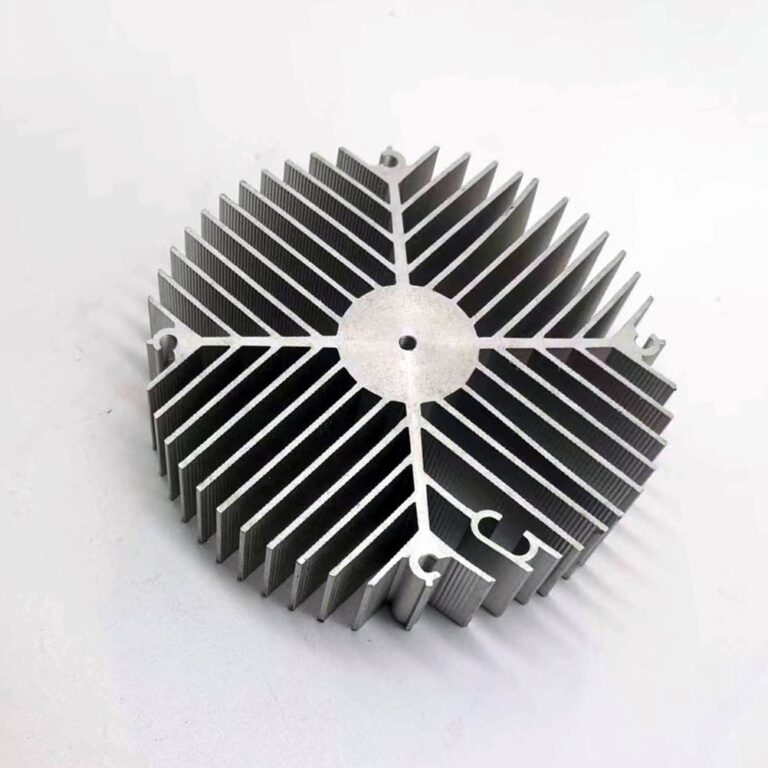
Telecom parts are often 1,000â50,000 pieces a year, with a long product life and a high cost of failure. Typical parts are RF cavity filters, duplexer housings, filter lids, pin-fin heat sinks, waveguide flanges and antenna mounting hardware. Materials include 6061/7075 aluminium, copper and brass; finishes include silver plating, anodising and chromate conversion.
The critical requirements are cavity depth and flatness, surface finish, plating thickness, masking and dimensional stability after finishing. A cavity that is 0.05 mm too deep can shift the passband; a flange face that is not flat can leak. The machining is only half the job: the plater and the assembly process decide whether the part works.
We machine to the drawing and can provide CMM data, material certificates and finish certificates. We do not do RF design or tuning, and we do not have a cleanroom. If your filter requires tuning after assembly, plan that step with your own RF team or a qualified partner. At volume, the finishing line and the plating rack are often the bottleneck, not the machining centre.
| Part family | Critical feature | Common failure | What to agree |
|---|---|---|---|
| RF cavity | Depth, flatness, surface finish | Depth drift, flatness after plating | CMM before and after plating |
| Duplexer housing | Cavity, sealing face | Leak path, burr | Flatness, deburr, surface finish |
| Filter lid | Flatness, screw pattern | Warp, plating thickness | Stress relief, masking |
| Pin-fin heat sink | Fin width, base flatness | Fin deflection, base bow | Fixture, cutter, base lapping |
| Waveguide flange | Flatness, bore position | Burr in waveguide, misalignment | Deburr, CMM, mating check |
Consumer electronics: enclosures, heat spreaders, buttons and wearable housings
Consumer electronics is the highest-volume, most cosmetic category: 10,000â100,000+ pieces a year, with tight colour and surface requirements. Typical parts are aluminium enclosures, heat spreaders, camera rings, buttons, hinges, speaker parts and wearable housings. Materials include 6061/7075, stainless steel, titanium, POM, PEEK and PC.
The critical requirements are cosmetic finish, anodising colour match, tool marks, edge break, flatness and assembly fits. A scratch that is acceptable on a bracket is a reject on a visible enclosure. The inspection plan has to include the cosmetic criteria, not just dimensions, and the anodiser has to be part of the approval loop.
Anodising is not paint: the colour comes from the oxide thickness and the surface finish. A photo is not a colour reference. Approve a physical sample under the light where the product will be used, and state the gloss level. If the part is handled during assembly, specify protection and packaging; a cosmetic part can be damaged after it leaves the machine.
| Part family | Critical feature | Common failure | What to agree |
|---|---|---|---|
| Enclosure | Cosmetic, flatness | Tool marks, colour mismatch | Limit sample, anodising batch |
| Heat spreader | Flatness, thermal contact | Bow, surface scratch | Stress relief, individual packing |
| Camera ring | Concentricity, cosmetic | Chatter, edge chip | Tool, edge break, limit sample |
| Button | Fit, cosmetic | Sink, mismatch | DFM, sample, colour match |
| Wearable housing | Sealing face, cosmetic | Leak, scratch | Fixture, packing, leak test plan |
| Industry | Typical parts | Materials | Critical requirements | Volume | Bottleneck |
|---|---|---|---|---|---|
| Robotics | Joint housings, actuator mounts, leg saddles | 6061/7075, stainless, titanium | Bearing bore, pair matching, anodising fit | 1,000â20,000 | Bearing tolerance and fixture |
| Telecom | RF cavities, filter housings, heat sinks, waveguide flanges | 6061/7075, copper, brass | Cavity depth, flatness, plating, masking | 1,000â50,000 | Plating and finishing |
| Consumer electronics | Enclosures, heat spreaders, buttons, wearable housings | Aluminium, stainless, titanium, plastics | Cosmetic finish, colour match, flatness | 10,000â100,000+ | Cosmetic yield and anodising |
If you have parts in more than one of these categories, do not send them as one RFQ with one target price. Each category has a different inspection plan, finishing route and capacity profile. Separate the RFQ by family; you will get a more honest price and a more realistic lead time.
Quality at volume: what to agree before the first batch
At volume, inspection is a plan, not a promise. Agree the first article, the in-process checks, the final sample and the report format before the first production run.
- First article: the first part from the production setup, measured against the drawing, with CMM data for critical features.
- In-process: checks at agreed intervals (for example, every 50 or every hour) on the features that drift.
- Final inspection: a sample from the batch, plus visual checks for burrs, tool marks, finish and damage.
- Traceability: material certificate with heat/lot, finish certificate, and a link between the report and the batch.
- Non-conformance: what happens when a dimension is out; who decides rework, scrap or deviation; how the next batch is corrected.
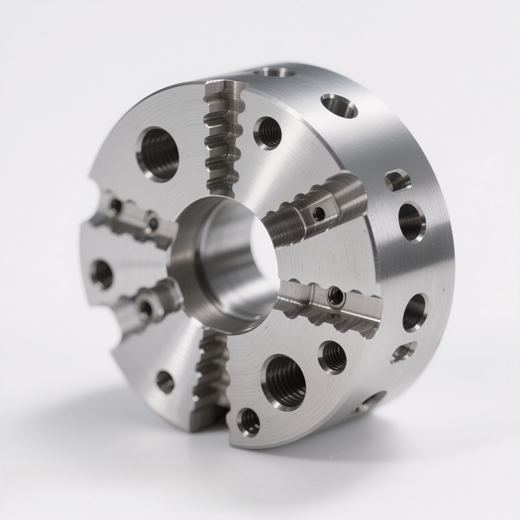
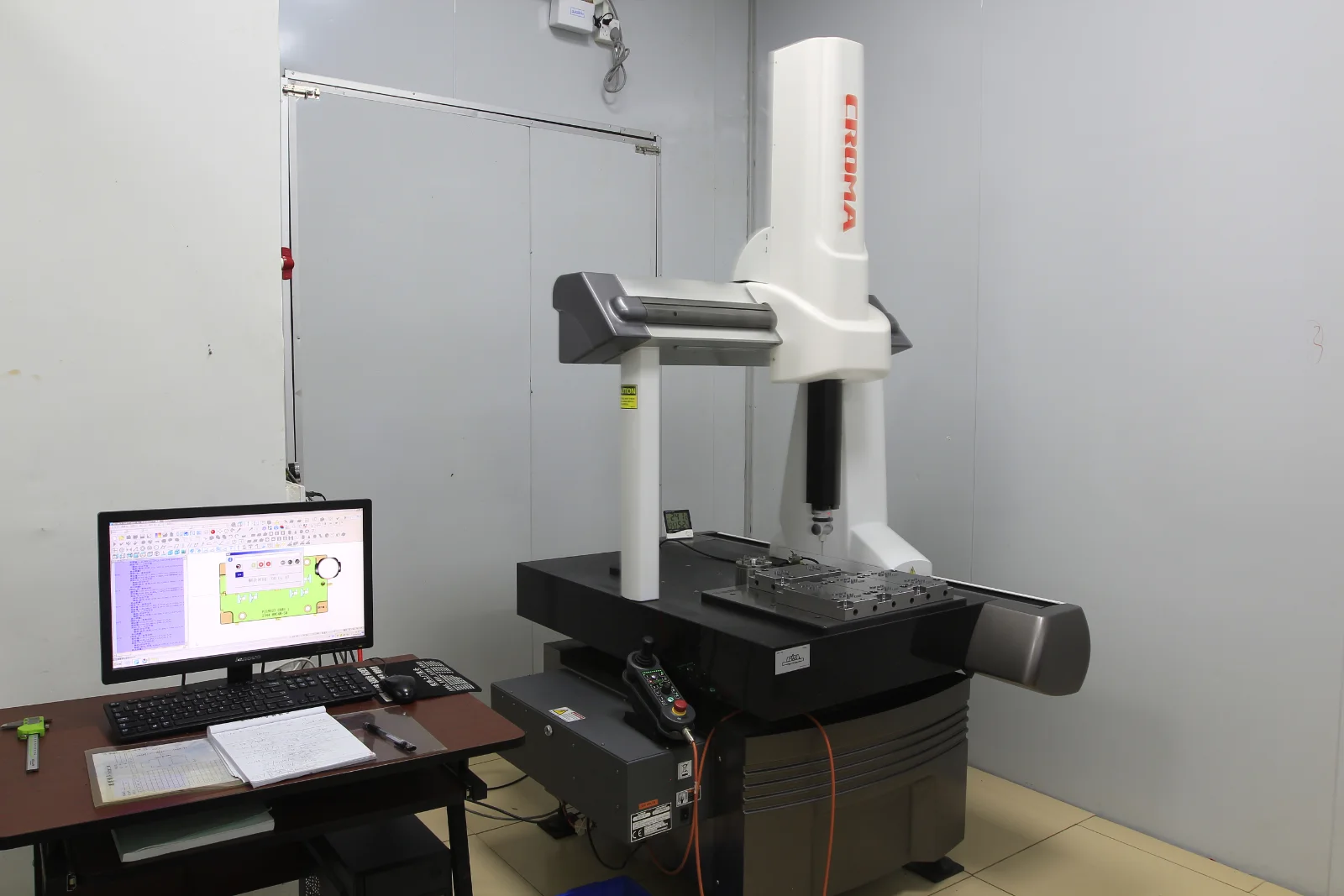
PPAP and ISO: a high-volume automotive or medical buyer may require PPAP, IATF 16949 or ISO 13485. GY does not provide PPAP, is not ISO 9001 certified, and does not have IATF or ISO 13485. We can provide FAI, dimensional reports, CMM data, material certificates and finish certificates. If your customer requires a certificate we do not hold, say so before the RFQ; we will tell you honestly whether we can serve the job.
12 checks before you place a high-volume order
- Machine list and capacity. Which machines will run the part, and how many hours per week are available?
- In-house vs partner. Which operations are subcontracted: anodising, heat treatment, wire EDM, plating?
- Fixture ownership. Who pays for the fixture, who owns it, and can it move if you change supplier?
- Programme and setup records. Will they be kept with the part, or lost when the programmer leaves?
- Material supply. Standard stock or mill order; what is the lead time at 10,000 pieces?
- Inspection plan. FAI, in-process checks, final sampling, CMM, report format.
- Certification boundary. ISO 9001, IATF, ISO 13485, PPAP, cleanroom: what do they actually hold?
- Scrap and rework policy. Who pays for scrap, who approves rework, how is the next batch corrected?
- Capacity reservation. Can they hold capacity for your forecast, and what happens if you reduce it?
- Lead time and buffer. Production lead time, finishing lead time, safety stock and expedite options.
- Cost-down plan. What will they improve after the first year: cycle time, fixture, material yield, packaging?
- Second source and risk. What happens if a machine breaks, a partner closes for a holiday, or freight is delayed?
- Capacity math. Can they show cycle time, parts per cycle and uptime, and the machine hours your volume needs?
- Tooling and tool life. Who owns the cutters and fixtures, and how is tool life monitored at volume?
- Material traceability. Can they tie the heat/lot certificate to the batch and the inspection report?
- Packaging and cosmetic protection. How are parts protected between operations, in the carton and on the pallet?
- Safety stock and inventory. Can they hold a buffer, where, and who pays for it?
- Escalation path. Who do you call when a batch is late or a dimension is out, and how fast do they respond?
- Audit and video tour. Can you visit, audit or see the machines and measuring room on a live video call?
- Exit plan. If you leave, can the fixture, programme and inspection plan move with the part?
Capacity reservation and annual agreements
At 10,000+ pieces a year, price is only one part of the deal. The buyer needs a supply plan: a rolling forecast, a firm PO window, a capacity hold, and a price review mechanism.
A practical structure:
- Rolling 3-month forecast for material and capacity planning, with a firm 30-day PO window.
- Capacity hold for the agreed monthly volume, with a cancellation or reduction notice period.
- Material prep for long-lead grades, with a deposit or commitment for mill orders.
- Annual price review tied to material index, volume and VA/VE savings, not a vague âbest priceâ.
- Second-source plan for a critical part: a qualified backup machine, fixture or supplier.
Do not sign a capacity reservation without a forecast and a cancellation clause. A supplier who reserves capacity for a forecast that never materialises will either raise the price or deprioritise the job.
Inventory, packaging and logistics at volume
At 10,000 pieces, the part price is only one line in the landed cost. Packaging, freight, duty, safety stock and the cost of a stock-out can be larger than a small price difference between two suppliers.
- Packaging. Cosmetic parts need individual protection, dividers or trays. A cheap carton that lets parts rub together can turn a good batch into scrap.
- Safety stock. Agree who holds the buffer, where, and who pays for it. A supplier-held safety stock is not free; it is a cost that should be visible.
- Kanban / VMI. For repeat parts, a kanban or vendor-managed inventory can reduce your stock while keeping the line supplied. It needs a clear min/max, a consumption signal and a review cadence.
- Shipping mode. Air freight is fast and expensive per kilo; sea freight is slower and cheaper for bulky parts. For a launch, air-freight the first batch and sea-freight the repeat orders.
- Incoterm. EXW, FOB, DAP and DDP allocate cost and risk differently. Compare DDP landed cost, not ex-works price.
- Customs documents. Invoice, packing list, B/L or AWB, certificate of origin and product certificates should match the shipment. A document error can hold the batch longer than a machining delay.
| Landed cost element | Who usually pays | How to reduce it |
|---|---|---|
| Part price | Buyer | Cycle time, fixture, material yield |
| Freight | Buyer or seller, per Incoterm | Consolidation, sea vs air, carton efficiency |
| Duty and clearance | Buyer on DAP; seller on DDP | Correct HS code, certificate of origin |
| Inventory | Buyer or supplier, per agreement | Kanban, safety stock, forecast accuracy |
| Incoming inspection | Buyer | Supplier FAI, sampling, certificate package |
| Stock-out risk | Buyer | Second source, buffer, capacity reservation |
A three-year cost-down roadmap
A volume price should not be static. The first year is about stabilising the process; the second year is about removing waste; the third year is about design and supply-chain changes. Put the roadmap in the contract, not in a conversation.
| Year | Main levers | Typical impact* | What the buyer must do |
|---|---|---|---|
| Year 1 | Fixture, cycle time, tool life, scrap | 5â8% | Approve the process, share volume forecast |
| Year 2 | Material yield, tolerance review, packaging, finishing density | 3â5% | Allow VA/VE changes, approve samples |
| Year 3 | Design change, second source, logistics, inventory | 2â4% | Share the roadmap, qualify a second source |
*Planning ranges, not a guarantee. The actual saving depends on the part, the volume and how much design freedom the buyer gives. A supplier who promises 15% every year without a plan is not being honest.
The best cost-down ideas usually come from the shop floor: a fixture that loads two parts, a tool that lasts longer, a tolerance that can be opened, a packing method that uses less labour. Ask for a quarterly review with three specific ideas, not a vague âwe will tryâ.
Three volume examples (illustrative)
The examples below are planning examples, not customer quotes. They show the pattern: the first constraint is rarely the machine; it is the fixture, the finishing line or the cosmetic yield.
1. Robot joint housing: 500 to 8,000 pieces a year
The part is a 6061-T6 joint housing with a bearing bore, an actuator bolt pattern and a left/right pair. At 500 pieces, the shop machines on a general fixture and checks the bore on the CMM. At 8,000, the fixture is dedicated, the pair is machined from the same setup, and the anodiser masks the bore. The bore is machined for the post-anodising fit, not before it. The result is a stable pair, a shorter load time and a lower scrap rate; the unit price falls because the process is repeatable, not because the hourly rate changed.
2. Telecom cavity: 2,000 to 20,000 pieces a year
The part is a 6061 RF cavity with a silver-plated interior. At 2,000, the cavity depth and flatness are checked on the CMM, and the plater racks one batch at a time. At 20,000, the cavity is machined on a dedicated fixture, the plating rack is designed for the part, and the flatness is checked after plating, not only after machining. The bottleneck moves from the machining centre to the plating line. The buyer who plans the plating rack early gets the delivery date; the buyer who treats plating as an afterthought gets the delay.
3. Consumer enclosure: 10,000 to 50,000 pieces a year
The part is a 7075 aluminium enclosure with a cosmetic anodised finish. At 10,000, the cosmetic criteria are agreed on a limit sample, and the parts are packed individually. At 50,000, the anodising batch size and colour change become the constraint, and the packaging line has to keep up. A small scratch rate that was acceptable at 10,000 becomes a major cost at 50,000. The fix is not âinspect moreâ; it is handling, racking and packing designed for the volume.
In all three examples, the volume price is a process price. The machine is necessary, but the fixture, the finishing route and the inspection plan decide whether the price and the delivery hold.
What to send for a high-volume CNC quote
- 3D model and 2D drawing with the latest revision.
- Annual volume and monthly forecast; say which part of the forecast is firm.
- Material, temper and certificate requirement.
- Critical tolerances and datums; general tolerance for the rest.
- Finish, colour and a physical sample if cosmetic.
- Inspection requirement: FAI, CMM, material cert, finish cert, sampling plan.
- PPAP/ISO requirement, if any.
- Target price and the current supplierâs pain point (price, lead time, quality, communication).
- Delivery destination and Incoterm; ask for DDP if you want a landed comparison.
- Target start date and the date you need the first production batch.
Ask for a cost breakdown: material, machining, setup, fixture, finishing, inspection, packaging and freight. A single number cannot be improved; a breakdown can.
Common mistakes on high-volume orders
- Quoting 10 pieces and expecting a 10,000 price. The setup and fixture are not free; ask for both quantities.
- No forecast. A supplier cannot reserve capacity for a number you will not share.
- Over-specifying tolerance. Tight tolerance on non-functional faces adds inspection and scrap at every piece.
- Ignoring fixture cost. A cheap fixture that takes 30 seconds longer to load costs more at 10,000 pieces than a good fixture.
- No FAI or sampling plan. A batch made before the process is approved is a batch at risk.
- No finishing plan. The anodiser, not the machining shop, can be the bottleneck.
- Choosing the lowest price. The lowest price often has the most assumptions; the line-down cost is higher.
What GY does, and what we do not
How we work is part of the offer. We tell you where we are not the right fit before you spend time on an audit. We quote the process, not just a part price: fixtures, setup count, finishing route and inspection plan are in the quote. We keep the fixture and programme with the job so the next batch starts from a known process. We plan finishing as part of the lead time, not as an afterthought. And we do not quote a 10,000-piece price from a 10-piece drawing.
We machine 3-axis and 4-axis parts, turn parts, run Swiss-type work and sinker EDM, with wire EDM through a long-term partner and 35+ finishes through partner plants. We quote in about 16 hours, have no MOQ, and can plan a production family across 32 machining centres (19 four-axis), 18 lathes (10 Swiss) and 6 sinker EDM machines.
We are not ISO 9001 certified. We do not have 5-axis, a cleanroom, ISO 13485 or IATF 16949, and we do not claim PPAP. If your volume order requires those, we will say so before you spend time on an audit.
We are a good fit for 1,000â100,000 pieces a year in aluminium, stainless, titanium and engineering plastics, where the geometry is 3/4-axis and the drawing is stable. If that is your part, send the drawing, the annual volume and the target price; we will come back with a process, a price and a DFM note.
FAQ
What is considered high volume for CNC machining?
It depends on the part, but 1,000â10,000 pieces a year is production volume and 10,000â100,000+ is high volume. The key is whether the setup and fixture cost are small relative to the annual quantity, and whether the supplier can repeat the process.
How much does high-volume CNC machining cost in China?
It depends on material, cycle time, tolerance, finish, inspection and quantity. At volume, setup is a small share of the unit price; material, cycle time, yield and finishing dominate. Send the drawing and annual volume for a real quote.
How do I get the unit price down?
Reduce cycle time, improve the fixture, use standard stock, relax non-functional tolerances, increase rack density for finishing, and agree a sampling plan instead of 100% inspection. A 10% cycle-time reduction at 10,000 pieces is usually worth more than a 10% discount on setup.
Can you reserve capacity for a large order?
Capacity can be planned against a rolling forecast and a firm PO window, with a capacity hold and a cancellation notice period. We will confirm the machine, fixture and shift plan before the reservation.
What is the lead time for 10,000 parts?
It depends on cycle time, number of machines, finishing and material. A simple part can run in days per batch; a complex part with several setups takes longer. We plan the batch size and shipping schedule with you rather than quote one blanket lead time.
Do you provide PPAP?
No. GY is not ISO 9001 certified and does not claim PPAP or IATF 16949. We can provide FAI, dimensional reports, CMM data, material certificates and finish certificates. If your customer requires PPAP, tell us before the RFQ.
Can you handle finishing at volume?
Yes, through partner plants for anodising, plating and powder coating. At volume, the finishing line can be the bottleneck, so we confirm rack size, batch size and lead time with the finisher before committing to a delivery date.
How many parts can you make per month?
It depends on cycle time, parts per cycle, machine hours and uptime. Send the drawing and annual volume; we will show the machine hours and the machine count for your schedule rather than quote a number without the math.
Can you hold safety stock?
We can discuss a buffer, but it is not free. Agree the min/max, who holds the stock, who pays for it and how it is replenished. For repeat parts, a kanban or vendor-managed inventory may be a better fit than a large one-off batch.
How do you protect cosmetic parts at volume?
With a limit sample, agreed cosmetic criteria, individual protection, dividers or trays, and handling rules between operations. A cheap carton that lets parts rub together can turn a good batch into scrap.
What scrap rate should I expect?
It depends on the part, material and process. Ask for the scrap allowance in the quote and for data from a similar part. A supplier who promises zero scrap on a new high-volume part is not being realistic.
What do you need for a volume quote?
The 3D model and drawing, annual volume and monthly forecast, material and temper, critical tolerances, finish, inspection requirement, PPAP/ISO requirement, target price and delivery destination. A cost breakdown helps both sides improve the price.
Related reading
- CNC machining China: cost, lead time, quality and IP
- Custom CNC parts from China: RFQ to delivery
- CNC machining cost in China: 2026 price guide
- 12 checks before you choose a CNC supplier
- How to read a first article inspection report
- CNC machining in China: the service page
- Robotics machining · Telecom machining · Consumer products machining
- From 50 to 5,000 parts: how CNC unit price actually falls
- China CNC machining manufacturers: how to shortlist