
CNC Machining Polycarbonate
Polycarbonate is the transparent plastic that does not shatter. That combination — optical clarity plus genuine impact resistance — is why machine guards, covers, windows and protective housings are made from it. Machined polycarbonate has one enemy, and it is not the cutter: it is the stress concentration.
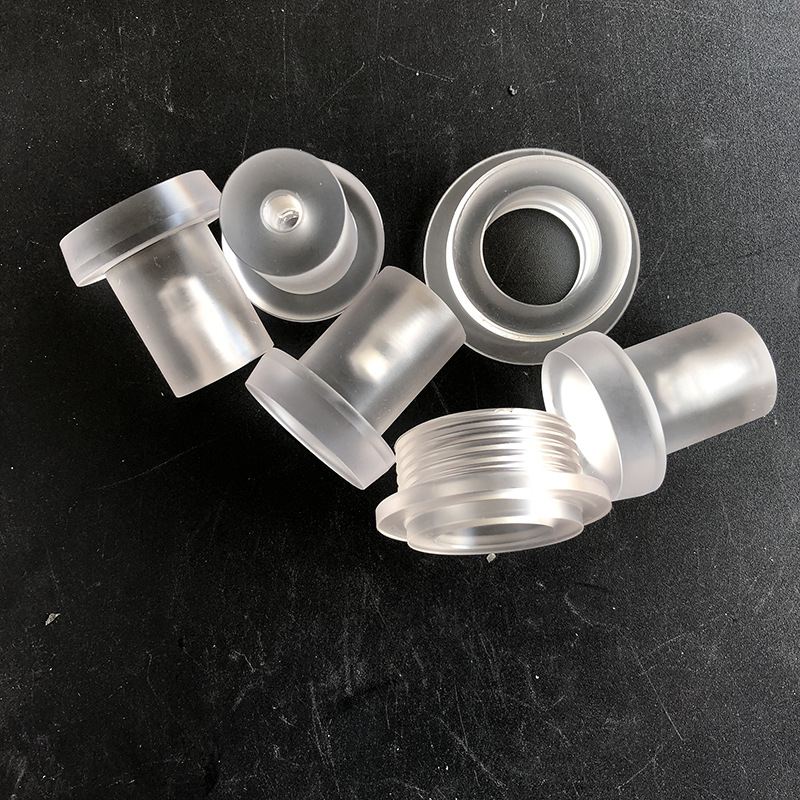
Grades and forms
Cast sheet machines better than extruded sheet, and the difference shows on thick or tightly toleranced parts.
| Form | Best for | Notes |
|---|---|---|
| Cast polycarbonate sheet | Machined parts, thick sections | Lower internal stress, machines and finishes better, less prone to cracking |
| Extruded sheet | Thin flat parts, low cost | Higher internal stress; more likely to craze or crack at machined edges |
| UV-stabilised grades | Outdoor covers and guards | Resists yellowing in sunlight |
| Flame-retardant grades | Electrical enclosures | Specify explicitly if a rating is required |
It cuts easily and cracks where you least expect it
Polycarbonate machines readily with sharp tooling and high speeds. The heat of cutting is the first thing to manage: too slow a feed melts rather than cuts, leaving a smeared edge that is both ugly and a crack initiator.
The real issue is stress. Polycarbonate carries internal stress from manufacture and concentrates applied stress at any sharp feature. A square internal corner, a drilled hole close to an edge, or a fastener torqued directly onto the plastic will all start cracks — sometimes weeks later, in service, which is the worst possible time to find out.
Annealing before or after machining relieves much of that stress and is worth specifying on critical clear parts. Solvents are the other hazard: many cleaners, adhesives and coolants craze polycarbonate on contact, so parts are cleaned and packed accordingly.
| At a glance | |
|---|---|
| Service temperature | Around 115 °C |
| Optical | Transparent; edges can be flame or vapour polished for clarity |
| Impact | Far higher than acrylic — the reason it is used for guards |
| Weakness | Stress cracking at sharp features; attacked by many solvents |
| Typical parts | Machine guards, covers, windows, lenses, protective housings |
Three rules for a polycarbonate part that lasts
Radius every internal corner
A sharp internal corner in polycarbonate is a crack waiting for a reason. This single change prevents most field failures.
Keep holes away from edges, and do not over-torque
Bolts clamped directly onto polycarbonate craze it. Use washers, shoulders or inserts and leave material around every hole.
Say if the part must be optically clear
Clear parts need edge polishing and careful handling through the shop, and that belongs in the quote rather than being assumed.
Finishes that work on polycarbonate
Clarity is the finish that matters: edges can be polished, and protective film is left on where possible until delivery.
Finishing is done by partner shops we specify and inspect for — we do not run plating or coating tanks ourselves. How we handle finishing →
Send the guard or cover drawing
Send the drawing and the grade, or the drawing and a sentence about what the part has to survive. You get a price, a lead time, and an engineer’s note on anything that will fight the tolerances.