
Metals We Machine
Every metal on this page is machined in our own shop in Dongguan on 3- and 4-axis centres and CNC lathes. What separates them, from a buyer’s point of view, is not strength on a datasheet — it is how long each one takes to cut, how it behaves when it is held, and what it can be finished with afterwards.
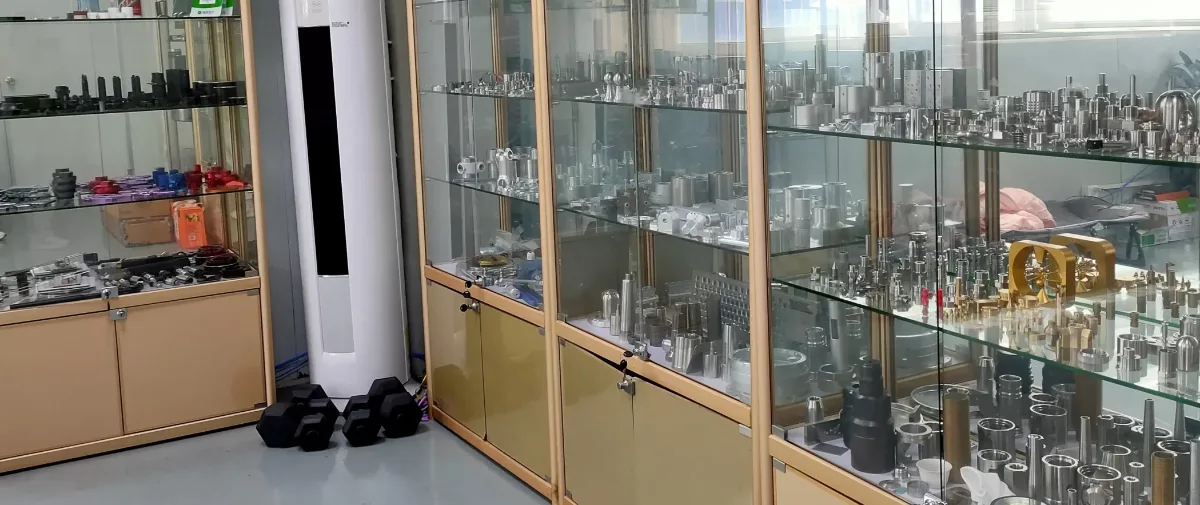
The metals, and what each one is really for
Machinability below is relative to 6061 aluminium, which is the easiest common metal to cut and the yardstick the shop floor uses.
| Metal | Typical grades | Best for | Machinability |
|---|---|---|---|
| Aluminium | 6061-T6, 7075-T6, 5052, 2024, 6063 | Housings, brackets, plates, manifolds, anything where weight and cost matter | Excellent — the reference |
| Stainless steel | 303, 304 / 304L, 316 / 316L, 17-4 PH, 416, 440C | Corrosion resistance in water, chemicals, food and medical service | Moderate to slow |
| Titanium | Ti-6Al-4V, Grade 23 ELI, CP Grade 2 | Strength-to-weight, biocompatibility, sea water, knife and EDC hardware | Difficult |
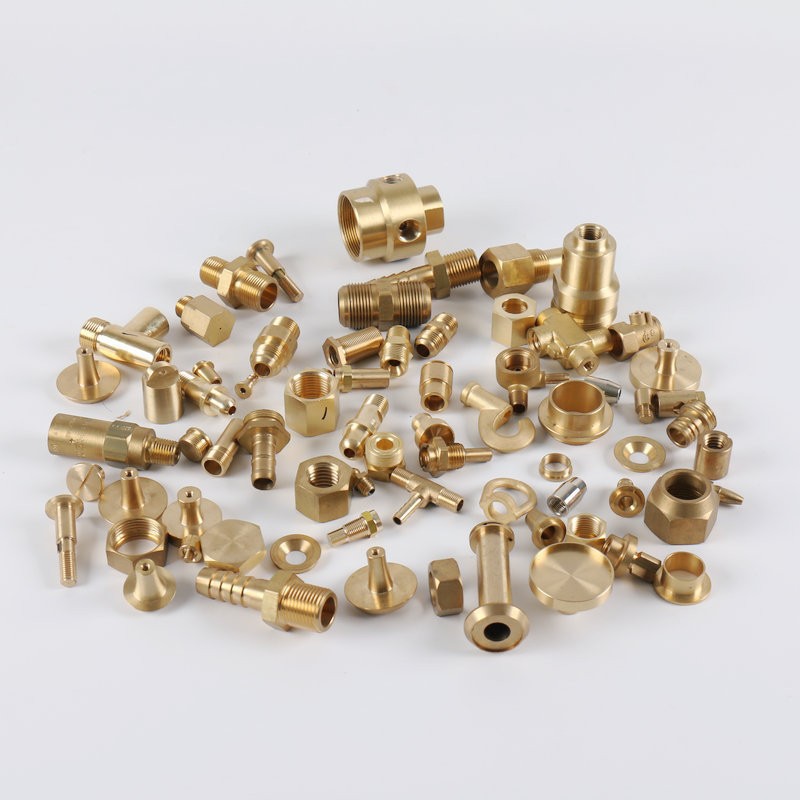
| Brass and bronze | C360, C260, C464 naval, C932 bearing bronze | Fittings, valve bodies, electrical and decorative hardware, bushings | The best of any metal |
| Copper | C110 ETP, C101 oxygen-free, C145 tellurium | Electrical and thermal conduction, EDM electrodes | Poor for C110, good for C145 |
| Carbon steel | 1018, 1045, A36 | Structural parts, shafts, plates, weldments | Good |
| Alloy steel | 4140, 4340 | Shafts, tooling, parts that need toughness | Moderate; slower when supplied pre-hardened |
| Tool steel | A2, D2, O1, S7 | Punches, dies, wear parts, fixture components | Hard — usually machined soft, hardened, then ground or wire cut |
| Cast iron | Grey iron, and compacted graphite iron on request | Damping, wear surfaces, machine components | Good, but dusty — needs its own setup discipline |
The three things that actually change a metal part’s price
How fast the metal cuts. 6061 cuts several times faster than 316L and titanium slower again. On one prototype this disappears into the setup; on five hundred pieces it is one of the biggest numbers in the quote.
How hard the grade is when it arrives. Pre-hardened alloy steel and heat-treated tool steel take longer per pass and wear tooling faster. Where possible, parts are machined soft and hardened afterwards — which is also why wire EDM exists for the features that must be cut after heat treatment.
What it does when you let go of it. Rolled plate carries internal stress that releases as material is removed, and thin sections deflect under the cutter. Both are material behaviour rather than machine capability, and both are planned for rather than fixed afterwards. Why thin parts bend →
| At a glance | |
|---|---|
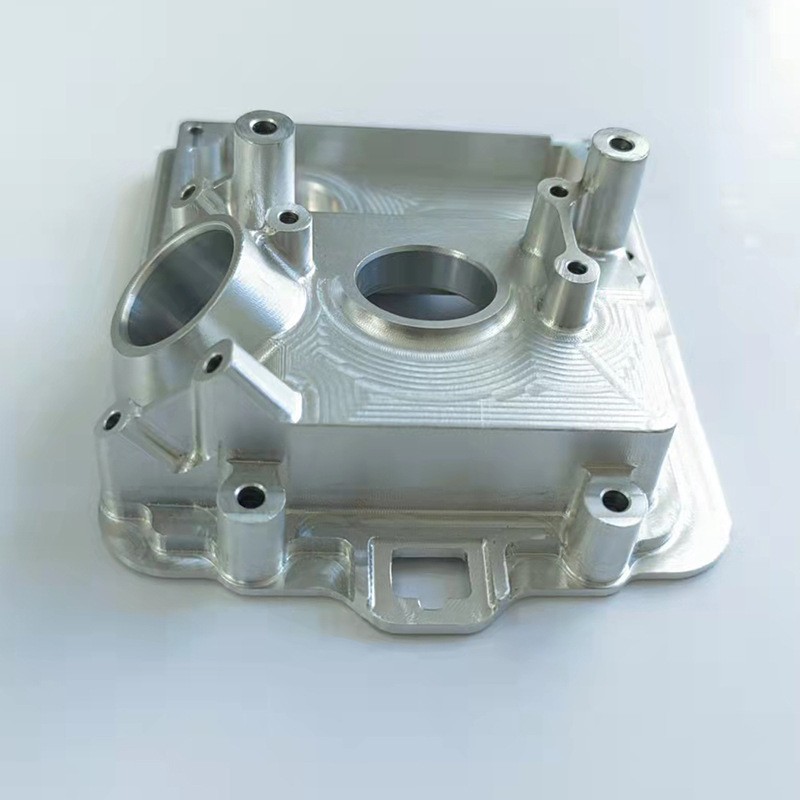
| Routine tolerance | ±0.002 mm (±0.0001 in) on machined features |
| Tighter features | Quoted individually — tell us which dimensions are functional |
| Material certificates | EN 10204 3.1 on request; incoming material is checked against the certificate |
| Stock grades | Common grades and sections are quick; unusual grades are bought in and that is lead time |
Four habits that get you a better metal part
Say which grades you can accept
“6061 preferred, 6082 acceptable” on the enquiry can remove the whole material-procurement block from the lead time. More on lead time →
Question a grade chosen for looks
If the drawing says stainless because the part should look premium rather than because it lives in water, anodised aluminium usually looks better and costs far less to cut.
Decide heat treatment and finishing order early
Machine soft, harden, then grind or wire cut. Or machine, then plate and allow for the thickness. Either works — what does not work is deciding after the first article.
Send the tolerances you actually need, not the ones on the template
A general tolerance of ±0.002 mm across a whole drawing is the most expensive line on it, and on most parts only two or three features need it. Loosen the rest and the price comes down without anything being lost.
Finishes that work on metals
Which finishes are available depends entirely on the metal: anodising is an aluminium process, passivation a stainless one, black oxide a steel one.
Decide the finish before the first article, not after
Every coating has a thickness, and some of it grows outward from the surface you machined. Hard anodising and plating move a fit; powder coating fills a small radius; tumbling rounds an edge. If the finish is chosen after the first part is measured, either the part or the finish has to change. Put it on the drawing and the machining allows for it.
| Metal | Usual finishes | Not available on it |
|---|---|---|
| Aluminium | Anodising, hard anodising, bead blast, brushing, powder coating, chromate | Passivation, black oxide |
| Stainless steel | Passivation, bead blast, brushing, polishing, electropolishing | Anodising |
| Carbon and alloy steel | Black oxide, zinc or nickel plating, powder coating, phosphate | Anodising. Bare steel rusts, so it always needs something |
| Brass | Passivation, clear lacquer, polishing, nickel or chrome plating | Anodising |
| Copper | Tin, silver or nickel plating, lacquer, anti-tarnish | Anodising |
| Titanium | Colour anodising, bead blast, brushing, stonewash | Dyed anodising — the colour comes from the oxide, not from dye |
Anodising, plating, powder coating and passivation are done at partner plants we have used for years. The parts come back here and are checked before they ship. All finishes →
Ready for a quote?
Send the drawing — price and lead time within 16 hours. STEP, IGES, X_T, DWG, DXF or PDF.
No minimum order.