
Buff Polishing and Mirror Finishes
Polishing is the brightest finish we supply and the least repeatable, because it is done by hand against a wheel. On the right part it looks superb. On a part with crisp edges and tight geometry it quietly destroys the thing you machined, because the same wheel that brings up the shine also rounds every corner it touches.
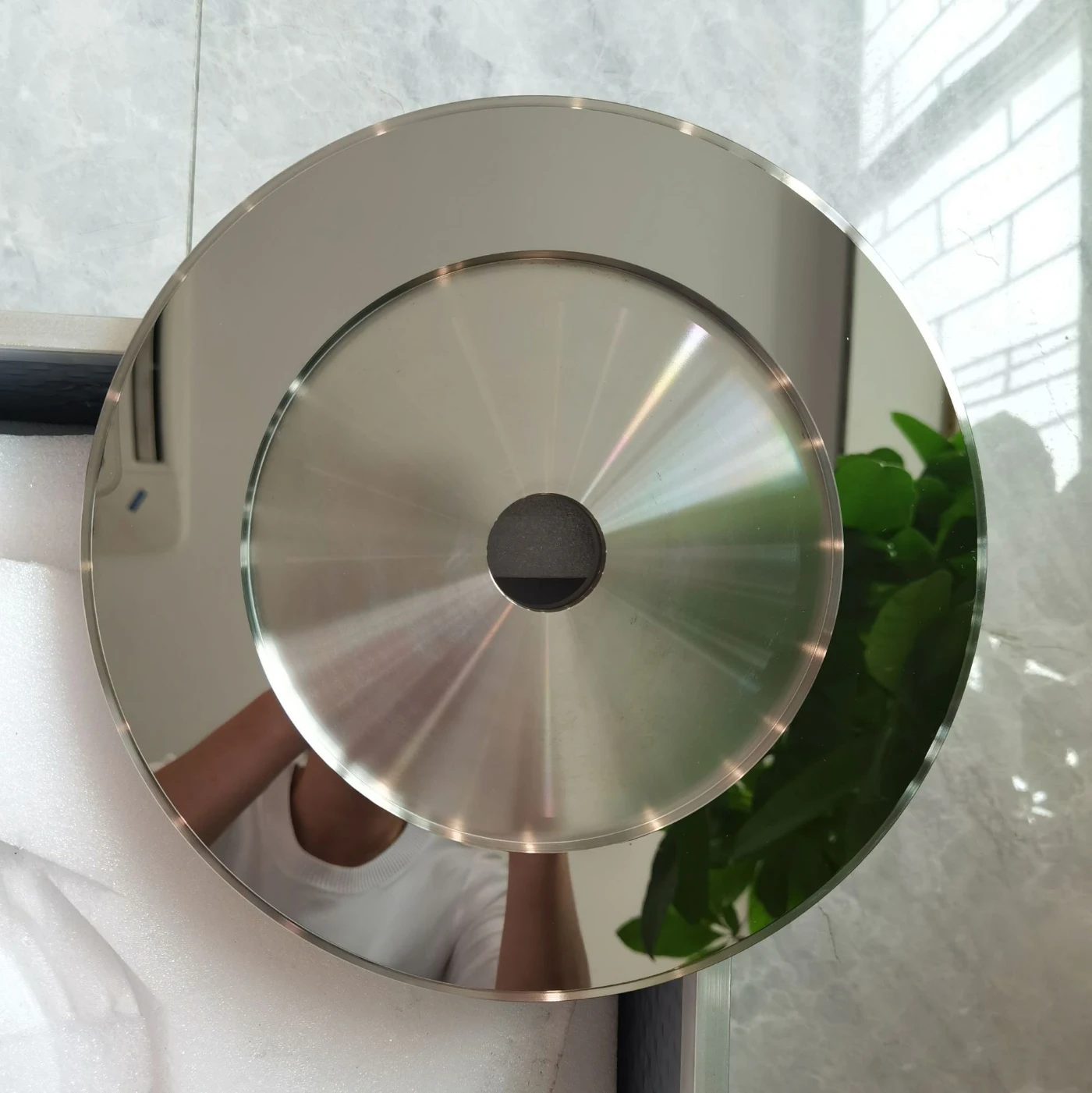
Successively finer abrasives, then a wheel
The surface is worked through progressively finer abrasives and then buffed with a compound on a cloth wheel until it reflects. Real material comes off — more than any other finish on this site except heavy machining — and it comes off unevenly, because the pressure is applied by a person.
That is the trade. You get a near-mirror surface that no coating can imitate, and you give up edge definition, flatness on large faces, and batch-to-batch consistency. Two polished parts from the same drawing will not be identical under close inspection, and a polished part is difficult to re-make identically a year later.
Polishing is often a preparation step for plating. A bright chrome or nickel part is bright because the metal underneath was polished first; plating does not hide anything, it copies what is beneath it.
| At a glance | |
|---|---|
| Process type | Manual mechanical abrasion and buffing |
| Materials | Stainless, brass, copper, aluminium |
| Effect on dimensions | Removes material and rounds edges — not for tightly toleranced features |
| Repeatability | The lowest of any finish here; it is skilled hand work |
| Often followed by | Nickel or chrome plating, or clear lacquer on brass |
| Typical parts | Trim, handles, decorative hardware, brass fittings, show parts |
“Polished” means two different finishes, and they do not cost the same
This is the single most common misunderstanding on a polished part. When a buyer writes “polished” on a drawing they usually mean one of two things, and the gap between them is hours of hand work per piece. We will always ask which one you want before we quote.
| Light polish | Mirror polish | |
|---|---|---|
| What it is | The surface is worked until the tool marks are gone and the finish is even and bright — but it does not reflect. Think of a clean, uniform sheen | Worked all the way through the finest compounds until the surface reflects like glass. This is the finish in the photo at the top of this page |
| What it is for | Parts that need to look finished and consistent, or that are going on to plating. Most “polished” parts we ship are this | Show parts, trim, brass fittings, anything a customer will pick up and look into. When the shine is the product |
| Hand work per piece | Modest | Several times more — this is where the cost lives |
| Edges and detail | Softened a little, but crisp features generally survive | Edges round noticeably. Sharp corners, fine engraving and tight radii will lose definition |
| Repeatability | Good; parts match each other closely | The hardest finish on this site to repeat. Batch-to-batch variation is real and we will say so up front |
| Before plating | Usually sufficient | Only needed if the plated part must be a true mirror |
| Cost | The lower of the two by a wide margin | Priced per piece by the hour, not by a rate card |
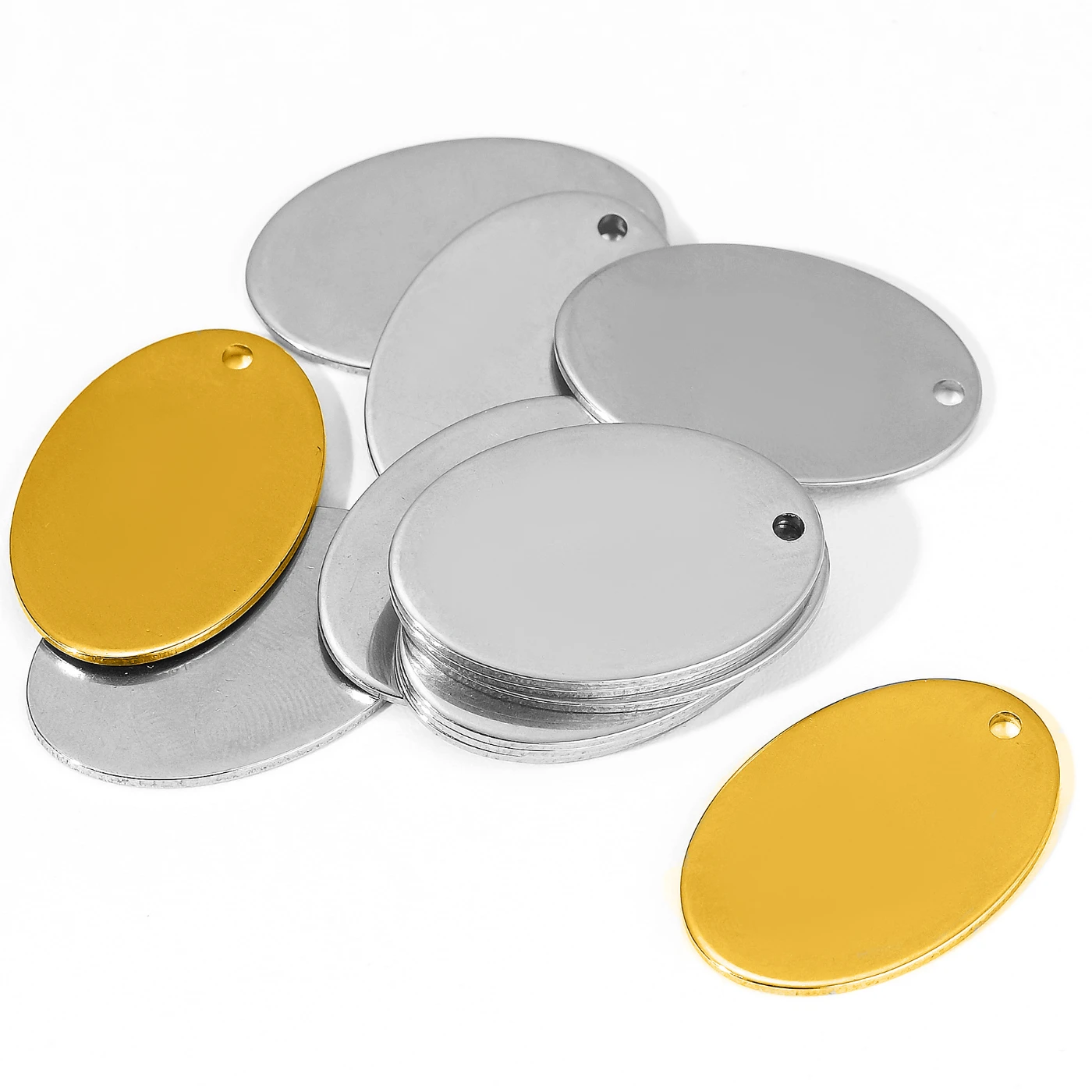
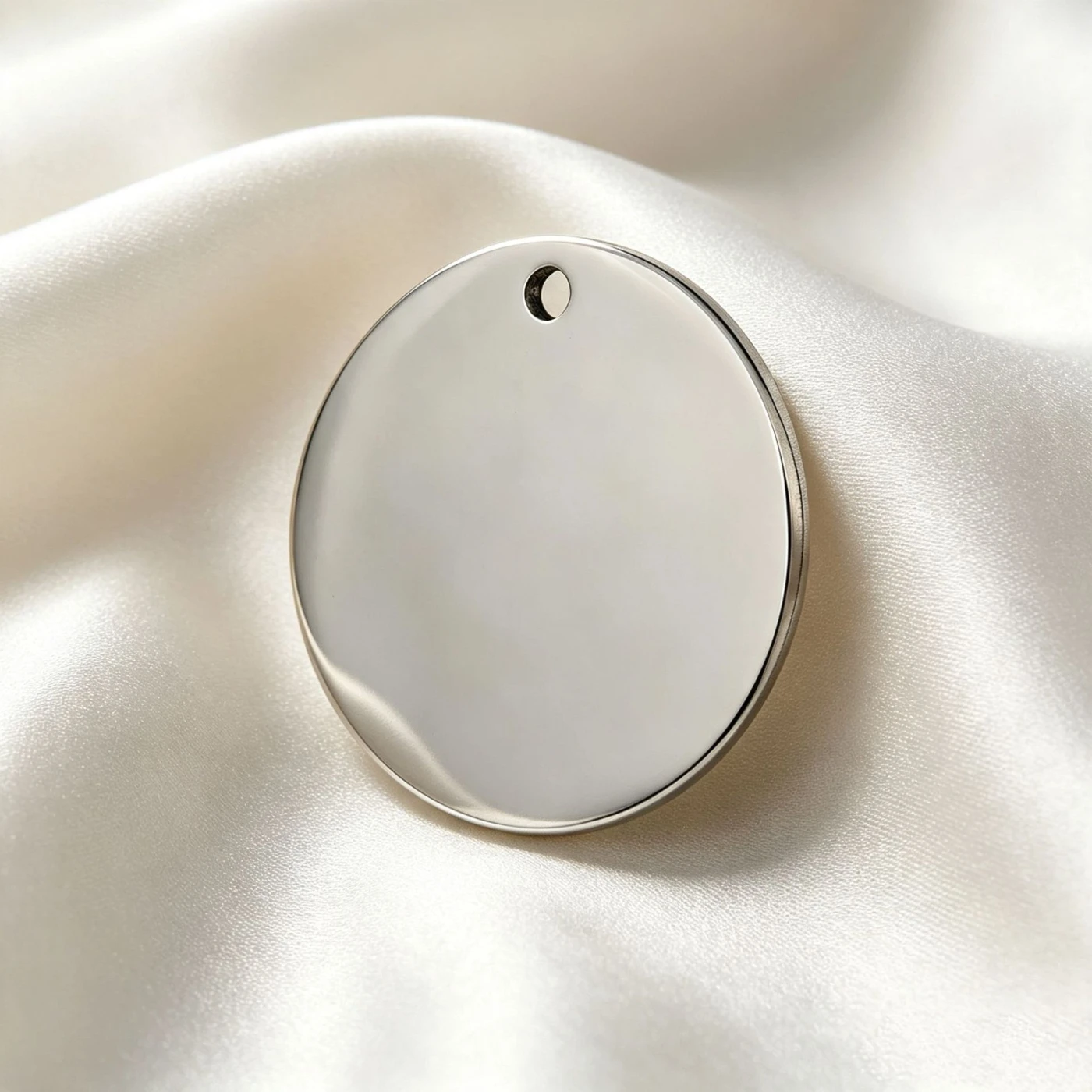
If you are not sure which one your part needs, send a physical sample of the shine you are after, or a photo of a part you like. Words like “bright”, “high polish” and “mirror” mean different things to different people — a sample settles it in one exchange instead of three.
When it is the right finish, and when it is not
Choose it when
- —Appearance is the main function of the part
- —A bright plated finish is planned and needs a bright substrate
- —The geometry is simple, with generous radii
- —Small quantities where hand work is affordable
Choose something else when
- —Sharp edges, crisp chamfers or fine engraving must survive
- —Flatness is called out on a large face
- —You need every piece in a large batch to look identical
- —The part will be blasted or matt anodised anyway
What we need on the drawing
Polishing needs less on the drawing than most finishes and more conversation.
Which faces, and which of the two levels
Name the faces, then say light polish or mirror — the two are priced very differently. The difference, side by side → A physical sample beats any wording, because the language is subjective.
Which edges must stay sharp
If a chamfer or an edge is functional, mark it. The default assumption on a polished part is that edges get softened.
Whether plating follows
If the part is being polished as a base for plating, say so — the polishing level needed is different from a part that stays bare, and polishing too far before plating is wasted money.
Which dimensions still have to hold afterwards
Polishing takes material off, and it takes more off where the wheel sits longest. If a bore, a mating face or a wall thickness has to stay in tolerance on the finished part, mark it and we will machine it to land at size after polishing — or mask it and leave it as machined.
Send the part and a sample of the shine you want
Send the drawing with the finish you have in mind, or with none at all and a sentence about where the part lives. You get a price, a lead time, and a note on anything in the finish that will fight your tolerances.